
电动汽车产业链合作

Search documents
中欧电动汽车反补贴案,突破性进展
21世纪经济报道· 2026-01-15 12:10
Core Viewpoint - The negotiations regarding the EU's anti-subsidy measures on Chinese electric vehicles have made significant progress, with the EU set to issue guidelines for price commitment applications, allowing Chinese manufacturers to potentially avoid high tariffs by committing to minimum pricing [1][3]. Group 1: Background and Developments - The EU initiated an anti-subsidy investigation into Chinese electric vehicles in October 2023, leading to the imposition of high tariffs starting October 2024, with rates as high as 35.3% for non-cooperating companies [3]. - The recent agreement allows Chinese electric vehicle manufacturers to submit price commitments based on the EU's guidelines, which could replace the anti-subsidy tariffs [3][4]. - The agreement is seen as a "soft landing" for the ongoing trade tensions, with experts noting that it reflects a cooperative outcome between China and the EU [1][4]. Group 2: Market Implications - The new pricing commitments may not significantly alter the selling prices of Chinese electric vehicles in Europe, but they provide a more stable policy environment for long-term operations [4]. - The average selling price of Chinese electric vehicles in Europe is projected to be around €25,000 by 2025, compared to €30,000 for all imported electric vehicles [4]. - Chinese manufacturers have been facing an average price increase of 118% when selling vehicles in Europe compared to domestic prices, but the new agreement could allow for better profit margins [5]. Group 3: Industry Dynamics - The EU's policy aims to prevent aggressive price competition from Chinese manufacturers that could harm local automotive industries, while still allowing for a degree of flexibility in pricing [4][5]. - European automakers, such as Volkswagen and BMW, are expected to benefit from the revised tariff policies, as they have established production facilities in China and can leverage these changes for exports [6][12]. - The collaboration between Chinese and European automakers is anticipated to deepen, with joint ventures and investments in technology and production facilities becoming more common [13].



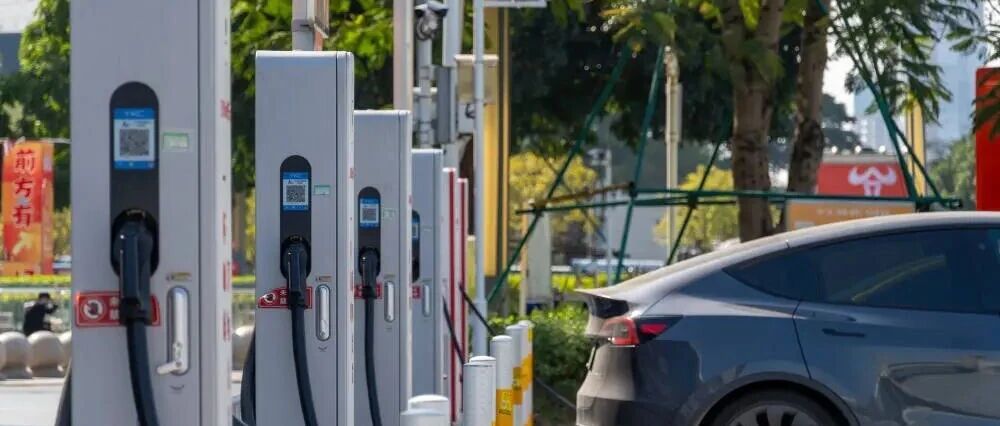
价格承诺替代高额关税,中欧车企受益几何?
2 1 Shi Ji Jing Ji Bao Dao· 2026-01-14 12:21
Core Viewpoint - The negotiations regarding the EU's anti-subsidy measures on Chinese electric vehicles have made significant progress, with the EU set to issue guidelines for price commitment applications, allowing Chinese manufacturers to potentially avoid high tariffs by committing to minimum pricing [1][2]. Group 1: Negotiation Progress - The EU will release guidelines for Chinese electric vehicle manufacturers to submit price commitment applications, which could exempt them from anti-subsidy tariffs [1][2]. - The EU's anti-subsidy investigation began in October 2023, with high tariffs set to be imposed in October 2024, but recent negotiations have led to a more favorable outcome for Chinese manufacturers [1][2]. Group 2: Tariff Implications - Chinese electric vehicle manufacturers faced tariffs ranging from 17.0% to 35.3%, with an overall import tax potentially reaching 45.3% when combined with the EU's 10% import duty [2]. - The new agreement allows manufacturers to replace these tariffs with price commitments, which could enhance profit margins and provide a more stable market environment for expansion in Europe [2][3]. Group 3: Market Dynamics - Despite the new pricing commitments, experts believe that the retail prices of Chinese electric vehicles in Europe will not significantly change, maintaining a high price point compared to domestic sales [3]. - The average selling price of Chinese electric vehicles in Europe is estimated to be around €25,000, while the average for all imported electric vehicles is approximately €30,000, indicating a substantial markup for Chinese models [4]. Group 4: Competitive Landscape - Chinese brands like BYD and SAIC have seen significant growth in the EU market, with BYD's registrations increasing by 240% year-on-year, while other brands like Xpeng and Leap Motor have also reported explosive growth [8]. - In contrast, Tesla's market share in the EU has declined, highlighting the increasing competitiveness of Chinese electric vehicles in the region [8]. Group 5: Industry Collaboration - The new agreement is expected to foster deeper collaboration between European and Chinese automakers, with European companies looking to China for battery and smart technology advancements [9][10]. - Recent investments, such as CATL's joint battery factory with Stellantis in Spain and BYD's new factory in Hungary, indicate a trend towards closer ties and shared technological development between the two regions [10].