小鹏G6

Search documents
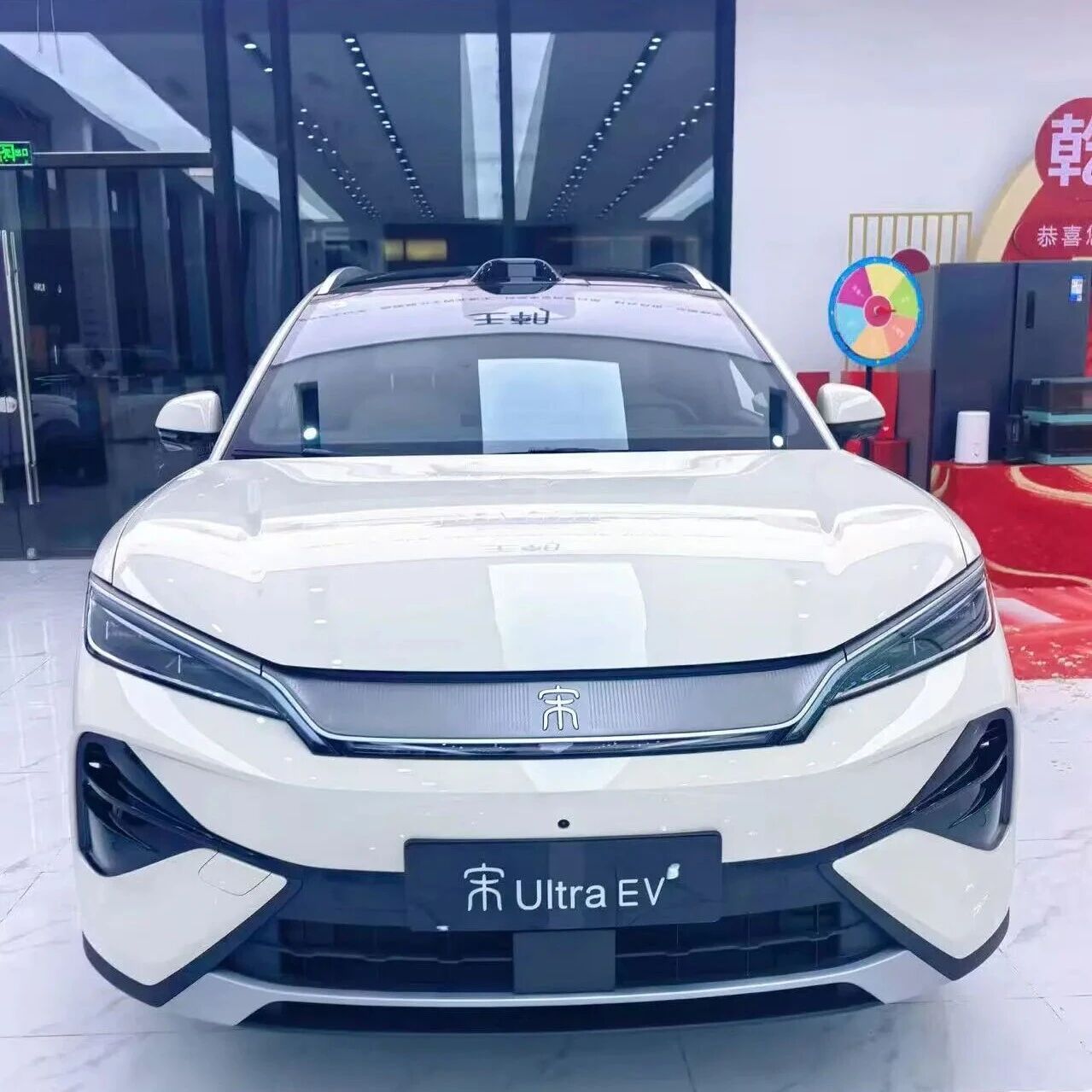
宋Ultra EV 72小时新车上市一线快报
车fans· 2026-03-30 01:05
Order Situation - New orders per store: 15 units [1] - Store visit ratio: 35% [1] - Increase in store visits: 40% [3] - The listing price meets customer expectations, with overall stable order growth and large-scale deliveries starting in April [5] - High order ratio for pure electric vehicles in first- and second-tier cities, with fast charging significantly boosting interest in the Song Ultra model [5] Customer Profile - Age range: 35 to 45 years [6] - Male ratio: 70% [4] - Replacement and upgrade ratio: 70% [6] - Typical customers are families with children, having sufficient budgets, seeking family transportation, valuing aesthetics, and focusing on second-generation batteries and fast charging [6] Configuration Choices - "Heavenly Eye B" optional rate: 45% [6] - Preference for versions: 75% choose the "Surpassing" version, 25% choose the "Excellence" version [8] - Range preference: 70% choose the 710KM version, 30% choose the 605KM version [8] - Color preferences: Main selling colors are Smoke Purple, Snow Mountain White, and Galaxy Rice, with a relatively even distribution [9] Competitor Comparison - Among 10 comparisons, 5 are against the Hai Si 06 EV, 1 against the XPeng G6, 1 against the Leap C11, 1 against the Deep Blue S7, and 1 against the Tesla Model Y [10] - Comparisons focus on pure electric models, primarily within the same brand, considering local ownership levels, while other brands show significant dispersion and price variation across different regions [12]


港股有好几个炸裂的消息
表舅是养基大户· 2026-03-25 13:33
Group 1 - The core viewpoint of the article discusses the unexpected surge in stock prices of major food delivery companies like Meituan, Alibaba, and JD after a government article suggested the end of the "food delivery war," which has negatively impacted market prices and CPI [1][3][4] - The article highlights the unusual timing of the market reaction, noting that the stock prices only began to rise after the article gained traction, despite being published earlier in the day [5][6] - The author believes that the article's impact is overstated, as regulatory measures regarding the food delivery industry have been ongoing since last year, and the competition will continue in a more regulated manner rather than coming to an end [8] Group 2 - Pop Mart's stock experienced a significant drop of 22.5% on the day of its earnings report, marking its largest single-day decline and turnover rate in three years [12][14] - The decline occurred in two phases: an initial drop of 15% after opening, followed by a further decline post-earnings call, attributed to lower-than-expected revenue and concerns over the company's reliance on a single IP, Labubu, which constitutes over 38% of total revenue [11][16][17] - The earnings call revealed a pessimistic outlook for future growth, with management indicating that the company has moved past its high-growth phase, which further contributed to the stock's decline [18] Group 3 - Xiaomi's stock initially fell 3.5% after its earnings report but rebounded due to the positive sentiment from the food delivery industry news, ultimately closing down only 0.5% [22] - The decline in Xiaomi's profits was primarily driven by a 30% drop in operating profit in Q4, largely due to challenges in its smartphone business, although its automotive segment has shown promise [22] - Li Auto's stock rose over 4% following a $1 billion share buyback announcement, reflecting its strategic response to competitive pressures in the new energy vehicle market [23][25] Group 4 - The article discusses the competitive landscape among new energy vehicle manufacturers, highlighting the challenges faced by Li Auto compared to its rivals NIO and Xpeng, particularly in terms of market positioning and product offerings [26][28] - Li Auto's strategy of focusing on family-oriented vehicles has become less effective due to increased competition in the SUV and MPV markets, and regulatory changes favoring pure electric vehicles have complicated its growth prospects [27][30] - The article suggests that the future of Li Auto may be uncertain, as it struggles to keep pace with competitors who have successfully launched popular models [29][30]

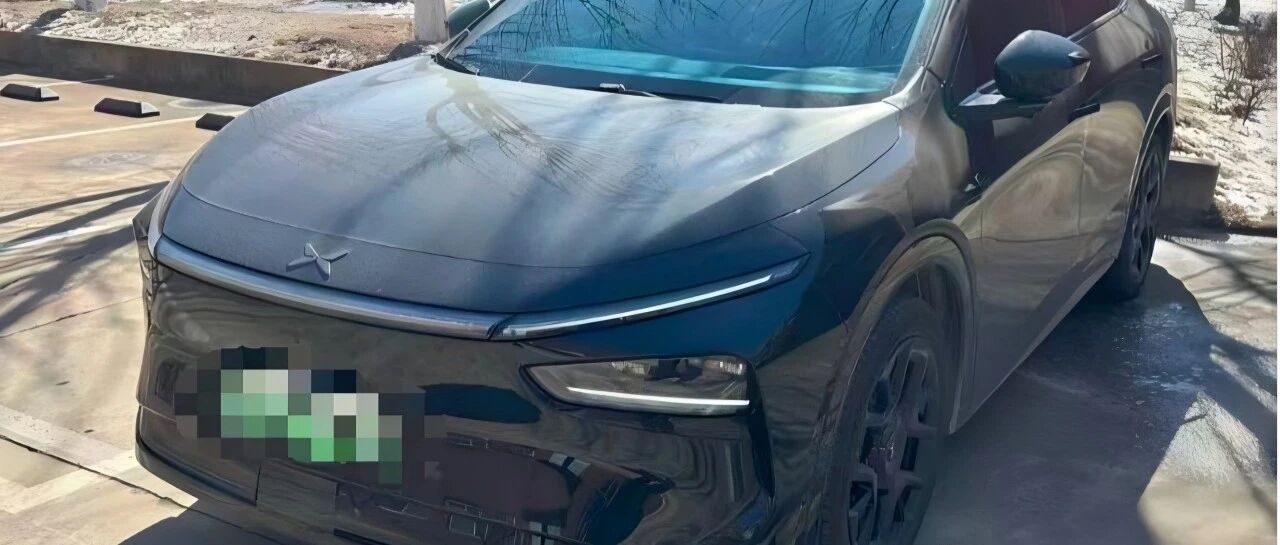
小鹏G7车主分享:东北最南端挑战纯电,纠结是否氪金上更高阶智驾
车fans· 2026-03-22 05:26
Core Viewpoint - The article discusses the purchase experience and user feedback of the 2026 model Xpeng G7 602 Pure Electric MAX version, highlighting the decision-making process, comparisons with competitors, and overall satisfaction with the vehicle [1][3][16]. Purchase Details - The vehicle was purchased for a total of ¥188,000 after discounts, with a financing plan resulting in a monthly payment of ¥2,630 [3]. - The original price was ¥201,800, with various discounts including a manufacturer discount of ¥8,000 and a scrapping subsidy of ¥20,000 [3]. Competitor Comparison - Initially, the buyer considered second-hand and joint venture electric vehicles, including a used Tesla Model Y, but concerns about battery life and company policies led to a shift towards domestic brands [6][9]. - The buyer evaluated several models, including NIO ES6, Zeekr 7X, and Xpeng G6, before ultimately choosing the G7 due to its driving experience and features [7][9]. Purchase Experience - The purchase was made at a newly established Xpeng dealership in Dalian, which previously operated as a Volvo dealership [11]. - The negotiation process involved multiple discussions with sales representatives, particularly regarding the scrapping subsidy, but the delivery experience was reported as smooth [12]. Vehicle Performance and User Experience - After one month and 3,600 kilometers of use, the buyer noted that the Xpeng G7's autonomous driving features (XNGP 3.0) were conservative in extreme conditions, with hopes for improvements in future software updates [14]. - Charging speed was praised, with the ability to recharge from 30% to full in about 20 minutes at fast charging stations, alleviating range anxiety [14]. - The vehicle's noise insulation was criticized, particularly regarding tire noise, despite the use of Michelin tires [14][16]. Overall Satisfaction - The buyer expressed overall satisfaction with the G7, considering it a suitable second family vehicle, although improvements in intelligent driving capabilities were desired [16]. - The G7's pricing was highlighted as competitive compared to alternatives like the Tesla Model Y, which would require significantly higher investment for similar features [16].

中东局势扰动对中国汽车影响几何?
HTSC· 2026-03-11 02:45
Investment Rating - The report maintains an "Overweight" rating for the automotive industry [6] Core Insights - The overseas market has become a core path for growth for Chinese automotive companies, with short-term geopolitical disturbances like the US-Israel-Iran conflict potentially suppressing overall sales performance. The estimated impact on exports to the Middle East in 2026 is approximately 300,000 vehicles, leading to a downward adjustment of the 2026 passenger car export forecast to 6.5 million vehicles, reflecting a 10% year-on-year growth rate [2][10] - The rising oil price is expected to exert short-term pressure on domestic demand for traditional fuel vehicles, with projections indicating a decline in annual sales of 170,000 to 680,000 vehicles depending on oil price scenarios of $80 and $100 per barrel [3][19] - The energy efficiency advantage of new energy vehicles (NEVs) is expected to catalyze a substitution effect, with projections indicating that high oil prices could lead to a shift of 100,000 to 360,000 vehicle demand towards the NEV market [4][26] Summary by Sections Export Impact - In 2025, China's automotive exports to the Middle East reached 1.4 million vehicles, with the UAE and Saudi Arabia contributing over 60% of this total. The actual impact of geopolitical disturbances is estimated to be around 300,000 vehicles, leading to a revised export forecast of 6.5 million vehicles for 2026, which corresponds to a 10% year-on-year growth rate [2][10][26] Domestic Market Dynamics - The report forecasts that if oil prices stabilize at $80 and $100 per barrel, domestic fuel vehicle sales will decline by 170,000 and 680,000 vehicles respectively. In contrast, NEVs are expected to capture an additional demand of 0, 100,000, and 360,000 vehicles under these scenarios, leading to a total domestic passenger vehicle retail sales target of 22.1 million to 21.8 million vehicles for 2026, reflecting a year-on-year decline of 6% to 8% [5][19][26] Cost Analysis and TCO - Historical analysis indicates that for every 1% decrease in NEV prices, sales increase by approximately 1% to 1.3%. With rising oil prices, the total cost of ownership (TCO) for NEVs is expected to improve, leading to increased sales. Specifically, if oil prices rise to $80 and $100 per barrel, the effective price reduction for NEVs could lead to sales increases of 1.3% and 4.5% respectively [4][25][26]
问界M6竞品分析
数说新能源· 2026-03-09 03:03
Core Viewpoint - The article discusses the competitive landscape and market positioning of the AITO M6, highlighting its strengths and challenges in the 250,000 RMB segment of the smart SUV market [4][9]. Competitive Analysis - The AITO M6 is positioned against several key competitors in the 250,000 RMB market, including the Li Auto L6, Tesla Model Y, Xpeng G6, and NIO ES6 [2][3]. - The Li Auto L6 has established itself as a market leader with over 20,000 monthly sales for seven consecutive months and cumulative deliveries exceeding 100,000 units within five months of launch [2]. - The AITO M6 offers competitive advantages in pricing, performance, range, and intelligent driving features, but must leverage Huawei's brand and technology to penetrate the market effectively [2][3]. Market Opportunities - The AITO M6 benefits from deep integration of Huawei technology, which enhances its appeal as a "tech luxury" vehicle [5]. - The introduction of the M6 completes the AITO M series product matrix, covering a wide range of SUV price points from 200,000 to 600,000 RMB, thus enhancing internal brand synergy [5]. - The dual powertrain strategy (range-extended and pure electric) allows the M6 to cater to diverse consumer needs, maximizing its market reach [6]. - With an estimated price range of 238,800 to 280,000 RMB, the M6 is positioned to become a "value benchmark" in its segment due to its superior size, performance, and smart features [7]. Market Challenges - The market is expected to become increasingly competitive by 2026, with new entrants like Xiaomi's YU7 and various models from BYD, leading to intensified price and value competition [8]. - Establishing a clear and unique brand identity for AITO amidst the "Huawei ecosystem" and external competitors is a long-term challenge [8]. - Production capacity and delivery capabilities are critical; the success of the M6 will depend on the ability to deliver quickly and reliably, especially if it becomes a best-seller [8]. Conclusion and Outlook - The AITO M6 has significant potential to become a best-seller in the 250,000 RMB smart SUV market, contingent on translating Huawei's technological advantages into a superior user experience at a competitive price [9][10]. - The M6's product strength is evident across key dimensions such as size, power, range, and intelligence, with no apparent weaknesses [10]. - The M6's market positioning effectively fills a gap between the Li Auto L6 and Tesla Model Y, targeting a high-capacity price segment [11]. - Backed by Huawei and Seres, the AITO brand has gained market recognition and consumer trust, which could facilitate its success [12]. - If the M6 performs well, it could significantly impact the market dynamics, intensifying competition and pushing other brands to enhance their offerings [13][14].

小鹏的2026,没有Plan B
虎嗅APP· 2026-03-08 03:04
Core Viewpoint - Xiaopeng Motors is facing significant challenges in 2026, with fluctuating delivery volumes amid a market downturn and criticism of its L2-level autonomous driving technology, which the chairman describes as a "Frankenstein" solution. The company is urged to balance immediate consumer needs with long-term technological aspirations [2][3][10]. Market Conditions - The automotive market is experiencing a "淘汰赛" (elimination competition) phase, with consumer sentiment becoming increasingly conservative due to changes in subsidy policies and declining incentives for new energy vehicles. January 2026 saw a 13.9% year-on-year drop in retail sales, with February expected to hit a low point for the year [5][6]. - The shift from "增量竞争" (incremental competition) to "存量绞杀" (stock competition) indicates that maintaining monthly sales above 10,000 units is now a baseline requirement rather than a mark of success [6]. Xiaopeng's Performance - In February, Xiaopeng delivered 15,256 vehicles, significantly lower than competitors like Hongmeng Zhixing (28,212), Leap Motor (28,067), and Li Auto (26,421). NIO was the only company among the "蔚小理" trio to achieve a year-on-year growth of 57.6% [8]. - Despite a challenging sales environment, there are signs of recovery as interest in new models, such as the Xiaopeng X9, has increased following a recent technology launch [9]. Consumer Behavior - Consumers are increasingly focused on practical features rather than futuristic technologies. The market has shifted towards valuing immediate, tangible benefits over speculative advancements like flying cars or Robotaxis [10][20]. - A potential buyer expressed hesitation between Xiaopeng and Li Auto, highlighting the importance of practical features like in-car refrigerators for families, which Xiaopeng currently lacks in its SUV offerings [9]. Strategic Adjustments - Xiaopeng is responding to market pressures by introducing financing options and launching new models, including the second-generation VLA and the new Xiaopeng X9 electric version. The company plans to release seven models with advanced range-extending capabilities in 2026 [19]. - The chairman emphasizes that all technology must enhance current product experiences, indicating a shift towards more market-driven strategies rather than purely technological aspirations [19][20]. Industry Reflection - Xiaopeng's struggles reflect broader trends in the Chinese smart electric vehicle industry, where the focus is shifting from rapid growth to meticulous market engagement. The company must learn to balance technological ideals with commercial realities to survive in a competitive landscape [20].

中国买爆全球汽车工厂
创业邦· 2026-03-06 10:32
Core Viewpoint - The global automotive industry is undergoing significant capacity reduction, with major traditional automakers closing factories and cutting production, while Chinese automakers are seizing the opportunity to expand and localize their operations globally [5][10][20]. Group 1: Factory Closures and Capacity Reduction - Nissan plans to close 7 out of 17 global manufacturing plants, aiming to cut excess capacity by approximately 2.5 to 3 million vehicles by the fiscal year ending March 31, 2028 [5]. - Volkswagen announced the closure of at least 3 factories in Germany by the end of 2024, but later abandoned the complete shutdown plan, seeking alternative uses for two of the factories [5]. - Stellantis will close the historic Vauxhall commercial vehicle plant in Luton, UK, and has already reduced North American vehicle shipments by 23% in the first half of 2025 [7][9]. - General Motors has permanently ceased production of BrightDrop electric delivery vans at its Ingersoll CAMI plant and has reduced shifts at its Oshawa plant, affecting around 500 employees [7][9]. - Ford plans to close its Saarlouis plant in Germany by 2032, while Mercedes-Benz has already shut down factories in Brazil, France, and Russia [9]. Group 2: Capacity Utilization Trends - The automotive capacity utilization rate in the U.S. is fluctuating between 60% and 70%, with the automotive and light vehicle sector at approximately 65% [12][16]. - In Canada, the automotive assembly volume is projected to drop from 2.3 million units in 2016 to 1.2 million units by 2025, with the manufacturing capacity utilization rate declining from 80.4% to 78.7% [16]. - The European automotive industry is facing severe overcapacity, with an average utilization rate of only 55% in 2025, necessitating the closure of 8 factories to achieve sustainable capacity levels [19]. Group 3: Opportunities for Chinese Automakers - Chinese automakers are capitalizing on the global capacity reduction by acquiring idle factories and leveraging existing industrial assets for localized growth [10][20]. - In 2025, China's automotive exports reached 7.098 million units, a year-on-year increase of 21.1%, maintaining the top position globally for three consecutive years [22]. - Chinese brands have gained significant market share in Mexico and Europe, with nearly 20% in Mexico and 9.5% in Europe by December 2025 [22]. Group 4: Strategies for Localization - Chinese automakers are employing various strategies such as acquisitions, joint ventures, contract manufacturing, and greenfield investments to establish localized production [25][41]. - Acquisitions of idle factories allow Chinese companies to bypass lengthy approval processes and reduce localization timelines [26][30]. - Joint ventures have proven effective for Chinese automakers to adapt to local markets, as seen with Chery's partnership in Brazil [31][32]. Group 5: Global Perception and Cooperation - There is a shift in perception among foreign governments, viewing Chinese automakers as partners that can revitalize local manufacturing and create jobs [42][45]. - Collaborative efforts between Chinese automakers and local governments are increasingly focused on technology transfer and local workforce training [42][45]. - Countries like the UK and Canada are actively seeking partnerships with Chinese automakers to boost local production and employment [45][49].


【联合发布】一周新车快讯(2026年2月28日-3月6日)
乘联分会· 2026-03-06 08:49
Core Viewpoint - The article provides an overview of new vehicle models set to be launched in 2026, detailing specifications, market segments, and pricing strategies for various manufacturers in the automotive industry. Group 1: New Vehicle Launches - Dongfeng Liuzhou's Fengxing Xinghai T5 is an A SUV set to launch on February 28, 2026, with a price range of 153,900 to 161,900 CNY and a pure electric range of 530 km [9]. - Xpeng Motors' X9, a C MPV, will be available from March 2, 2026, with prices ranging from 309,800 to 369,800 CNY and a maximum range of 750 km [17]. - GAC Aion's Aion i60, another A SUV, is scheduled for release on March 2, 2026, priced at 102,800 CNY, featuring a 1.5L range extender engine [25]. - SAIC Volkswagen's Volkswagen Teramont Pro, a C SUV, will launch on March 3, 2026, with a price of 344,900 CNY [33]. - Changan Automobile's Qiyuan A06, a C NB, will also be released on March 3, 2026, priced at 139,900 CNY [41]. Group 2: Specifications and Features - The Fengxing Xinghai T5 features a pure electric powertrain with a power output of 120 kW and torque of 240 N·m, with a battery capacity of 64.4 kWh [9]. - The Xpeng X9 offers multiple configurations with power outputs ranging from 235 kW to 370 kW, and a battery capacity of 94.8 kWh [17]. - The Aion i60 has a power output of 74 kW from its engine and 180 kW from its electric motor, with a battery capacity of 29.165 kWh [25]. - The Teramont Pro is equipped with a 2.0T engine producing 200 kW and 400 N·m of torque [33]. - The Qiyuan A06 features a 1.5L range extender engine with a power output of 72 kW and an electric motor output of 120 kW [41]. Group 3: Market Segmentation and Pricing - The article categorizes the new models into various segments, including A SUVs, C MPVs, and B SUVs, indicating a diverse market strategy [9][17][25][33][41]. - Pricing strategies vary significantly, with models like the Aion i60 positioned as more affordable options at 102,800 CNY, while luxury models like the BMW X5 are priced at 688,000 CNY [25][62]. - The introduction of multiple configurations for models like the Xpeng X9 allows for a broader appeal across different consumer segments [17].


倒闭大甩卖,中国买爆全球汽车工厂
汽车商业评论· 2026-03-05 23:04
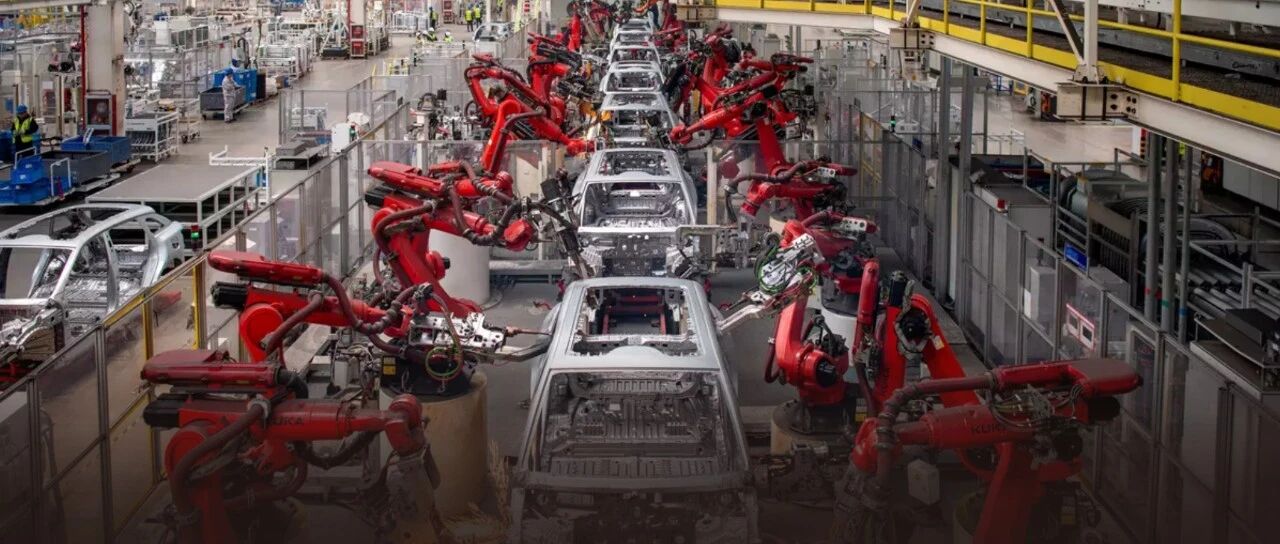
Core Viewpoint - The article discusses the significant restructuring and capacity reduction occurring within major international automotive manufacturers, contrasting this with the rapid expansion of Chinese automotive companies that are seizing opportunities from the global capacity crisis [4][16]. Group 1: Capacity Reductions by Major Automakers - Nissan plans to close 7 out of 17 global manufacturing plants, aiming to cut excess capacity by approximately 2.5 to 3 million vehicles by the fiscal year ending March 31, 2028 [6]. - Volkswagen Group announced plans to close at least 3 factories in Germany by the end of 2024, but later abandoned the complete closure strategy, seeking alternative uses for some facilities [7]. - Stellantis has announced the closure of its historic Vauxhall commercial vehicle plant in Luton, UK, and has temporarily shut down its Windsor assembly plant in Ontario, Canada, affecting 5,400 workers [11]. - General Motors has permanently ceased production of BrightDrop electric delivery vans at its Ingersoll CAMI plant and has reduced shifts at its Oshawa plant, impacting around 500 employees [11][14]. - Ford plans to close its Saarlouis plant in Germany by 2032, while Mercedes-Benz has already closed factories in Brazil, France, and Russia [15]. Group 2: Capacity Utilization Trends - In the U.S., automotive and parts capacity utilization rates have fluctuated between 60% and 70% in 2025, with light vehicle production slightly lower at around 65% [17]. - Canada’s automotive assembly volume is projected to drop from 2.3 million units in 2016 to 1.2 million by 2025, with the capacity utilization rate in the transportation equipment manufacturing sector declining by 6.4% [21]. - In Mexico, the automotive industry capacity utilization rate was 88.1% in July 2025, but historical data shows it previously peaked at 98.7% in 2023, indicating unutilized capacity [23]. - Europe faces a severe capacity underutilization issue, with an average utilization rate of only 55% in 2025, necessitating the closure of 8 factories to achieve sustainable capacity levels [25][26]. Group 3: Strategic Opportunities for Chinese Automakers - Chinese automakers are rapidly expanding their global market presence, with exports reaching 7.098 million vehicles in 2025, a 21.1% increase year-on-year, making them the world's largest exporter for three consecutive years [33]. - In Mexico, Chinese brands have grown from negligible presence in 2018 to nearly 20% market share, while in Europe, they captured 9.5% of the market by December 2025, surpassing Korean competitors [34]. - The article highlights that Chinese companies are strategically acquiring idle production assets from traditional automakers, turning the capacity crisis into an opportunity for localized growth [16][35]. Group 4: Localization Strategies of Chinese Automakers - Chinese automakers are employing various strategies such as acquisitions, joint ventures, contract manufacturing, and greenfield investments to establish localized production [42]. - Notable examples include Chery's acquisition of the Nissan plant in South Africa and plans to produce a new high-end brand in Germany, which would mark a significant entry into the German automotive sector [50]. - The article emphasizes that the localization rate of Chinese brands overseas is currently around 30%, significantly lower than the over 80% rate of their Western counterparts, indicating a need for accelerated localization efforts [39][40]. Group 5: Challenges and Adaptations in Global Markets - Chinese automakers face challenges in adapting to local regulations and market conditions, often opting for joint ventures to leverage local expertise and reduce operational risks [51][59]. - The article notes that the shift in perception towards Chinese automakers as partners rather than mere competitors is growing, with local governments increasingly supportive of their investments [72][74]. - The complexities of entering developed markets like the U.S. and Europe require Chinese companies to navigate stringent regulations and local labor laws, often leading to innovative strategies such as contract manufacturing to mitigate risks [60][63].


新能源汽车景气度调研:比亚迪恢复最快
数说新能源· 2026-03-05 03:01
Core Viewpoint - The article discusses the current state of the automotive market, particularly focusing on the impact of government subsidy policies on electric vehicle sales and the recovery of various brands in the market. Group 1: Market Performance and Recovery - In January, the automotive market experienced a decline in production and sales due to the withdrawal of national policies, with a notable drop in sales of economic electric vehicles exceeding 30% [2] - By February, the implementation of subsidy policies, such as scrappage and trade-in incentives, helped to stimulate some consumer demand, although overall orders still saw a year-on-year decline of about 15% [2] - The recovery in the automotive market since February has shown improvement compared to last year, but there remains a gap compared to March sales from the previous year [3] Group 2: Brand-Specific Recovery - BYD's Dynasty and Ocean brands have shown a rapid recovery, aided by various promotional policies introduced in late February and early March [4] - Geely has supplemented its entry-level models with additional policies, but overall, BYD is recovering the fastest among competitors [5] - Leap Motor was one of the first brands to introduce significant policy changes, offering substantial discounts on its B-series models [6] Group 3: Consumer Preferences and Technology - Consumer interest in BYD's upcoming technology releases is high, which is expected to significantly impact the brand's market recovery [9] - The key competitive factors in technology are centered around electric motors, control systems, and batteries, with BYD's innovations likely to enhance consumer experience, especially for mid-range vehicles [10] - BYD plans to adopt a new battery technology that could increase energy density to over 200Wh/kg, potentially achieving a range of 1000 kilometers [11] Group 4: Market Dynamics and Pricing Strategies - The introduction of low or zero-interest financing options has had a stimulating effect on the market, particularly for vehicles priced above 200,000 yuan, although acceptance of long-term loans remains low [14] - The actual transaction prices for vehicles above 200,000 yuan have remained stable or slightly declined compared to last year, with sales of mid-range electric vehicles performing well [15] - The pricing strategies of manufacturers like SAIC and Volkswagen are shifting towards higher-priced models, encouraging dealers to focus on selling more premium products [18] Group 5: Inventory and Supply Chain - BYD's inventory levels for its Dynasty and Ocean series are relatively high, exceeding 2.5 months, while other brands like Geely have also seen significant inventory levels [13] - The overall inventory situation varies, with some electric vehicle brands experiencing low inventory levels, while traditional fuel vehicle brands have higher stock [13] Group 6: Future Outlook - Geely plans to focus on the deployment of 800V technology in lower-priced models and enhance its smart driving capabilities across its product range [12] - The automotive market is expected to continue evolving with a focus on improving product quality and avoiding price wars, emphasizing the importance of technological advancements and consumer preferences [19]