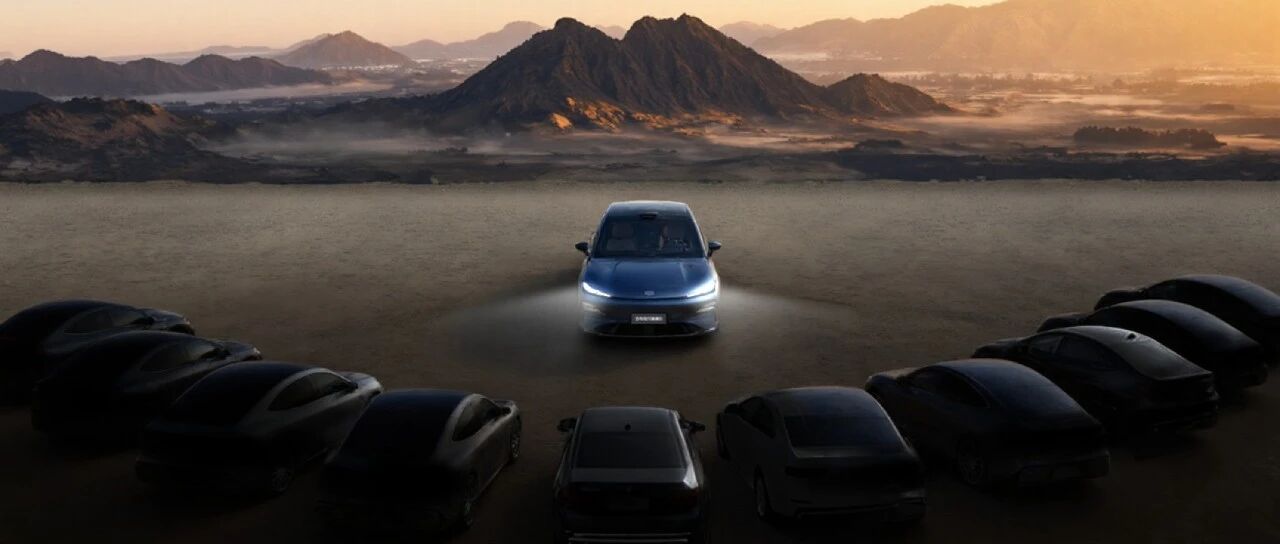
小鹏G9

Search documents
五年开了五次会,小鹏终于下场做增程
21世纪经济报道· 2026-03-26 07:29
Core Viewpoint - The article discusses the evolution of XPeng's strategy towards range-extended electric vehicles (REEVs), highlighting the internal debates and market dynamics that led to the eventual decision to develop the X9 model with a "super range extender" technology. The narrative emphasizes the importance of understanding user needs over merely pursuing advanced technology [6][11][26]. Group 1: Development Process - XPeng's journey towards launching the X9 REEV involved five internal meetings over five years, with initial resistance from the management team against adopting range-extending technology [6][9]. - The first proposal for developing range extension was made by CEO He Xiaopeng in 2019 but was rejected due to the prevailing belief that it was a backward technology [7][8]. - By 2022, the market for range-extended vehicles began to grow significantly, with a 116% increase in sales, indicating a shift in consumer demand [8][10]. Group 2: Market Dynamics - The article notes that in 2021, the sales of Li Auto's ONE model demonstrated the potential of the range-extended market, with monthly sales exceeding 13,000 units [7]. - XPeng's internal discussions revealed a split in opinion regarding the adoption of range extension, with market-oriented voices gaining traction as consumer preferences evolved [9][10]. - The competitive landscape intensified in 2024, with multiple brands launching their own REEVs, prompting XPeng to refine its strategy and product offerings [12][29]. Group 3: Technological Advancements - The development of the "mixed silicon carbide" technology was a key innovation that significantly reduced energy consumption in the new generation of range extenders, achieving a comprehensive range of 1,602 kilometers for the X9 [15][16]. - The article highlights the importance of integrating various subsystems to optimize efficiency, emphasizing that the success of the REEV system relies on a holistic understanding of the technology [16][17]. - XPeng's focus on energy efficiency is underscored by the G9 model's performance, which achieved a consumption rate of only 15.2 kWh per 100 km, outperforming competitors [13][14]. Group 4: User-Centric Approach - The shift towards developing the X9 REEV was driven by a deeper understanding of user needs, particularly in regions with challenging charging infrastructure [20][21]. - XPeng's product team conducted extensive market research to identify the specific requirements of consumers, leading to the inclusion of features like "ice and snow stability" and "tire blowout stability" [22][23]. - The company recognized the importance of adapting to user preferences, particularly among younger families, which influenced the pricing and positioning of the X9 model [24][25]. Group 5: Future Outlook - Despite the initial success of the X9 REEV, the article cautions that XPeng has not yet mastered all elements of automotive success, indicating ongoing challenges in the competitive landscape [26][28]. - The company plans to expand its REEV offerings with a strategy that includes multiple models, aiming to capture a broader market segment [26][28]. - The narrative concludes with a reminder that there is no "silver bullet" in the automotive industry, emphasizing the need for continuous learning and adaptation to market demands [27][30].


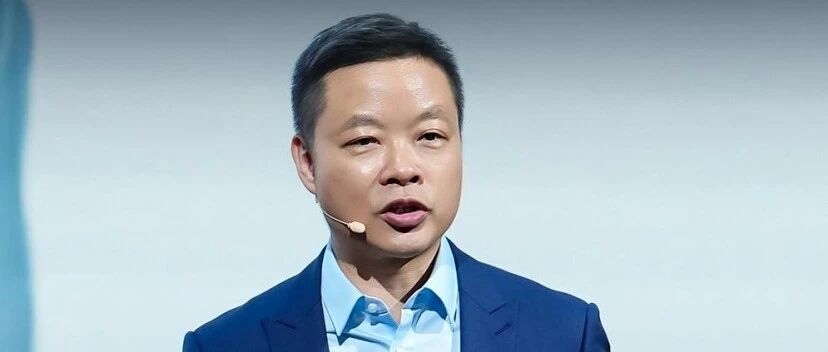
“蔚小理零”首次集体盈利背后
创业邦· 2026-03-25 10:44
Core Viewpoint - The article discusses the evolving landscape of China's electric vehicle (EV) market, highlighting the competitive dynamics among new car manufacturers, particularly Li Auto, NIO, Xpeng, and Leap Motor, as they navigate challenges and opportunities in the industry from 2023 to 2026 [6][7]. Group 1: Market Dynamics - In 2025, the four new car manufacturers collectively achieved profitability for the first time, marking a significant turning point in their survival paths [8]. - The competition intensified as these companies not only vied for market share among themselves but also faced challenges from traditional automakers and new entrants like Huawei and Xiaomi [8][9]. - Leap Motor emerged as a surprising contender, achieving monthly sales exceeding 70,000 units, positioning itself among the top tier of manufacturers [7]. Group 2: Sales Performance - In 2025, Li Auto's total deliveries fell to 406,000 units, a decline of 18.8% year-on-year, missing its target of 700,000 units [10][12]. - NIO's sales reached 326,000 units, a year-on-year increase of 46.9%, driven by the success of the ES8 model [13]. - Xpeng's sales surged to 429,000 units, a 126% increase, largely attributed to the launch of the MONA M03 model [14]. Group 3: Financial Performance - Li Auto's net profit for the year dropped to 1.14 billion yuan, a decrease of 85.8%, primarily supported by 1.92 billion yuan in interest income [18]. - NIO achieved its first-ever positive net profit of 720 million yuan in the fourth quarter, despite a total annual loss of 14.94 billion yuan [19]. - Leap Motor reported a net profit of 540 million yuan, a significant turnaround from a loss of 2.82 billion yuan the previous year [19]. Group 4: Strategic Shifts - Li Auto and Xpeng are focusing on AI and advanced driving technologies, aiming to evolve from traditional car manufacturers to intelligent mobility companies [8][21]. - NIO and Leap Motor continue to concentrate on vehicle sales, with NIO planning to expand its SUV lineup to five models by 2026 [19][20]. - The competitive landscape is expected to become more challenging in 2026, particularly with the reduction of subsidies for low-end models, impacting sales strategies [15][20].


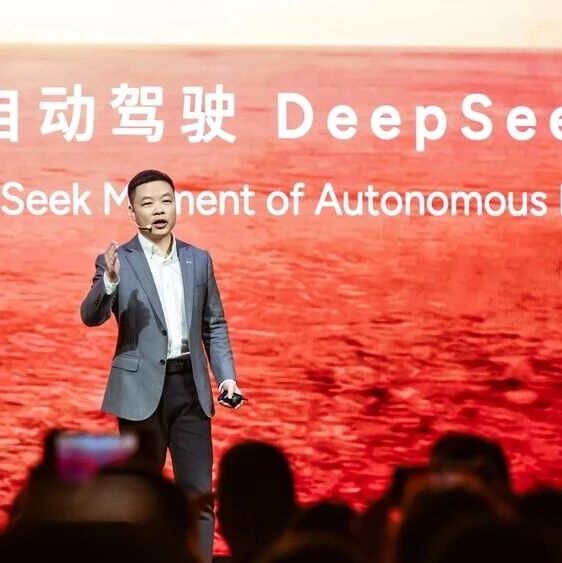
小鹏的2026,没有Plan B
虎嗅APP· 2026-03-08 03:04
Core Viewpoint - Xiaopeng Motors is facing significant challenges in 2026, with fluctuating delivery volumes amid a market downturn and criticism of its L2-level autonomous driving technology, which the chairman describes as a "Frankenstein" solution. The company is urged to balance immediate consumer needs with long-term technological aspirations [2][3][10]. Market Conditions - The automotive market is experiencing a "淘汰赛" (elimination competition) phase, with consumer sentiment becoming increasingly conservative due to changes in subsidy policies and declining incentives for new energy vehicles. January 2026 saw a 13.9% year-on-year drop in retail sales, with February expected to hit a low point for the year [5][6]. - The shift from "增量竞争" (incremental competition) to "存量绞杀" (stock competition) indicates that maintaining monthly sales above 10,000 units is now a baseline requirement rather than a mark of success [6]. Xiaopeng's Performance - In February, Xiaopeng delivered 15,256 vehicles, significantly lower than competitors like Hongmeng Zhixing (28,212), Leap Motor (28,067), and Li Auto (26,421). NIO was the only company among the "蔚小理" trio to achieve a year-on-year growth of 57.6% [8]. - Despite a challenging sales environment, there are signs of recovery as interest in new models, such as the Xiaopeng X9, has increased following a recent technology launch [9]. Consumer Behavior - Consumers are increasingly focused on practical features rather than futuristic technologies. The market has shifted towards valuing immediate, tangible benefits over speculative advancements like flying cars or Robotaxis [10][20]. - A potential buyer expressed hesitation between Xiaopeng and Li Auto, highlighting the importance of practical features like in-car refrigerators for families, which Xiaopeng currently lacks in its SUV offerings [9]. Strategic Adjustments - Xiaopeng is responding to market pressures by introducing financing options and launching new models, including the second-generation VLA and the new Xiaopeng X9 electric version. The company plans to release seven models with advanced range-extending capabilities in 2026 [19]. - The chairman emphasizes that all technology must enhance current product experiences, indicating a shift towards more market-driven strategies rather than purely technological aspirations [19][20]. Industry Reflection - Xiaopeng's struggles reflect broader trends in the Chinese smart electric vehicle industry, where the focus is shifting from rapid growth to meticulous market engagement. The company must learn to balance technological ideals with commercial realities to survive in a competitive landscape [20].
中国买爆全球汽车工厂
创业邦· 2026-03-06 10:32
Core Viewpoint - The global automotive industry is undergoing significant capacity reduction, with major traditional automakers closing factories and cutting production, while Chinese automakers are seizing the opportunity to expand and localize their operations globally [5][10][20]. Group 1: Factory Closures and Capacity Reduction - Nissan plans to close 7 out of 17 global manufacturing plants, aiming to cut excess capacity by approximately 2.5 to 3 million vehicles by the fiscal year ending March 31, 2028 [5]. - Volkswagen announced the closure of at least 3 factories in Germany by the end of 2024, but later abandoned the complete shutdown plan, seeking alternative uses for two of the factories [5]. - Stellantis will close the historic Vauxhall commercial vehicle plant in Luton, UK, and has already reduced North American vehicle shipments by 23% in the first half of 2025 [7][9]. - General Motors has permanently ceased production of BrightDrop electric delivery vans at its Ingersoll CAMI plant and has reduced shifts at its Oshawa plant, affecting around 500 employees [7][9]. - Ford plans to close its Saarlouis plant in Germany by 2032, while Mercedes-Benz has already shut down factories in Brazil, France, and Russia [9]. Group 2: Capacity Utilization Trends - The automotive capacity utilization rate in the U.S. is fluctuating between 60% and 70%, with the automotive and light vehicle sector at approximately 65% [12][16]. - In Canada, the automotive assembly volume is projected to drop from 2.3 million units in 2016 to 1.2 million units by 2025, with the manufacturing capacity utilization rate declining from 80.4% to 78.7% [16]. - The European automotive industry is facing severe overcapacity, with an average utilization rate of only 55% in 2025, necessitating the closure of 8 factories to achieve sustainable capacity levels [19]. Group 3: Opportunities for Chinese Automakers - Chinese automakers are capitalizing on the global capacity reduction by acquiring idle factories and leveraging existing industrial assets for localized growth [10][20]. - In 2025, China's automotive exports reached 7.098 million units, a year-on-year increase of 21.1%, maintaining the top position globally for three consecutive years [22]. - Chinese brands have gained significant market share in Mexico and Europe, with nearly 20% in Mexico and 9.5% in Europe by December 2025 [22]. Group 4: Strategies for Localization - Chinese automakers are employing various strategies such as acquisitions, joint ventures, contract manufacturing, and greenfield investments to establish localized production [25][41]. - Acquisitions of idle factories allow Chinese companies to bypass lengthy approval processes and reduce localization timelines [26][30]. - Joint ventures have proven effective for Chinese automakers to adapt to local markets, as seen with Chery's partnership in Brazil [31][32]. Group 5: Global Perception and Cooperation - There is a shift in perception among foreign governments, viewing Chinese automakers as partners that can revitalize local manufacturing and create jobs [42][45]. - Collaborative efforts between Chinese automakers and local governments are increasingly focused on technology transfer and local workforce training [42][45]. - Countries like the UK and Canada are actively seeking partnerships with Chinese automakers to boost local production and employment [45][49].


倒闭大甩卖,中国买爆全球汽车工厂
汽车商业评论· 2026-03-05 23:04
Core Viewpoint - The article discusses the significant restructuring and capacity reduction occurring within major international automotive manufacturers, contrasting this with the rapid expansion of Chinese automotive companies that are seizing opportunities from the global capacity crisis [4][16]. Group 1: Capacity Reductions by Major Automakers - Nissan plans to close 7 out of 17 global manufacturing plants, aiming to cut excess capacity by approximately 2.5 to 3 million vehicles by the fiscal year ending March 31, 2028 [6]. - Volkswagen Group announced plans to close at least 3 factories in Germany by the end of 2024, but later abandoned the complete closure strategy, seeking alternative uses for some facilities [7]. - Stellantis has announced the closure of its historic Vauxhall commercial vehicle plant in Luton, UK, and has temporarily shut down its Windsor assembly plant in Ontario, Canada, affecting 5,400 workers [11]. - General Motors has permanently ceased production of BrightDrop electric delivery vans at its Ingersoll CAMI plant and has reduced shifts at its Oshawa plant, impacting around 500 employees [11][14]. - Ford plans to close its Saarlouis plant in Germany by 2032, while Mercedes-Benz has already closed factories in Brazil, France, and Russia [15]. Group 2: Capacity Utilization Trends - In the U.S., automotive and parts capacity utilization rates have fluctuated between 60% and 70% in 2025, with light vehicle production slightly lower at around 65% [17]. - Canada’s automotive assembly volume is projected to drop from 2.3 million units in 2016 to 1.2 million by 2025, with the capacity utilization rate in the transportation equipment manufacturing sector declining by 6.4% [21]. - In Mexico, the automotive industry capacity utilization rate was 88.1% in July 2025, but historical data shows it previously peaked at 98.7% in 2023, indicating unutilized capacity [23]. - Europe faces a severe capacity underutilization issue, with an average utilization rate of only 55% in 2025, necessitating the closure of 8 factories to achieve sustainable capacity levels [25][26]. Group 3: Strategic Opportunities for Chinese Automakers - Chinese automakers are rapidly expanding their global market presence, with exports reaching 7.098 million vehicles in 2025, a 21.1% increase year-on-year, making them the world's largest exporter for three consecutive years [33]. - In Mexico, Chinese brands have grown from negligible presence in 2018 to nearly 20% market share, while in Europe, they captured 9.5% of the market by December 2025, surpassing Korean competitors [34]. - The article highlights that Chinese companies are strategically acquiring idle production assets from traditional automakers, turning the capacity crisis into an opportunity for localized growth [16][35]. Group 4: Localization Strategies of Chinese Automakers - Chinese automakers are employing various strategies such as acquisitions, joint ventures, contract manufacturing, and greenfield investments to establish localized production [42]. - Notable examples include Chery's acquisition of the Nissan plant in South Africa and plans to produce a new high-end brand in Germany, which would mark a significant entry into the German automotive sector [50]. - The article emphasizes that the localization rate of Chinese brands overseas is currently around 30%, significantly lower than the over 80% rate of their Western counterparts, indicating a need for accelerated localization efforts [39][40]. Group 5: Challenges and Adaptations in Global Markets - Chinese automakers face challenges in adapting to local regulations and market conditions, often opting for joint ventures to leverage local expertise and reduce operational risks [51][59]. - The article notes that the shift in perception towards Chinese automakers as partners rather than mere competitors is growing, with local governments increasingly supportive of their investments [72][74]. - The complexities of entering developed markets like the U.S. and Europe require Chinese companies to navigate stringent regulations and local labor laws, often leading to innovative strategies such as contract manufacturing to mitigate risks [60][63].


何小鹏内部信:要实现全球首个高阶人形机器人量产
Xin Lang Cai Jing· 2026-02-24 05:51
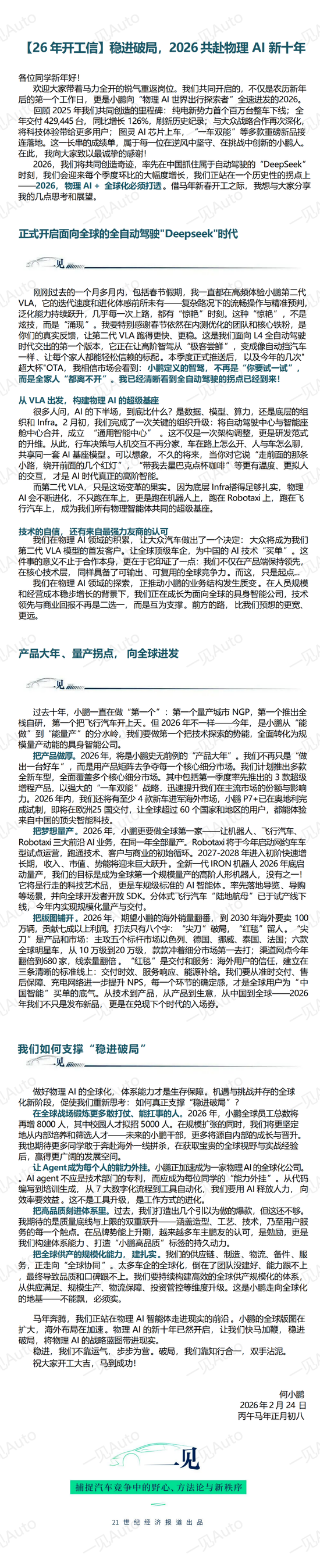
Core Viewpoint - The CEO of XPeng Motors, He Xiaopeng, emphasizes the company's strategic focus on "steady progress and breaking through" in the new decade of physical AI, aiming to achieve mass production of advanced humanoid robots and other AI technologies by 2026 [1][2][3] Group 1: Physical AI and Product Development - XPeng aims to become the first company globally to mass-produce advanced humanoid robots, with the new generation IRON robot set to start production by the end of 2026 [4][12] - The company plans to launch multiple new models in 2026, including three super-extended range products in the first quarter, to capture various core market segments [31][43] - The second-generation VLA model will be launched with Volkswagen as the first customer, marking a significant step towards full autonomous driving [27][41] Group 2: Sales and Global Expansion - In 2025, XPeng achieved a record sales volume of 429,445 units, a 126% year-on-year increase, and aims to double its overseas sales in 2026, targeting 100,000 units by 2030 [7][32][45] - The company plans to introduce at least four new models to international markets in 2026, focusing on key markets such as Israel, Germany, Norway, Thailand, and France [8][45] - XPeng's overseas delivery volume exceeded 45,000 units in 2025, representing a 96% increase, positioning it as a leader among Chinese electric vehicle manufacturers in international markets [7][32] Group 3: Talent Strategy - XPeng plans to increase its global workforce by 8,000 in 2026, with a focus on recruiting 5,000 campus talents and emphasizing internal talent development [11][36] - The company aims to integrate AI capabilities across all employees, making AI a core competency rather than just a technical department's responsibility [11][36] Group 4: Quality and Operational Excellence - XPeng is committed to enhancing product quality across all aspects, including design, craftsmanship, technology, and user service, to establish a strong brand reputation [47] - The company emphasizes the importance of building a robust global supply chain and operational capabilities to support its international expansion and maintain product quality [35][47]

小鹏新年开工信:物理 AI+全球化,今年必须打透
2 1 Shi Ji Jing Ji Bao Dao· 2026-02-24 04:36
Core Insights - The core message of the communication from the CEO of XPeng Motors emphasizes a strategic focus on "steady progress and breaking through" in the context of the upcoming decade of physical AI, with a clear roadmap for 2026 [1][12]. Sales Performance - In 2025, XPeng achieved a record sales figure of 429,400 units, surpassing its annual sales target by 13% [1]. - The company aims to double its overseas sales in 2026, with a target of selling 1 million units abroad by 2030, contributing over 70% of its profits [8][20]. Product Development - XPeng plans to launch three new super-extended range products in the first quarter of 2026 as part of its "one car, dual energy" strategy [7]. - The second-generation VLA model, viewed as a significant step towards L4 fully autonomous driving, will be launched with Volkswagen as its first customer [2][17]. - The company aims to be the first to mass-produce robots, flying cars, and Robotaxis in the same year, with the Robotaxi service set to begin pilot operations in 2026 [4][19]. Global Expansion - XPeng's overseas strategy includes launching at least four new models in international markets, targeting key regions such as Israel, Germany, Norway, Thailand, and France [8][20]. - The company plans to double its channel network to 680 locations and increase lead generation [9][20]. Talent Strategy - XPeng intends to hire 8,000 new employees in 2026, with 5,000 of those being campus recruits, while emphasizing internal talent development [12][21]. - The company aims to integrate AI capabilities across all employees, making it a core competency rather than limited to the tech department [12][21]. AI and Technology Integration - The establishment of a "General Intelligence Center" merges the autonomous driving and smart cockpit divisions, enhancing the integration of driving decisions and human-machine interaction [2][15]. - XPeng is focused on creating a robust infrastructure for physical AI, which will evolve beyond vehicles to include robots and other intelligent systems [16][18].
21独家|小鹏新年开工信:物理 AI+全球化,今年必须打透
2 1 Shi Ji Jing Ji Bao Dao· 2026-02-24 04:04
Core Insights - The core message of the letter from CEO He Xiaopeng emphasizes a strategic focus on "steady progress and breaking through" as the company aims for a transformative decade in physical AI by 2026 [2][12]. Sales Performance - In 2025, the company achieved a record sales volume of 429,400 units, surpassing its annual sales target by 13% [2]. - The company aims to double its overseas sales in 2026, building on a 96% year-on-year increase in 2025, where it delivered over 45,000 units internationally [8]. Product Development - The company plans to launch three new super-range products in the first quarter of 2026 as part of its "one car, dual energy" strategy [7]. - The second-generation VLA model, viewed as a significant step towards L4 autonomous driving, will have Volkswagen as its first customer [3]. AI and Technology - The company is set to mass-produce three advanced AI business lines, including Robotaxi, flying cars, and high-level humanoid robots, all in the same year [5][6]. - The integration of the autonomous driving center and smart cockpit center into a "General Intelligence Center" aims to enhance user interaction and decision-making [4]. Global Expansion - The company plans to introduce at least four new models to international markets in 2026, targeting key markets such as Israel, Germany, Norway, Thailand, and France [9]. - The company aims to establish 680 sales outlets globally, doubling its previous count, to enhance market penetration [10]. Talent Strategy - The company intends to recruit 5,000 campus talents and increase its total workforce by 8,000 in 2026, emphasizing internal talent development [12][13]. - The focus will be on cultivating a workforce capable of adapting to global challenges and leveraging AI as a core competency across all levels of the organization [13].
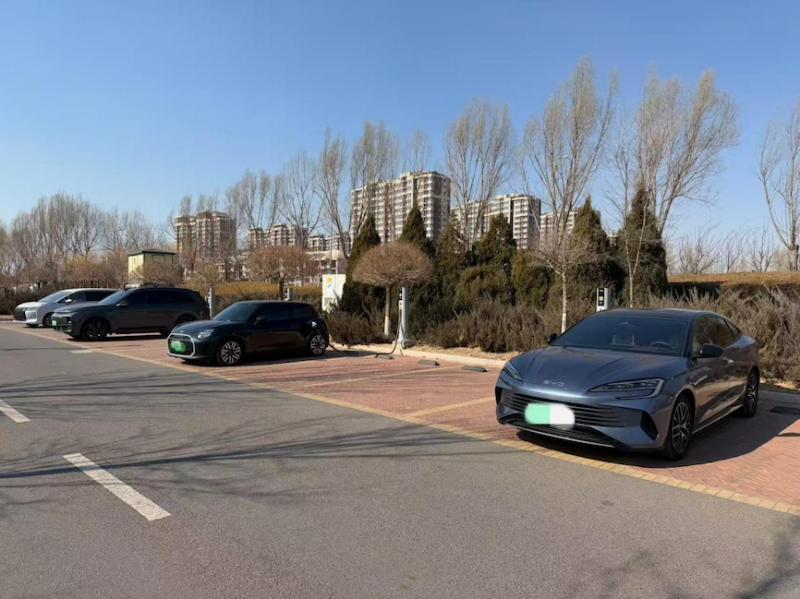
新春走基层|新能源浪潮涌入小县城,增长背后亦有“变速”
Hua Xia Shi Bao· 2026-02-22 02:01
Core Insights - The penetration rate of new energy vehicles (NEVs) in China is projected to reach 47.9% by 2025, with December 2025 marking the first month where it surpasses 50%, maintaining its position as the world's largest market for 11 consecutive years [2] - The transition of NEVs from a niche market to a mainstream consumer product is evident, with a significant increase in the variety of models available, including higher-end brands like Tesla and NIO [3][4] - Consumer preferences are shifting towards higher-value vehicles, as evidenced by the increasing presence of models priced above 200,000 yuan in the market [5] Market Dynamics - The growth of NEVs in rural areas, such as Zhuolu County, is accompanied by a structural shift in consumer preferences, moving from low-cost models to more diverse options that include premium brands [3][4] - The rapid expansion of charging infrastructure is supporting the growth of NEVs, with over 20 million charging facilities nationwide by the end of 2025, and a 56.2% year-on-year increase in private charging stations [6] - Despite the growth in infrastructure, charging anxiety persists, with only 28.7% of households having private charging stations, indicating a gap between infrastructure expansion and actual accessibility [6] Consumer Behavior - The demand for plug-in hybrid vehicles (PHEVs) is declining, with their contribution to the NEV market dropping from 69.7% in 2024 to 15.1% in the first three quarters of 2025, reflecting a market adjustment as pure electric vehicles become more affordable [7][8] - The average selling price of A-class gasoline vehicles has fallen below that of PHEVs, leading consumers to reassess the cost-effectiveness of hybrid models compared to traditional gasoline vehicles [8] - The willingness to pay for advanced driving features is low among consumers in rural areas, with a significant portion preferring basic, practical vehicles over those with high-tech features [9][10] Industry Trends - The 2025 NEV catalog includes a record 124 models, but there is a noted decrease in basic practical models designed for everyday use, as manufacturers focus on higher-margin products [10] - The current market environment allows consumers to make more informed choices, leading to a clearer understanding of genuine needs versus artificially stimulated demand [10]
销量翻倍,扭亏为盈!哪些车企2025年表现“夯”爆了?
电动车公社· 2026-02-20 16:06
Core Viewpoint - The article discusses the competitive landscape of the electric vehicle (EV) market in 2025, highlighting several companies that have performed exceptionally well amidst fierce competition. Group 1: Leap Automotive - Leap Automotive achieved a remarkable milestone in 2025 with nearly 600,000 units delivered, doubling its delivery volume from the previous year and becoming the sales champion among new forces [8] - The company reported a revenue of 24.25 billion yuan in the first half of 2025, a year-on-year increase of 174% [14] - Leap's gross margin improved significantly from 8.4% to 14.1%, leading to a net profit turnaround, making it the second new force brand to achieve profitability after Li Auto [15] - The successful product lineup includes models like the Leap B01, which offers high value for money with advanced features [16][19] - Leap's overseas sales exceeded 67,000 units, accounting for over 10% of total sales, aided by support from Stellantis [21] Group 2: NIO Automotive - NIO announced its first quarterly profit in Q4 2025 after 11 years of operation, marking a significant turnaround [28] - The company delivered 326,000 vehicles in 2025, a 46.9% year-on-year increase, with Q4 deliveries reaching 125,000 units, nearly 1.7 times that of the same period in 2024 [31][32] - NIO's success is attributed to its brand and product strategy, including the launch of the sub-brand "Ladao" and the new ES8 model, which has a gross margin of 20% [35][36] - The company achieved a milestone of 100 million battery swaps, demonstrating the viability of its battery swap model [38] Group 3: XPeng Motors - XPeng delivered 429,000 vehicles in 2025, a 126% year-on-year increase, making it the second-largest new force brand after Leap [42] - The company reported a revenue of 54.46 billion yuan in the first three quarters of 2025, with a gross margin of 20.1% [45] - XPeng's flagship model, the MONA M03, accounted for 46% of total sales, showcasing its competitive edge in the market [46] - The company is also investing in AI technology and robotics, indicating a broader vision beyond traditional automotive manufacturing [54][59] Group 4: Geely Automotive - Geely achieved total sales of 3.0246 million vehicles in 2025, a 39% increase, surpassing its target of 3 million [61] - The sales of new energy vehicles reached 1.688 million units, a 90% increase, with a penetration rate of 55.8% [62] - The Geely Galaxy brand was a significant contributor, with sales nearing 1.24 million units, achieving the fastest cumulative sales record for a new energy brand [66] - The company's restructuring efforts have streamlined operations and improved efficiency across its brands and components [75] Group 5: Toyota Motor Corporation - Toyota maintained its position as the global sales leader in 2025 with 11.3 million vehicles sold, a 4.6% increase [79] - The North American market remained its largest, with sales of 2.51 million vehicles [81] - Despite challenges in the Chinese market, Toyota managed to sell 1.78 million vehicles, a slight increase of 0.2% [84] - The success of its hybrid models and the introduction of competitive electric vehicles like the GAC Toyota's Platinum 3X contributed to its strong performance [85][88]