电动汽车关税

Search documents
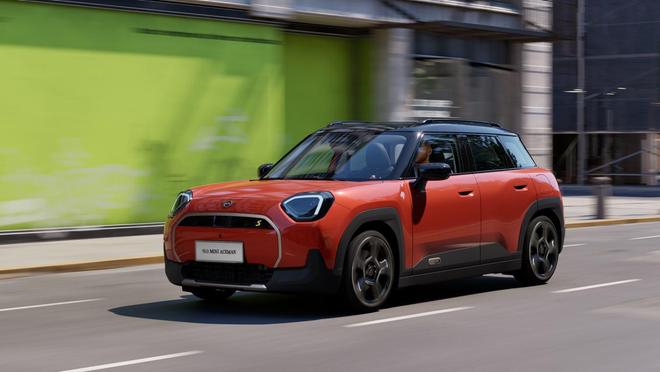
MINI电动车或免于关税,宝马与欧盟就价格承诺展开谈判
Guan Cha Zhe Wang· 2026-02-26 06:25
Group 1 - BMW is negotiating with the European Commission regarding price commitments for electric vehicles imported from China, which may replace tariffs imposed on BMW's MINI electric vehicles produced in China [1][3] - The European Commission previously accepted Volkswagen's price commitments for exporting pure electric vehicles, allowing Volkswagen to export its CUPRA Tavascan model from Anhui to the EU without paying anti-subsidy taxes [1][3] - Following an anti-subsidy investigation, the EU will impose varying tariffs on electric vehicles produced in China starting from October 2024, with BMW facing a tariff rate of 20.7% on its electric MINI Cooper and MINI Aceman models [3] Group 2 - BMW and other automakers have questioned the EU's tariffs and have filed a lawsuit with the European Court in January 2025 [3] - In January, the Chinese Ministry of Commerce announced progress in negotiations regarding the EU's electric vehicle case, emphasizing the need for general guidance on price commitments for Chinese exporters to the EU [3]


德启动电动车补贴,对中企开放
Huan Qiu Wang· 2026-01-22 01:41
Group 1 - The German government announced a new subsidy policy for electric vehicles (EVs) amounting to €3 billion, aimed at improving the climate and boosting the struggling automotive industry. The subsidies will be available to all manufacturers, including Chinese brands [1][2] - The subsidy amounts will range from €1,500 to €6,000 depending on the type of vehicle, income level, and family size, covering pure electric vehicles, range-extended electric vehicles, and plug-in hybrid vehicles [1] - The funding is expected to benefit approximately 800,000 electric vehicles over the next 3 to 4 years, with the aim of reducing dependence on gasoline and diesel, thereby protecting the climate [1] Group 2 - The inclusive nature of the subsidy plan distinguishes Germany from other European countries like France and the UK, which have excluded many Chinese vehicles from their subsidy programs [2] - Approximately 80% of newly registered electric vehicles in Germany are manufactured in Europe, indicating a strong confidence in the quality of European and German vehicles [2] - Chinese manufacturers, such as BYD, are expected to benefit significantly from this decision, as they are expanding their market share in Europe with more affordable electric vehicle options [2] Group 3 - A recent consensus between China and Europe regarding electric vehicle tariffs indicates a welcoming stance towards Chinese manufacturers, with new EU guidelines signaling openness [3] - Despite existing tariffs, sales of Chinese vehicles in Europe have been increasing, with no signs of dumping observed in the market [3] - The German automotive industry views the new EU minimum price guidelines positively, believing they will help maintain market stability amidst previous pricing chaos and consumer confidence issues [3]
盼提振德国汽车业,德国启动电动车补贴并对中企开放
Huan Qiu Wang· 2026-01-20 22:56
Group 1 - The German government announced a new subsidy policy for electric vehicles (EVs) amounting to €3 billion, aimed at improving the climate and boosting the struggling automotive industry [1] - The subsidies will be available to all manufacturers, including Chinese brands, with amounts ranging from €1,500 to €6,000 depending on vehicle type, income level, and family size [1][2] - The funding is expected to benefit approximately 800,000 electric vehicles over the next 3 to 4 years, helping to reduce reliance on gasoline and diesel [1] Group 2 - The inclusive nature of the subsidy plan distinguishes Germany from other European countries like France and the UK, which have excluded many Chinese vehicles from their subsidy programs [2] - The new policy is anticipated to significantly benefit affordable electric vehicle brands like BYD, which are expanding their market share in Europe [2] - Data indicates that the top 11 newly registered pure electric vehicles in 2025 will predominantly come from Volkswagen or BMW, while Chinese manufacturers are gaining traction in the small car segment [2] Group 3 - A recent consensus between China and Europe regarding electric vehicle tariffs signals a welcoming stance towards Chinese manufacturers, despite existing tariffs [3] - Chinese brands like BYD are reportedly selling at higher prices in Europe compared to their domestic market, indicating a lack of dumping practices [3] - The new EU minimum price guidelines are viewed positively by the German automotive industry, as they are expected to stabilize the market amidst previous tariff-induced price confusion [3]
加拿大一省长致信总理卡尼,呼吁取消对华电动汽车关税:“关税多存在一天,损害就加深一分”
Huan Qiu Shi Bao· 2025-10-13 22:49
Group 1 - The Premier of Manitoba, Ginew, has requested the federal government to eliminate the 100% tariff on electric vehicles imposed on China, citing disproportionate impacts on Western Canada due to a "dual-line trade war" [1] - The electric vehicle tariff was implemented in alignment with the U.S. last year to protect the Canadian automotive industry, but retaliatory measures from China have severely affected Canadian canola prices and the pork production sector [1] - A pork producer in Manitoba reported an annual negative impact of CAD 19 million (approximately 97 million RMB) due to these tariffs [1] Group 2 - Saskatchewan, the largest canola-producing province, saw its exports to China drop to CAD 9.6 million in August, a 76% decrease compared to the same period last year, with China previously being the second-largest export destination for its agricultural products [1] - The Premier of Saskatchewan, Moe, emphasized the need for Canada to improve relations with China and reduce reliance on the U.S. market, advocating for continued dialogue between Canada and China [1][2] - A recent poll indicated that only 44% of Canadians support the electric vehicle tariff, down from 63% the previous year, while opposition has risen from 27% to 47% [2] Group 3 - The Canadian Minister of Finance's office is currently evaluating the decision to impose tariffs on electric vehicles, although no timeline for this assessment has been disclosed [3] - Prime Minister Gainey mentioned that Canada is seeking to deepen relations with China in areas such as agriculture and climate [3]
FT中文网精选:德国乐见中欧重启电动汽车价格谈判
日经中文网· 2025-05-12 03:05
Group 1 - Germany is actively promoting the resumption of negotiations on electric vehicle price commitments with China, aligning with its own economic interests [3][4]. - In October 2022, Germany opposed the EU's vote to impose tariffs on Chinese electric vehicles, indicating its stance on trade relations [4][5]. - The country has been significantly affected by the 25% tariffs imposed by the US on imported cars, highlighting its vulnerability in the automotive sector [4].