
电商+产业带

Search documents
数字产品成商品消费亮点 服务消费加速“触网” 赛事、文旅等多领域数据攀升
Yang Shi Wang· 2026-01-23 08:07
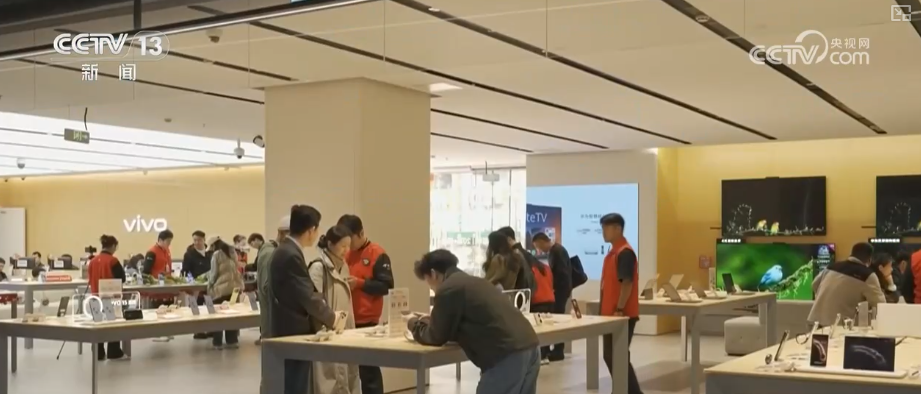
Group 1 - The core viewpoint is that by 2025, China's e-commerce will continue to develop steadily and rapidly, maintaining its position as the world's largest online retail market for 13 consecutive years [1] Group 2 - In 2025, digital products will become a highlight of commodity consumption, with online sales of mobile phones and smart robots increasing by 20.5% and 18% respectively [5] Group 3 - Service consumption is accelerating online, with online service consumption expected to grow by 22% in 2025. Notably, online ticket purchases, offline experiences in sports events, tourism products, and in-store dining will see growth rates of 63.3%, 40.6%, and 23.7% respectively [7] Group 4 - E-commerce is also empowering industries and small and medium-sized enterprises, with initiatives like "Digital Commerce Promoting Agriculture" and "E-commerce + Industrial Belt" being promoted in various regions. Nearly 500 supply-demand matching events are facilitating order matching, capacity undertaking, and digital transformation [10] Group 5 - According to business data, by 2025, online retail sales in rural areas and for agricultural products are expected to grow by 6.7% and 9.9% respectively, while e-commerce transaction volumes in the textile and pharmaceutical industries will increase by 6.6% and 3.8% [13] Group 6 - In terms of international cooperation, the "Silk Road E-commerce" initiative will cover 40 events across more than 100 countries by 2025, with a focus on monitoring a 5.6% increase in sales on cross-border e-commerce import platforms [15]

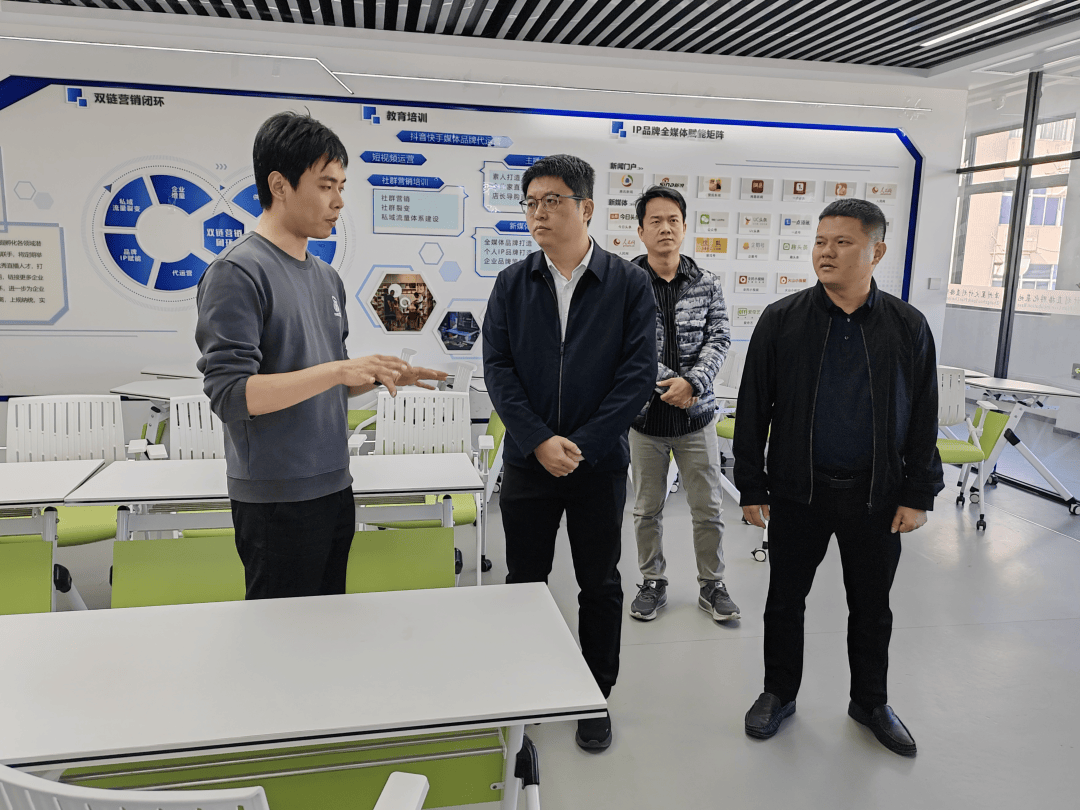
对标先进谋转型,问计取经促发展——平和县组团赴漳州跨境电商(数字贸易)孵化园考察调研
Sou Hu Cai Jing· 2025-12-27 19:52
Core Insights - The visit to the Zhangzhou Cross-Border E-commerce (Digital Trade) Incubation Park aims to learn from successful experiences in advanced regions and explore new paths for the county's e-commerce industry development [1][6] Group 1: Research and Development - The research team conducted a comprehensive visit to the park, including the exhibition hall, office areas, and talent training base, to understand the park's planning, management, and operational practices in cross-border e-commerce [4] - Discussions focused on the integration of "AI + cross-border e-commerce," brand incubation, cross-border logistics collaboration, overseas warehouse layout, and live e-commerce operations [4] Group 2: Strategic Insights - The county leaders emphasized the importance of leveraging digital economy opportunities and integrating advanced regional practices with local resources and industrial foundations to optimize the industrial ecosystem and business environment [6] - Key strategies include scientific planning based on local agricultural product advantages, deepening model innovation, supporting and nurturing talent, and establishing regular communication mechanisms with advanced regions for resource sharing and collaboration [6] Group 3: Future Directions - Participants expressed that the visit broadened their perspectives, clarified their direction, and will serve as a catalyst for accelerating the construction of the county-level e-commerce industrial park [8]
内蒙古鄂尔多斯电商助力三产深度融合
Zhong Guo Chan Ye Jing Ji Xin Xi Wang· 2025-06-04 06:43
Core Insights - The article highlights the digital transformation of traditional industries in Yijinhuoluo Banner, Ordos City, Inner Mongolia, through the implementation of the national e-commerce project, focusing on local brand incubation and geographical indication product registration [1][3] Group 1: E-commerce Development - The Yijinhuoluo Banner has established a digital e-commerce industrial park as a core platform to promote the development of the e-commerce industry, facilitating the digital transformation of traditional enterprises and the upgrading of agricultural product supply chains [1] - The industrial park has successfully incubated over 30 local brands and more than 100 online stores, driving the transformation of traditional enterprises into e-commerce businesses [2] Group 2: Brand and Product Innovation - The industrial park designed five popular products for Mengjianghong Food Co., enhancing production line automation, which increased daily output from 2,000 bags to 60,000 bags [2] - The park has initiated the geographical indication trademark application for "Yijinhuoluo Banner Dried Lamb," promoting local product standardization through a dual approach of "geographical indication + brand story" [1][2] Group 3: Talent Development and Training - The initiative has trained 50 senior internet marketing specialists, forming a professional e-commerce talent team that supports local e-commerce development [2] - The innovative "e-commerce + village secretary" model has trained 145 "secretary anchors," who leverage e-commerce platforms to promote local agricultural products [2] Group 4: Economic Impact - The e-commerce initiatives have led to significant sales growth for local cooperatives, with one cooperative achieving sales growth from millions to tens of millions, creating job opportunities for over 10 villagers and helping sell more than 2,000 sheep [1][2]

商务部:一季度电商推动扩内需 助力外贸拓内销
news flash· 2025-04-21 10:55
Core Insights - The Ministry of Commerce reports that in Q1 2025, e-commerce has significantly contributed to expanding domestic demand and supporting foreign trade to tap into domestic sales [1] Group 1: E-commerce Impact - E-commerce initiatives have been implemented to boost consumption through a combination of policies, activities, and scenarios [1] - The "trade-in" program has driven a 7.4% increase in the growth of digital products [1] - High-quality films and premium dining have led to a 40% and 29.2% increase in online entertainment and in-store dining, respectively [1] Group 2: Industry Efficiency - The "AI technology + digital factory" model has reduced operational costs for upstream and downstream enterprises by nearly 30% [1] - The "e-commerce + industrial belt" approach has enhanced order aggregation and digital collaboration, improving the production efficiency of small and medium-sized enterprises by 35% [1]