白酒年轻化转型

Search documents
78元的牛栏山找到了40岁的岳云鹏,能挽回年轻人的心吗?
Sou Hu Cai Jing· 2026-01-27 05:09
Core Viewpoint - Niulanshan is facing a significant operational crisis, with declining sales and profits, prompting a strategic shift towards younger consumers through the launch of new products like the 36-degree Jinbiao Niulanshan [1][2][3] Company Overview - Niulanshan, a representative of Beijing-style light aroma liquor, has seen its flagship product "Bai Niu Er" sales drop significantly, with revenue from its parent company Shunxin Agriculture declining from 102.25 billion yuan in 2021 to 70.41 billion yuan in 2024 [2] - The company has historically relied on low-priced products, with "Bai Niu Er" achieving sales of 8.4 billion bottles at its peak, but is now struggling with a brand perception tied to low pricing [1][2] Market Dynamics - The Chinese liquor market is undergoing a transformation characterized by stable overall volume, structural upgrades, and increased differentiation, with light bottle liquor experiencing growth despite overall market slowdowns [3][4] - Young consumers, particularly those born in the 1990s and 2000s, are becoming the primary market force, favoring lighter, more personalized drinking experiences over traditional heavy drinking [3][4] Competitive Landscape - The light bottle liquor market has become highly competitive, with established brands and new entrants vying for market share, making it difficult for Niulanshan to maintain its previous distribution and pricing strategies [4][6] - The implementation of new national standards for liquor has further complicated the market, pushing consumers towards pure grain liquor and away from lower-quality options [6] Strategic Response - Niulanshan's introduction of the Jinbiao Chen Neng product aims to address its declining sales by appealing to younger consumers and enhancing its product structure, with a price point of 78 yuan [2][7] - The company is focusing on brand rejuvenation by leveraging celebrity endorsements and engaging in marketing strategies that resonate with younger demographics [7][8] Future Outlook - The potential for Niulanshan's transformation is supported by its strong brand heritage and extensive distribution network, which can facilitate the introduction of new products [10][11] - The company aims to redefine its brand image from a low-cost option to a quality product that resonates with younger consumers, which is essential for its long-term sustainability [12][13]


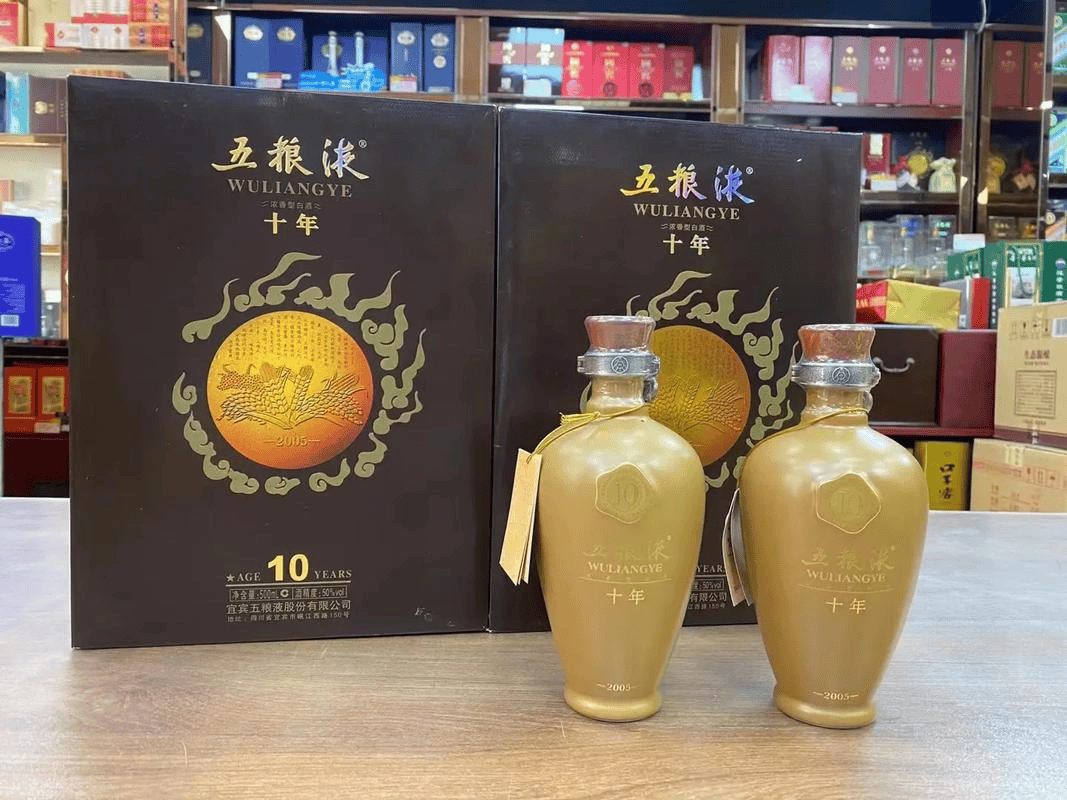
告别传统渠道?五粮液低度酒营销“出狠招”!
Nan Fang Du Shi Bao· 2025-10-27 02:20
Core Insights - The article discusses a marketing revolution in the competitive Chinese liquor market, led by major players like Wuliangye, focusing on innovative sales strategies to attract younger consumers [1][8]. Group 1: Marketing Innovation - Wuliangye has launched a "fission" sales system for its product "29-degree Wuliangye · First Love," allowing consumers to become "recommendation officers" and earn cash rewards for referrals [1][3]. - This fission model is seen as a breakthrough in the brand's efforts to appeal to younger demographics, transforming traditional advertising budgets into user incentives and fostering emotional connections through social sharing [1][5]. - The brand's marketing strategy has shifted towards social-driven approaches, with celebrity endorsements and a focus on engaging younger audiences through platforms they frequent [3][10]. Group 2: Market Trends - The low-alcohol liquor segment is rapidly growing, with projections indicating the market will exceed 74 billion yuan by 2025, reflecting a compound annual growth rate of 25%, significantly outpacing the overall liquor industry [5][6]. - Many liquor companies are investing in low-alcohol products, with 21.1% of firms planning to enhance their offerings in this category as part of their 2025 strategies [5]. - The trend towards low-alcohol beverages aligns with younger consumers' preferences for lighter drinking experiences and more flexible consumption scenarios [6][8]. Group 3: Industry Challenges - The liquor industry is facing significant challenges, including high inventory pressure and price imbalances, with average inventory turnover days reaching 900, a 10% increase year-on-year [8][10]. - Traditional distribution models reliant on intermediaries are becoming less effective, prompting a shift towards user-centric marketing and direct consumer engagement [8][10]. - Companies are exploring diverse marketing innovations to establish deeper emotional connections with consumers, particularly the younger generation [8][10].


被茅台甩开,五粮液增长失速恐难短期翻身!
Sou Hu Cai Jing· 2025-07-17 01:25
Core Viewpoint - The liquor industry, particularly the leading company Wuliangye, is undergoing a significant adjustment period, facing unprecedented challenges and a slowdown in growth, with 2024 showing only single-digit increases in revenue and net profit [1][2][4]. Financial Performance - In 2024, Wuliangye achieved revenue of 89.175 billion yuan, a year-on-year increase of 7.09%, and a net profit of 31.853 billion yuan, up 5.44% [1]. - The first quarter of 2025 saw revenue of 36.94 billion yuan, growing 6.05%, and net profit of 14.86 billion yuan, increasing 5.80% [1]. - The company's revenue growth has reached historical lows, failing to meet the initial double-digit growth targets [1][2]. Market Position and Competition - Wuliangye's performance is lagging behind its competitor Moutai, which reported revenue of 170.899 billion yuan in 2024, with a growth rate of 15.71%, nearly double that of Wuliangye [4]. - The net profit margin for Wuliangye in 2024 was 37.22%, down 0.63 percentage points, while the sales expense ratio increased significantly to 11.99% [4]. Investor Sentiment - Institutional holding in Wuliangye has decreased from 79.26% in 2020 to 73.52% in the first three quarters of 2024, indicating cautious sentiment among professional investors [4]. - The company's market capitalization has dropped by over 500 billion yuan from its peak four years ago, with a current price-to-earnings ratio of around 15 times, significantly lower than its peers [4]. Dividend Policy - Wuliangye announced a record cash dividend of 22.3 billion yuan for 2024, with a payout ratio of 70%, exceeding the average A-share dividend rate of 30% [5]. - Despite the high dividend, market reaction has been muted, with the stock price remaining low [5]. Product and Channel Challenges - Wuliangye faces challenges in product structure and pricing, with a significant increase in promotional expenses, which rose by 49% to 6.76 billion yuan [4][6]. - The company reported a 5.99% increase in revenue from its distribution channels and a 12.89% increase from direct sales channels in 2024 [9]. Inventory and Supply Issues - As of the end of 2024, Wuliangye's inventory reached 18.23 billion yuan, a year-on-year increase of 4.86%, reflecting broader industry inventory challenges [9][11]. - The overall inventory crisis in the liquor industry has surpassed 1 trillion yuan, with significant overproduction issues [11]. Strategic Initiatives - Wuliangye has implemented a "only reduce, not increase" strategy to stabilize pricing, which has shown some short-term success [12]. - The company is attempting to diversify its product offerings to attract younger consumers, but current revenue from these initiatives remains low [14]. Future Outlook - The liquor industry is transitioning from "scale expansion" to "value cultivation," with Wuliangye's challenges reflecting broader structural adjustments within the industry [17]. - The company holds significant cash reserves and a commitment to dividends, providing a buffer for its transformation efforts [18].