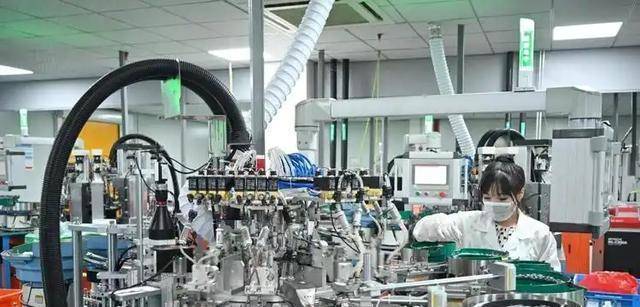
盐湖提锂技术

Search documents
从卡脖子到反杀!中国攻克新技术难题,全球锂业格局要变了
Sou Hu Cai Jing· 2026-01-30 23:13
Core Viewpoint - China, despite being a global leader in lithium battery production, has faced challenges due to a lack of domestic lithium resources, relying heavily on imports from Australia and South America [1][6][8]. Group 1: Lithium Resource Challenges - China's self-sufficiency in lithium resources is only about 30%-40%, and even with potential increases, reliance on imports will continue for the foreseeable future [6][10]. - The majority of lithium imports come from Australia and Chile, while China dominates lithium processing, accounting for over 70% of global capacity [8][10]. - Although China's lithium resource share increased from 6% to 16.5%, this refers to discovered resources rather than economically viable reserves [10][11]. Group 2: Technological Breakthroughs - Recent advancements in lithium extraction technology from salt lakes in Qinghai have achieved over 90% lithium recovery rates, addressing previous bottlenecks in the industry [4][21]. - The breakthroughs involve two key technologies: lithium mother liquor extraction and adsorption lithium extraction, which enhance the ability to extract lithium from existing resources [19][21]. - These technological advancements are expected to transform China from a processing powerhouse into a leader in both lithium reserves and processing capabilities [23][25]. Group 3: Implications for the Industry - The ability to secure lithium resources domestically will enhance the stability and growth of China's new energy industry, reducing dependency on foreign sources [25]. - This shift signifies a major change in the global lithium resource landscape, positioning China to leverage its technological strengths for competitive advantage [25].

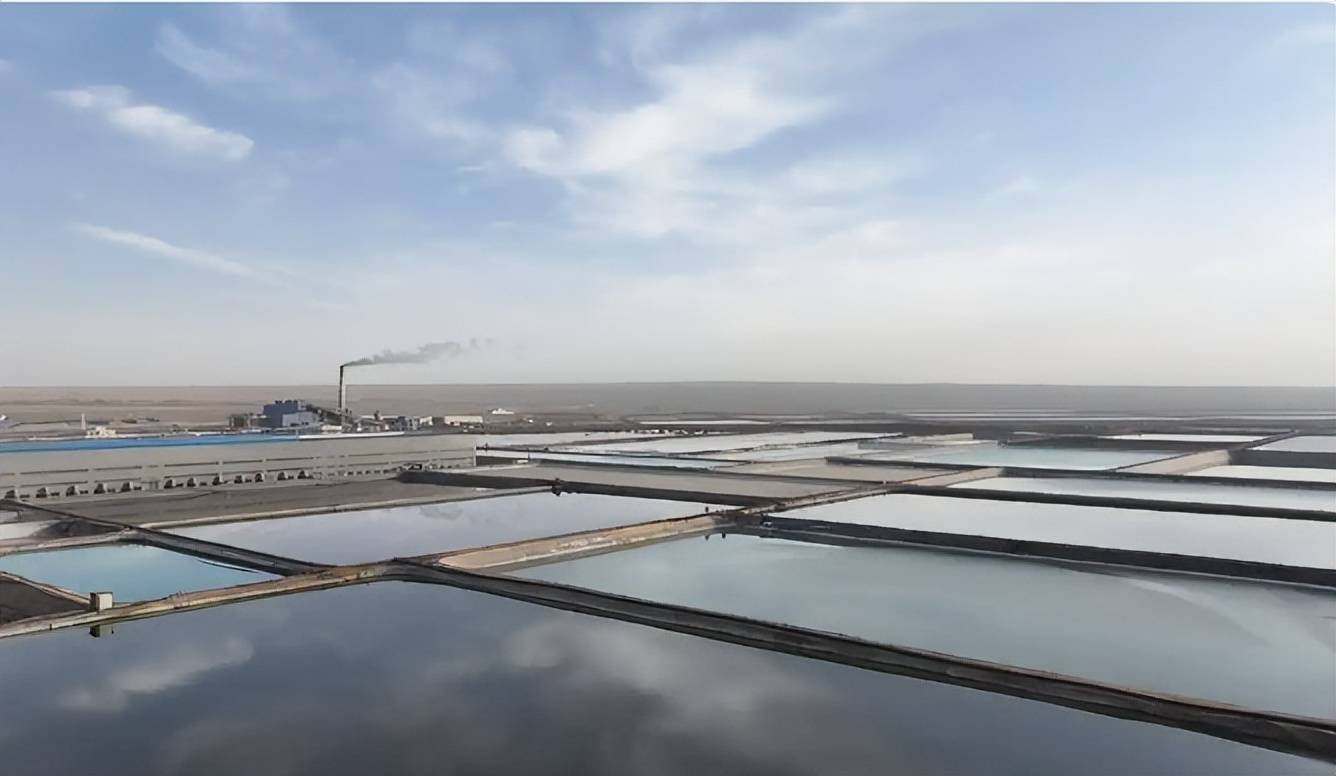
技术突破与多重利好共振,有色金属2026年上行可期?
Xin Lang Cai Jing· 2026-01-27 09:13
Core Viewpoint - Recent breakthroughs in lithium extraction from salt lakes in China indicate a shift in the industry from "cost advantage" to "technology leadership," potentially leading to a full-chain upgrade from resource development to high-value utilization [1] Group 1: Macro Environment - The overall macro environment is favorable for the non-ferrous metals sector [3][12] - Multiple supportive factors are emerging for the non-ferrous metals sector due to the dual backdrop of global economic restructuring and domestic policy drivers [4][13] Group 2: Global Liquidity and Geopolitical Risks - Expectations for increased global liquidity are rising, with UBS predicting two 25 basis point rate cuts by the Federal Reserve in 2026, lowering the target range for the federal funds rate to 3.00% to 3.25% [5][14] - Heightened geopolitical risks at the start of 2026 are expected to increase market demand for safe-haven assets, benefiting gold prices and supporting demand for key strategic metals like copper, tungsten, molybdenum, cobalt, and rare earths [6][14] Group 3: Domestic Economic Stability - China's manufacturing PMI rose above the neutral line in December, indicating economic stabilization and a potential recovery in manufacturing sentiment [6][14] - Continued government investment and infrastructure improvements are anticipated, alongside constraints on corporate expansion due to "anti-involution" policies, which may sustain price increases in the non-ferrous metals sector [6][14] Group 4: National Strategy and Resource Security - In 2026, China will initiate a new round of mineral exploration strategies and crack down on illegal mining of strategic mineral resources, which is expected to strengthen the long-term stability of the industry [6][15] Group 5: Supply and Demand Dynamics - The overall supply-demand balance for various non-ferrous metals is expected to remain tight, supporting upward price trends [8][18] - Factors such as global monetary easing, geopolitical tensions, supply-side constraints, and steady demand are likely to drive the non-ferrous metals sector in 2026 [10][19] Group 6: Specific Metal Insights - Gold: China's official gold reserves have increased for 14 consecutive months, indicating a trend towards further accumulation by the central bank [19] - Silver: Supply remains tight while industrial demand, particularly from the photovoltaic sector, continues to grow [19] - Copper: Long-term capital expenditure on copper mines is insufficient, leading to a potential shift from a tight balance to a shortage [19] - Aluminum: High copper prices are accelerating the "aluminum substitution for copper" trend, with potential shortages in aluminum supply expected [19] - Lithium: Demand for lithium battery materials remains strong, with expectations for a supply-demand reversal in lithium carbonate prices [19] - Cobalt: Continued export quotas from the Democratic Republic of Congo are expected to maintain structural tightness in cobalt supply [19]
盐湖提锂关键技术重大突破,回收率提升成本大降
Jin Rong Jie· 2026-01-12 00:44
Group 1 - The research team from the Qinghai Salt Lake Research Institute has achieved a significant technological breakthrough in the efficient separation of lithium, sodium, and potassium ions from lithium brine, addressing key technical challenges in the lithium extraction process [1] - A demonstration line for extracting lithium from lithium brine with a capacity of 10,000 tons of battery-grade lithium carbonate has been established in Qinghai Province, generating an additional output value of over 600 million yuan [1] - The newly developed green and efficient lithium extraction technology improves the overall lithium ion recovery rate by 15% to 20% and reduces costs by 30%, with water and energy consumption below industry standards by over 30% [1] Group 2 - By 2026, domestic sales of new energy vehicles in China are expected to reach 19.42 million units, a year-on-year increase of 18%, while global sales are projected to be 24.18 million units, up 15% [2] - The global demand for energy storage cells is anticipated to grow significantly, with an expected increase of 220 GWh in 2026, leading to a total production of 764 GWh and a growth rate exceeding 40% [2] - The Chinese salt lake lithium extraction industry is transitioning from a "cost advantage" to "technology leadership," enabling a full industrial chain upgrade from resource development to high-value utilization, thus providing stable supply for the new energy industry [2]
藏格矿业20260108
2026-01-08 16:02
Summary of Conference Call for Cangge Mining Company and Industry Overview - **Company**: Cangge Mining - **Industry**: Lithium and Potash Mining Key Points and Arguments Project Progress and Production Guidance - The Marito Salt Lake Phase I project is progressing as expected, with civil and steel structure works completed at 70%-80% [2][3] - The expected equity output for 2026 is between 4,500 to 6,000 tons, corresponding to a salt lake output of 20,000 to 25,000 tons [2][3] - The total investment for the project has been reduced to 2.8 to 3 billion yuan, with lithium carbonate investment costs around 600 million yuan per ton and production costs controlled under 30,000 yuan per ton, which is nearly 10,000 yuan lower than peers [2][4] Strategic Partnerships and Resource Development - The company is actively communicating with industrial funds and Sansteel Group to integrate the Mami Cuo Fund into the listed company system for consolidated reporting, although no clear timeline is set [2][5] - Cangge Mining indirectly holds a 21% stake in Guoneng Mining and plans to participate in the development of the Jide Chaka (planned 70,000 tons) and Longmucuo (planned 60,000 tons) salt lakes [2][6] Resource Expansion and Environmental Considerations - The company plans to inject resources from the Lagocuo and Mami Cuo salt lakes into the listed company to expand resource reserves and production capacity, with no specific timeline yet [2][7] - The company employs an adsorption-membrane coupling process for lithium extraction, minimizing ecological damage and achieving zero water consumption through self-produced fresh water [4] Production Recovery and Future Capacity - The production at the Chaka Salt Lake has returned to normal, with production guidance for potassium and lithium products in 2026 similar to previous years [2][7] - The company aims to explore further capacity enhancement and has initiated a new 1.5 million tons industrial salt project to recover sodium chloride, which meets environmental standards [2][8] Market Dynamics and Pricing Outlook - The lithium carbonate market is experiencing volatility, with prices driven by supply-demand dynamics and policy changes [11][12] - The expected price range for lithium carbonate is between 100,000 to 120,000 yuan, with the company maintaining a cautious inventory strategy [12] - The company plans to sell 70% of its products through long-term contracts and 30% through spot pricing, using industry-standard pricing for settlements [12] Geopolitical Risks and Strategic Development - The company has conducted extensive market research in South America but has not made investments due to high prices and geopolitical risks [13] - The development of the Laos potash mine is a core focus, with plans to construct a 2 million tons potassium chloride facility in two phases [15][16] Financial Health and Future Plans - The company maintains a healthy financial structure with low debt and good cash flow, supporting a stable dividend policy [27][28] - Future capital expenditures will focus on the Mami Cuo 50,000 tons project and the 200,000 tons potash project, with a cautious approach to new resource acquisitions [22][23] Operational Efficiency Improvements - Post-acquisition by Zijin Group, operational efficiency has improved through refined management practices and cost control measures [24][28] Conclusion - Cangge Mining is strategically positioned in the lithium and potash markets, with ongoing projects and a focus on sustainable practices. The company is navigating market volatility while planning for future growth and resource development.


西藏珠峰:公司控股股东为塔城国际
Zheng Quan Ri Bao Wang· 2025-12-24 13:46
Core Viewpoint - The company, Xizang Zhufeng (600338), is actively developing its lithium extraction project in Argentina using an "adsorption + membrane" technology, which has seen successful industrial applications domestically [1] Group 1: Project Development - The Argentina Angeles project utilizes a lithium extraction technology that has been successfully applied in various industrial projects within China [1] - The company is focusing on technological advancements in salt lake lithium extraction and has achieved significant results in this area [1] Group 2: Financing and Ownership - The company plans to address its resource development funding needs through market-based financing methods [1] - The controlling shareholder of the company is Tachen International, which is not affiliated with Wenguang Group [1] Group 3: Collaboration and Communication - The company maintains a positive and open attitude towards project collaboration [1] - Relevant information regarding the company's projects will be disclosed through announcements on the Shanghai Stock Exchange and designated information disclosure media [1]

藏格矿业20251217
2025-12-17 15:50
Summary of Cangge Mining Conference Call Company Overview - Cangge Mining is the second-largest potash fertilizer producer in China, actively responding to the national food security strategy with a production target of 1 million tons and sales of 950,000 tons in 2025 [2][3] - The company also engages in lithium carbonate and copper production, with ongoing projects in these sectors [3] Key Points and Arguments Potash Fertilizer - The average tax-inclusive price for potash fertilizer in the first three quarters was approximately 2,920 RMB/ton, reflecting a year-on-year increase of nearly 27% [2][3] - The average sales cost decreased to 978 RMB/ton, down nearly 20% year-on-year [2][3] - The company plans to maintain a production capacity of around 1 million tons of potash fertilizer, with expectations to double production in the next three to five years to address domestic supply shortages [2][9] Lithium Carbonate - Due to a production halt in July, the 2025 production guidance for lithium carbonate was revised down to 8,510 tons [2][3] - The company undertook maintenance and training during the downtime to ensure stable operations upon resumption [3][6] - The production cost target for lithium carbonate is set at approximately 40,000 RMB/ton [7] Copper Production - Cangge Mining holds a 30.78% stake in Jilong Copper, which is expected to produce 185,000 to 190,000 tons of copper in 2025, with 142,500 tons completed in the first three quarters [4][5] - The second phase of the Jilong Copper project is anticipated to be completed by the end of 2025, with production capacity expected to be released gradually in 2026 [5] Market Outlook - The company is optimistic about copper prices due to supply constraints and increasing demand from emerging economies, as well as the energy transition in Europe and the U.S. [3][18] - The potash fertilizer market is characterized by high supply concentration, with Canada and Russia controlling over 50% of global supply, which is expected to maintain price stability [18][19] - The lithium carbonate market is also projected to grow due to rising demand from energy storage and electric vehicle sectors [19] Additional Important Information - The Laos potash project is progressing steadily, with a phased target of achieving 2 million tons of capacity [9] - The company is exploring ways to resolve competition issues with Zijin Mining, including potential asset injections or management agreements [11][12] - Future dividend policies will be clarified in the annual report, with indications that dividends may be linked to Jilong Copper's dividend schedule [20][21] - The company aims to balance growth with shareholder returns, emphasizing a commitment to rewarding investors [20]
盐湖股份:“察尔汗盐湖卤水直接提锂技术”项目取得重大突破
Zheng Quan Ri Bao· 2025-12-12 14:13
Core Viewpoint - Salt Lake Co. has made significant progress in its "direct lithium extraction from salt lake brine" technology, achieving key performance indicators that meet expectations, thus validating the feasibility of the technology route [2] Group 1: Technological Advancements - The company’s Central Research Institute has successfully achieved breakthroughs in the lithium extraction process, specifically in the separation factor of magnesium and lithium [2] - This achievement marks an important step for the company in the field of lithium extraction from brine, laying a solid foundation for building a self-controlled and competitive lithium extraction industry ecosystem [2]

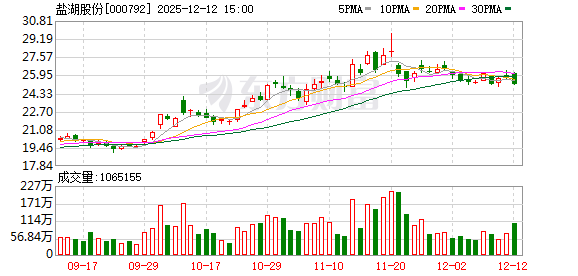
研判2025!中国盐湖提锂行业背景、产业链图谱、发展现状、行业价格、企业布局及未来发展趋势分析:碳酸锂价格高位运行,盐湖提锂赛道升温扩容[图]
Chan Ye Xin Xi Wang· 2025-11-28 01:09
Core Insights - The article emphasizes the significance of lithium extraction from salt lakes, highlighting its advantages over traditional rock mining, including larger resource reserves, lower costs, and stronger environmental benefits [1][2][5] - The industry is entering a phase of large-scale application driven by policy support and increasing demand from the downstream new energy sector, with lithium carbonate prices expected to rise after a temporary decline [1][9] Overview of Salt Lake Lithium Extraction Industry - Salt lake lithium extraction involves using various technologies to extract lithium salts from salt lake brine, making it a crucial upstream activity in the new energy supply chain [1][4] - China holds a significant position in global lithium resources, with salt lake brine lithium mines accounting for 73.26% of the country's total reserves, primarily located in Qinghai and Tibet [1][9] Industry Development Background - Lithium is recognized as a strategic metal essential for modern energy transition, widely used in batteries for electric vehicles and consumer electronics [4][5] - The Chinese government has implemented several policies to promote the high-quality development of the lithium industry, focusing on technological innovation and industry collaboration [5][9] Current State of the Salt Lake Lithium Extraction Industry - China's lithium resource reserves are approximately 6.8 million tons, with 3 million tons being extractable, predominantly from salt lake brine [9] - The production cost of lithium from salt lakes is significantly lower than that from hard rock mining, making it a key player in the global lithium supply chain [6][9] Industry Chain Analysis - The salt lake lithium extraction industry chain is well-defined, with upstream companies focusing on resource extraction, midstream firms providing key technologies, and downstream players manufacturing batteries [8][9] - The demand for lithium batteries is rapidly increasing, with production expected to grow from 750 GWh in 2022 to 1170 GWh by 2024, driven by electric vehicles and energy storage [8][9] Future Development Trends - The industry is expected to advance in technology innovation, resource-technology integration, and green transformation, focusing on improving efficiency and sustainability [11][12][13] - Companies are increasingly investing in high-quality salt lake projects, with major players like Cangge Mining and Salt Lake Co. expanding their production capacities [10][11]


久吾高科:“吸附+膜法”提锂技术是目前国内盐湖提锂的主流技术
Zheng Quan Ri Bao· 2025-10-27 08:13
Core Viewpoint - The company, Jiuwu High-Tech, has confirmed its leading position in lithium extraction technology in China, specifically the "adsorption + membrane" method, which is currently the mainstream technology for lithium extraction from salt lakes [2] Group 1: Technology and Expertise - The "adsorption + membrane" lithium extraction technology is recognized as the primary method for lithium extraction from salt lakes in China [2] - The company is one of the few in China that fully masters this technology, along with the production techniques for key materials such as adsorbents and membrane materials [2] Group 2: Custom Solutions - The company designs and implements comprehensive solutions for clients based on feasibility analysis and small-scale experiments, addressing differentiated application needs and process requirements [2]
锂产业大变革,中国提锂新突破,90%成功率产淡水
Sou Hu Cai Jing· 2025-10-14 18:46
Core Insights - The global electric vehicle market is rapidly evolving, with significant developments in lithium extraction technologies in China, particularly in the Tibetan Plateau, which holds vast lithium resources [1][9][19] Group 1: Technological Advancements - The introduction of "raw brine direct extraction" by Wengxin Salt Lake Company has increased lithium recovery rates from 36% to 60%, breaking previous technological barriers [3] - The use of graphene composite membranes by Lanzhou University has achieved a separation factor of 1000:1 and lithium purity of 99.9%, showcasing advanced technological capabilities [3] - Solar energy-driven lithium extraction techniques have reduced energy requirements by 87% and nearly eliminated carbon footprints, while also producing potable water [5] Group 2: Economic Impact - The production line at Chaka Salt Lake is expected to lower lithium carbonate costs to 30,000 yuan per ton, creating pressure on Australian lithium producers and leading to production cuts and layoffs [7] - China's lithium salt export prices are declining, prompting a shift in the global lithium market dynamics, with major companies like BYD and CATL focusing on the Tibetan Plateau for production [9][11] Group 3: Global Market Dynamics - By 2025, China's lithium resource self-sufficiency is projected to reach 80%, with its market share increasing from 5% to 35%, while traditional exporters like Australia and Chile see declines [11] - The introduction of the "Salt Lake Lithium Extraction Carbon Neutrality Standard" by China is set to influence global practices, establishing China as a key player in setting industry standards [13] Group 4: Future Prospects - The ongoing technological evolution and standardization efforts indicate that the lithium industry landscape will continue to change, with increased competition and complexity in the global market [21]