瞬间经济

Search documents
元旦广东文旅吸金近百亿,瞬间经济燃爆了
2 1 Shi Ji Jing Ji Bao Dao· 2026-01-03 13:30
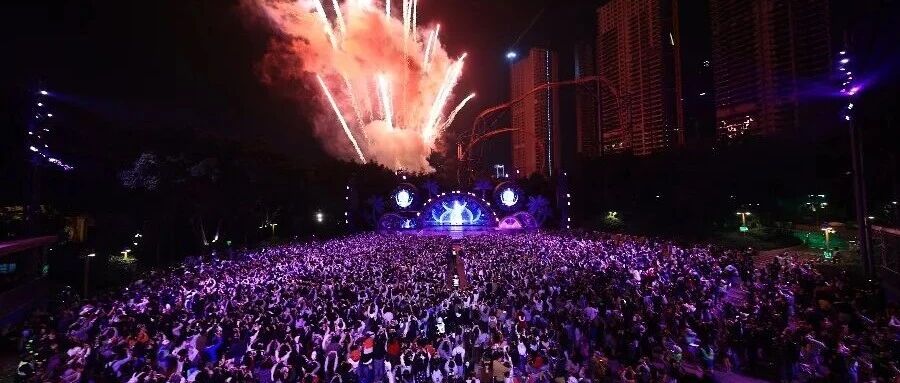
Core Insights - The article highlights the booming "instant economy" in Guangdong, driven by emotional experiences and unique moments that consumers are willing to pay for, such as New Year's celebrations and scenic views [2][4] Group 1: Economic Impact - Guangdong's tourism during the New Year saw 17.875 million visitors, with a daily average increase of 34.8%, generating a total revenue of 9.98 billion yuan, reflecting a daily average growth of 39.8% [1] - The growth in tourism is supported by a 117% increase in bookings for cultural and tourism activities during the New Year [3] - Guangzhou ranked among the top 10 cities for New Year's celebrations, with a 152% increase in searches for "Guangzhou New Year" since mid-December 2025 [3] Group 2: Consumer Behavior - Consumers are increasingly seeking experiences that provide emotional value, leading to a shift towards high-quality, immersive consumption [2][4] - The demand for unique experiences is transforming consumer spending patterns, with a focus on emotional memories and social capital [4] Group 3: Innovative Offerings - Hotels and attractions are creating tailored experiences to meet consumer demands, such as the Guangzhou Garden Hotel's 24-hour stay package and immersive events [4][6] - Various regions in Guangdong are innovating their offerings, with activities like sunrise viewing at Danxia Mountain and themed events in local tourist spots [6][7] Group 4: Policy Support - The provincial government has initiated the "Yue Enjoy Warm Winter, Happy Travel Guangdong" campaign, promoting a comprehensive experience that includes cultural, scenic, and culinary attractions [8] - The campaign aligns with Guangdong's development plan to enhance domestic consumption and foster new consumption patterns [8]
元旦广东文旅吸金近百亿,瞬间经济燃爆了
21世纪经济报道· 2026-01-03 12:05
Core Viewpoint - The article highlights the rise of "instant economy" in Guangdong, driven by emotional experiences and unique moments that enhance consumer spending during events like New Year celebrations [2][10]. Group 1: Economic Impact of Instant Experiences - Guangdong's tourism data shows a significant increase in visitor numbers and revenue during the New Year holiday, with 17.875 million tourists and a revenue of 9.98 billion yuan, reflecting a year-on-year growth of 34.8% and 39.8% respectively [1]. - The search volume for "Guangzhou New Year" increased by 152% since mid-December 2025, indicating heightened consumer interest in festive activities [6]. - The hotel and restaurant sectors experienced a surge in bookings, with a 117% increase in tourism reservations for the New Year period [4]. Group 2: Consumer Behavior and Preferences - Consumers are increasingly willing to pay for experiences that offer emotional value, uniqueness, and social sharing opportunities, driving a shift towards high-quality, experiential consumption [2][10]. - Young consumers, particularly those born after 2000, represent a significant portion of the tourist demographic, with 30% at Zhuhai Changlong Ocean Kingdom and 40% at Guangzhou Changlong Happy World [6]. Group 3: Innovative Offerings and Experiences - Hotels are adapting to the "emotional value" era by offering unique experiences, such as 24-hour stay packages and immersive activities, to enhance guest satisfaction and extend their stay [9][7]. - Various regions in Guangdong are innovating their tourism offerings with unique events and activities, such as the "New Year series" at local attractions, which are designed to attract visitors and enhance their experience [14]. Group 4: Policy and Structural Support - The provincial government is supporting the growth of the instant economy through initiatives like the "Yue Enjoy Warm Winter, Happy Travel Guangdong" campaign, which promotes a comprehensive tourism experience [15]. - The "14th Five-Year Plan" for Guangdong emphasizes the importance of tapping into domestic demand and enhancing service consumption, aligning with the trends observed in the instant economy [15].