碳足迹因子

Search documents
复旦大学可持续发展研究中心:10月全国碳市场放量下跌
Cai Fu Zai Xian· 2025-10-29 07:30
Core Insights - The Fudan University Sustainable Development Research Center released the carbon price indices for November 2025, including national carbon emission allowance (CEA) prices, certified voluntary emission reduction (CCER) prices, and green electricity certificate (GEC) prices [1] CEA and CCER Price Indices - The expected buying price for CEA in November 2025 is 47.59 CNY/ton, with a selling price of 55.42 CNY/ton, resulting in a midpoint price of 51.51 CNY/ton; the buying price index decreased by 14.08% and the selling price index decreased by 8.59% [2] - The expected buying price for CCER in November 2025 is 59.67 CNY/ton, with a selling price of 68.17 CNY/ton, resulting in a midpoint price of 63.92 CNY/ton; the buying price index decreased by 13.52% and the selling price index decreased by 11.27% [2] GEC Price Indices - The expected price for green certificates from centralized projects for 2024 is 2.94 CNY/unit, while for distributed projects it is 2.26 CNY/unit, and for biomass power generation it is 1.31 CNY/unit; all show a decline compared to October 2025 [3] - For 2025, the expected price for centralized projects is 4.24 CNY/unit, for distributed projects it is 3.65 CNY/unit, and for biomass power generation it is 3.81 CNY/unit, with price differences among types of green certificates widening [3] October Market Performance - In October, the average closing price for CEA was 54.76 CNY/ton, down 12.4% from September's average of 62.51 CNY/ton; the market showed a significant drop followed by a slight rebound [4] - The average daily trading volume for carbon allowances in October was 172.14 million tons, an increase of 15.81% compared to September's 148.64 million tons, indicating active trading as the compliance period approaches [4] Global Carbon Market Overview - The global carbon market saw an overall increase in trading volume in October, with the EU carbon market's average daily trading volume rising by 7.91% and the UK market by 34.43%, while the Korean market saw a slight decline of 1.06% [5] - Price movements varied across global markets, with the EU carbon market price increasing by 1.64%, while the UK and Korean markets experienced declines of 0.82% and 3.30%, respectively [6]
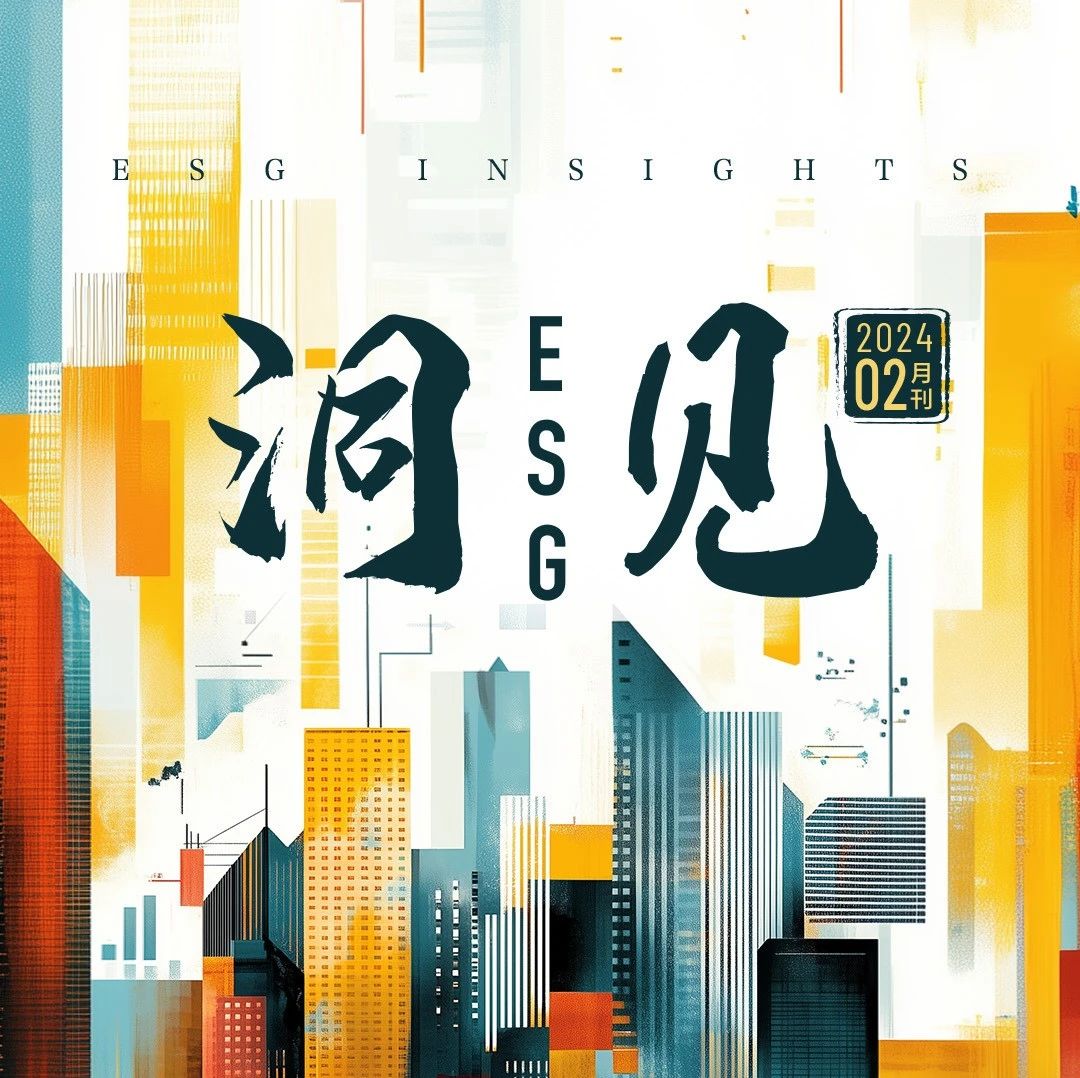
《洞见ESG》2月刊:ESG强制披露企业“换血”
21世纪经济报道· 2025-02-26 10:56
Group 1: ESG Disclosure Changes - The ESG mandatory disclosure for listed companies has undergone a "blood exchange" adjustment, with 27 new companies, primarily in banking, hydropower, and transportation, being added, while 27 companies from the pharmaceutical, electronics, and food and beverage sectors have been removed [2] - The total number of national-level green factories has reached 6,430, with Shandong, Jiangsu, and Guangdong leading in quantity [3] Group 2: Policy Developments - The State Council approved the "Action Plan for Improving the Recycling and Utilization System of New Energy Vehicle Power Batteries," which aims to enhance the recycling capabilities of power batteries [1] - By 2025, 16 provinces, including Guangdong, will focus on developing zero-carbon parks, while cities like Shanghai and Jiangsu will promote green buildings as new growth points [1] Group 3: Industry Insights - The establishment of the Macau International Carbon Emission Trading Exchange aims to connect domestic and international carbon markets, enhancing the role of social capital in carbon market development [4][5] - The introduction of the electricity carbon footprint factor will aid in calculating the lifecycle carbon emissions from electricity consumption, which is more complex than the traditional CO2 emission factor [7] Group 4: Climate and Investment Opportunities - The challenges posed by climate change and the transition to a low-carbon economy present unprecedented investment opportunities, with increasing regulatory requirements for information disclosure in the Asia-Pacific and Europe [9] - The focus on building zero-carbon parks is a key challenge for achieving positive investment returns, as highlighted in the Central Economic Work Conference [8]