社交货币型消费

Search documents
当“春节仪式感”被重新定义:这届年轻人正在用钱投票
Sou Hu Cai Jing· 2026-02-07 21:21
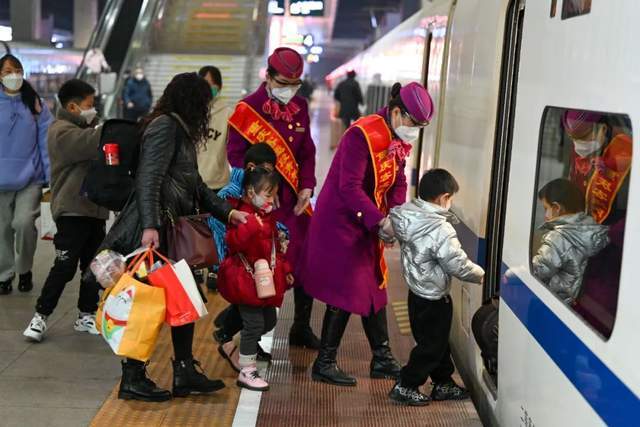
Core Insights - The traditional narrative of the Spring Festival is shifting from "returning home" to a focus on "emotional quality" and personalized experiences, driven by younger consumers [3][9] - Young consumers are increasingly opting for "traveling during the New Year," with significant demand for travel packages, indicating a transformation in how the holiday is celebrated [3][9] - The rise of "pre-made meal boxes" and high-end restaurant delivery services reflects a shift towards efficiency and quality in holiday dining, allowing families to enjoy meals without the traditional cooking burden [5][6] Consumer Behavior Trends - Younger consumers are prioritizing "self-indulgent consumption," purchasing items like stylish homewear, electronics, and beauty treatments as year-end gifts for themselves [8] - "Atmosphere-enhancing consumption" is gaining popularity, with products designed for creating unique, Instagram-worthy home environments [8] - The concept of "social currency consumption" is emerging, where limited edition collectibles and gaming items serve as tools for social engagement and connection [8] Market Implications - The evolving consumer preferences present both challenges and opportunities for businesses that can understand and cater to the new demand for experiential and emotional products [9] - Companies that successfully integrate traditional cultural elements with modern lifestyles and infuse emotional design into their offerings are likely to capture the attention of this key consumer demographic during the Spring Festival [9]

研究了10000名消费者,我们为2026写下30条新消费暴利的秘密 |「万字长文」
新消费智库· 2026-01-05 13:23
Group 1 - The core consumption logic in China is shifting from "cost-performance" and "emotional value" to "quality-price ratio" and "comprehensive self-satisfaction" as consumers become more rational and discerning in their purchases [2][3] - The Z generation (ages 18-27) views consumption as a means of expressing identity and belonging, prioritizing "identity consumption" over mere "need consumption" [4][6][10] - The "谷子经济" (Guzi Economy) is emerging as a significant market, driven by emotional value and the willingness of consumers, especially the Z generation, to pay for intangible assets like fandom and community [10][11] Group 2 - The Z generation is increasingly skeptical of influencer marketing, with only 11% trusting recommendations from online personalities, preferring authentic and relatable brand interactions [12][13] - The trend of "micro-luxury" consumption is rising, where consumers seek small indulgences that provide immediate happiness and a sense of control over their lives [12][13] - The demand for convenience is leading to a rise in "extreme time-saving" solutions, with consumers willing to pay for products that simplify their daily routines [15][16] Group 3 - The second-hand market is gaining traction as consumers seek unique, high-quality items while also valuing sustainability, with platforms for vintage and second-hand goods becoming social hubs [16][17] - Digital assets are being accumulated for their potential future value, with consumers finding satisfaction in owning a vast array of digital content, even if unused [18][19] - A trend towards "aesthetic minimalism" is emerging, with consumers favoring simpler, less polished designs that emphasize authenticity over excessive packaging [20][23] Group 4 - The younger generation is increasingly seeking authentic experiences, often traveling to less commercialized areas to escape urban monotony and engage with local cultures [24][25] - The Z generation is characterized by "precise ambiguity," using specific labels to express their multifaceted identities, which brands must understand and respect [26][27] - The "小镇中年" (Small Town Middle-Aged) demographic is becoming a stable consumer base, relying heavily on community recommendations and valuing local pride [30][32] Group 5 - The "leisure economy" is thriving, with consumers prioritizing leisure activities that enhance their quality of life, such as local dining and short trips [33][34] - Social currency is becoming a key driver of consumption, where purchases are made not just for personal use but also to enhance social standing within local communities [35][36] - The preference for trusted national brands is evident, with consumers favoring mid-range products that offer reliability and value for money [36][37] Group 6 - The rise of service consumption reflects a shift towards valuing time and convenience, with consumers willing to pay for services that simplify their lives [46][47] - The "healing economy" is emerging as a significant market, with consumers regularly engaging in emotional wellness activities to cope with modern stressors [48][50] - Anti-aging products are evolving into a more systematic and scientific approach, with consumers investing in comprehensive anti-aging solutions [51][52] Group 7 - Membership-based shopping models are gaining popularity, as consumers seek curated selections that save time and ensure quality [52][54] - The revival of physical media, such as books and vinyl records, highlights a desire for tangible experiences and the ritualistic aspects of consumption [57][58] - The "new middle-class women" are redefining self-satisfaction, investing in holistic self-improvement across various aspects of life [61][62]