体验至上

Search documents
当“春节仪式感”被重新定义:这届年轻人正在用钱投票
Sou Hu Cai Jing· 2026-02-07 21:21
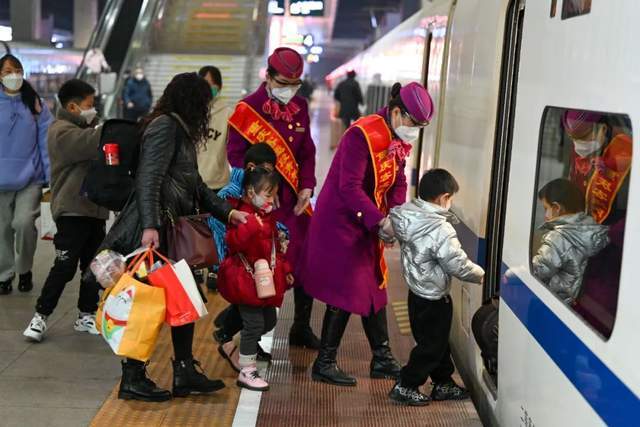
Core Insights - The traditional narrative of the Spring Festival is shifting from "returning home" to a focus on "emotional quality" and personalized experiences, driven by younger consumers [3][9] - Young consumers are increasingly opting for "traveling during the New Year," with significant demand for travel packages, indicating a transformation in how the holiday is celebrated [3][9] - The rise of "pre-made meal boxes" and high-end restaurant delivery services reflects a shift towards efficiency and quality in holiday dining, allowing families to enjoy meals without the traditional cooking burden [5][6] Consumer Behavior Trends - Younger consumers are prioritizing "self-indulgent consumption," purchasing items like stylish homewear, electronics, and beauty treatments as year-end gifts for themselves [8] - "Atmosphere-enhancing consumption" is gaining popularity, with products designed for creating unique, Instagram-worthy home environments [8] - The concept of "social currency consumption" is emerging, where limited edition collectibles and gaming items serve as tools for social engagement and connection [8] Market Implications - The evolving consumer preferences present both challenges and opportunities for businesses that can understand and cater to the new demand for experiential and emotional products [9] - Companies that successfully integrate traditional cultural elements with modern lifestyles and infuse emotional design into their offerings are likely to capture the attention of this key consumer demographic during the Spring Festival [9]

2026胡润中国高净值人群品质生活报告发布
Ge Long Hui· 2026-02-05 08:35
Group 1 - The average living area of high-net-worth individuals in China is 205 square meters, with an average of 4.1 people living in the household. They sleep an average of 6.7 hours per day and engage in over 2 hours of exercise weekly. The U25 demographic prefers fitness, while the U40 demographic enjoys golf. They spend an average of 6.3 days per month with family, favoring Cantonese cuisine for family meals and Japanese cuisine for dining with friends [1] - High-net-worth individuals have an average of 21 vacation days per year, traveling abroad an average of 5 times in the past year, including 2.1 times for leisure and 2.9 times for business. They work an average of 45 hours per week and travel for work 6.9 days per month. The most favored overseas cities are Hong Kong, Singapore, and New York City [1] - The average number of romantic partners before marriage for surveyed high-net-worth individuals is 5, while ultra-high-net-worth individuals average 6 partners [1] Group 2 - The preferred gifts for men have shifted from watches and high-end liquor to electronic products, while cosmetics remain the top choice for women. There is a significant rise in interest for experiential consumption and traditional Chinese medicine therapies. Enthusiasm for traditional luxury brands has declined, with a growing preference for Huawei's electric vehicles [2] - In terms of investment direction for the coming year, gold ranks first, followed by overseas investments such as US and Hong Kong stocks, funds, and insurance. The average proportion of overseas assets in investable assets is 15%, a slight decrease of 1.1%. Hong Kong remains the primary investment destination, followed by the US. Ultra-high-net-worth individuals have a 26% overseas asset proportion, while those with investable assets over 50 million have a 30% overseas asset proportion [2] - The most admired figures among high-net-worth individuals include parents, Elon Musk, Jack Ma, Warren Buffett, Lei Jun, Duan Yongping, and Steve Jobs. The song that has recently moved them the most is Faye Wong's "The World Gave Me," along with other popular songs [2] Group 3 - Over 70% of the U25 demographic uses Xiaohongshu and Douyin as their primary information sources, while the U40 and individuals over 45 prefer using video platforms. Professional investment software is mainly used by the U35 and U40 demographics. The top three financial bloggers followed by high-net-worth individuals are Wu Xiaobo Channel, Xiao Lin Says, and Ren Zeping [3] - The most commonly used AI assistants among surveyed high-net-worth individuals are DeepSeek and Doubao. The U25 demographic primarily uses ChatGPT, while DeepSeek is favored by U30, U35, U40, and U45 demographics. Individuals over 45 prefer using Doubao [3]
胡润报告揭秘中国高净值人群生活:聚餐爱粤菜,投资重黄金
Sou Hu Cai Jing· 2026-01-30 13:17
Core Insights - The report from Hurun Research Institute highlights a shift in the consumption and investment behavior of China's high-net-worth individuals (HNWIs) towards a more "rational and pragmatic" and "experience-oriented" approach in a complex economic environment [1] Group 1: Consumer Behavior - The survey covered 470 high-net-worth individuals with an average family total assets of 61 million yuan [4] - There is a structural change in consumption attitudes, with HNWIs planning to reduce material consumption by 10% in the coming year while increasing spending on service experiences by 12% [4] - The top three areas for increased spending are travel, health, and children's education [4] Group 2: Investment Strategies - Investment strategies are becoming more cautious, with gold being the preferred investment for three consecutive years [4] - Overseas investments are concentrated in Hong Kong and U.S. stocks, while real estate and art are considered for reduction [4] Group 3: Happiness and Well-being - For HNWIs, accumulating material wealth is seen as the primary way to enhance happiness, followed by social gatherings, learning, and maintaining physical and mental health [4] - Preferred relaxation methods include spa treatments, exercise, and solitary activities like reading and meditation [4] - The highest sense of happiness is reported in family life, with parents being the most admired role models [4] Group 4: Digital Integration - Digital platforms such as Xiaohongshu and Douyin are primary sources of information for this demographic, while AI assistants like DeepSeek and Doubao are commonly used [4] Group 5: Market Outlook - HNWIs predict that the Shanghai Composite Index will reach 3,820 points by the end of the year, with 13% forecasting it will exceed 4,500 points [4]
2025年底5G签约数达到 29亿 运营商如何从“流量管道”到“价值中枢”
Jing Ji Guan Cha Wang· 2026-01-05 07:53
Core Insights - The mobile communication industry is transitioning from "scale expansion" to "value cultivation" in the 5G era, shifting the focus from "traffic supremacy" to "experience first" [1] Group 1: 5G Market Projections - By the end of 2025, global 5G subscriptions are expected to reach 2.9 billion, accounting for approximately one-third of total mobile subscriptions, with an additional 400 million people covered by 5G [1] - In mainland China, 5G subscriptions are projected to reach 1.2 billion by the end of 2025 [1] - By the end of 2031, it is anticipated that two-thirds of mobile subscriptions will be 5G, with a total of 6.4 billion 5G subscriptions globally [1] Group 2: Evolving User Demands - User demands are shifting from simple "high-speed connectivity" to "customized experiences," necessitating higher network speed, stability, and security for applications like remote surgeries and live sports broadcasts [2] - 118 operators globally have launched differentiated connectivity services, indicating that differentiated connections are becoming a commercial reality rather than just a conceptual exploration [2] Group 3: Business Model Transformation - Operators need to change their business mindset and content monetization models to balance service scenarios with technology integration, focusing on creating a service system centered on experience and value [2][3] - The value of differentiated connections lies in encouraging customers to pay for better experiences, with operators needing to innovate both technically and in their business approaches [2] Group 4: Industry Collaboration and Innovation - Operators are encouraged to adopt an intent-driven network architecture to provide flexible configurations for differentiated connections, meeting the personalized needs of various industries and scenarios [3] - Long-term strategies include opening network capabilities to third-party developers and fostering collaboration across industries to share the commercial value generated by technological innovations [3] Group 5: Future of 6G - The standardization process for 6G has begun, with projections indicating that by the end of 2031, there will be approximately 180 million 6G subscriptions globally [4] - The integration of AI and new capabilities like Integrated Sensing and Communication (ISAC) in 6G networks will create new application scenarios and terminal types [4][5] - The success of 6G will depend on collaborative ecosystems, emphasizing the importance of cooperation among leading industry players to realize the potential of mobile communication technologies [5]

2025没买房没买车,我的钱怎么还是没了?丨36氪年度消费观察
36氪· 2026-01-02 04:09
Core Insights - The article discusses the evolving consumption patterns of young people in 2025, highlighting a dual trend of both consumption downgrade and upgrade, where over 50% acknowledge downgrading while 70% claim to be upgrading their consumption [7][9]. Group 1: Consumption Trends - Young consumers are increasingly prioritizing immediate gratification over long-term savings, focusing on experiences rather than ownership [12][15]. - The cities with the most significant consumption upgrades are Wuhan (84.6%), Suzhou (81.8%), and Changsha (76.9%) [12][13]. - Young people are spending on experiences that provide emotional returns, such as concerts and travel, with 64.1% willing to spend over 1,000 yuan on concerts [37][41]. Group 2: Emotional Spending - Young individuals are using shopping as a coping mechanism for stress, with over 90% purchasing plush toys for emotional comfort [18][23]. - The trend of seeking "low-risk intimacy" through plush toys indicates a desire for emotional support during tough times [23][26]. - The rise of metaphysical consumption reflects a search for psychological reassurance rather than scientific explanations [20][26]. Group 3: Fitness and Health - Fitness has become an integral part of young people's lives, with a focus on enjoyment and stress relief rather than just weight loss [29][32]. - The average monthly budget for fitness does not exceed 1,000 yuan, indicating a practical approach to health expenditures [31]. Group 4: Gender Dynamics in Spending - Traditional gender stereotypes in spending are being challenged, with both men and women diversifying their purchases across categories like fitness, skincare, and technology [44][48]. - Approximately 70% of consumers prioritize quality over brand, with men leaning towards brand trust and women valuing word-of-mouth [46]. Group 5: Financial Awareness - Young consumers are becoming more strategic with their spending, often opting for budget-friendly alternatives and DIY solutions [55][58]. - The average budget for a down jacket is 1,146.4 yuan, showing a calculated approach to clothing purchases [56]. Group 6: Redefining Consumption - Young people are redefining what it means to spend money, focusing on experiences, comfort, and self-pleasure rather than merely following trends [61][62]. - The article emphasizes that spending is not just about products but about creating personal meaning and emotional value in a complex world [61][62].

2025没买房没买车,我的钱怎么还是没了? | 2025年轻人消费趋势大赏
后浪研究所· 2025-12-30 09:26
Group 1 - The core viewpoint of the article emphasizes that young consumers are redefining their spending habits, balancing between saving and spending for immediate gratification and experiences [4][5][8] - Young consumers are increasingly willing to spend on experiences that provide emotional satisfaction, such as concerts and travel, rather than just material goods [41][44] - The article identifies seven major trends in young consumer spending, highlighting a shift towards prioritizing personal enjoyment and emotional returns on investment [4][12][48] Group 2 - Over 50% of young people admit to a downgrade in consumption, yet 70% still believe they are upgrading their spending in certain areas [5][8] - Cities like Wuhan, Suzhou, and Changsha show the most significant signs of consumption upgrades among young people, with percentages reaching 84.6%, 81.8%, and 76.9% respectively [11][12] - Young consumers are increasingly focused on immediate happiness and personal experiences, valuing emotional ROI over long-term savings [12][14] Group 3 - The article notes that over 90% of young people have purchased plush toys as a form of emotional comfort, indicating a trend towards seeking low-risk emotional support through spending [17][23] - Young consumers are also engaging in "mystical consumption," where they turn to spiritual practices for psychological reassurance, reflecting a broader trend of seeking comfort in uncertain times [20][26] - Fitness has become an integral part of young people's lives, with a focus on enjoyment and stress relief rather than just physical appearance [29][32] Group 4 - The spending patterns of young men and women are evolving, with both genders increasingly investing in traditionally gendered categories, breaking down stereotypes [44][48] - Young consumers are prioritizing quality over brand loyalty, with 70% considering product quality when making purchases [46] - The article highlights that young people are not just passive consumers but are actively creating their own consumption rules, focusing on emotional value and rational spending [62][63]

以谷子经济为代表的新消费行业观察:情感定价时代下的新蓝海
Zheng Quan Zhi Xing· 2025-05-22 06:45
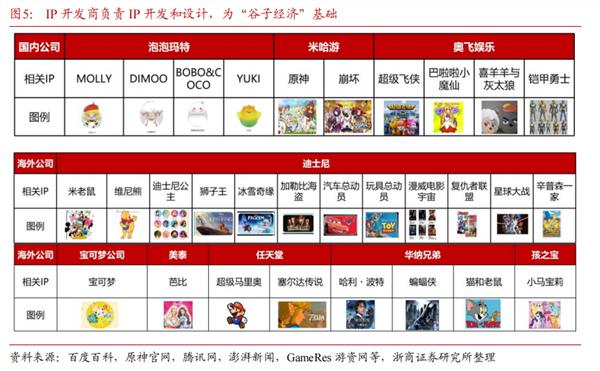
Core Insights - The rise of "Guzi Economy" and pet economy in the A-share market reflects a shift in consumption preferences among Generation Z, with a population of 280 million and an annual consumption scale exceeding 5 trillion yuan [1][2] - The consumption behavior of this demographic is transitioning from "purchasing goods" to "purchasing meaning," indicating a deeper emotional and social transformation [1][3] Guzi Economy - The "Guzi Economy" refers to the market for goods related to anime, games, and other IPs, with a user base of nearly 460 million in 2021, projected to grow to 520 million by 2026 [2][8] - The emotional value drives the pricing of items, such as a limited edition badge from "Haikyuu!!" being sold for 72,000 yuan, highlighting the emotional projection fans have towards characters [2][3] - The industry chain involves IP developers creating content that is licensed to manufacturers and retailers, ultimately reaching consumers [2][3] Pet Economy - The pet economy is characterized by emotional compensation, with 150 million single individuals and 216 million elderly people treating pets as family members, willing to spend significantly on pet care [3][8] - The market for pet-related products and services is expected to exceed 2 trillion yuan by 2030, with segments like smart devices and health management growing at an annual rate of over 25% [8][9] Consumer Behavior - Generation Z's consumption is heavily influenced by emotional value, with 62% of post-95s viewing consumption as a way to construct personal narratives [5][6] - Social media plays a crucial role in consumer behavior, with users sharing their collections and experiences, enhancing community engagement and driving secondary market growth [6][8] Market Trends - The "Guzi Economy" market is projected to reach 168.9 billion yuan in 2024, a 40.63% increase from 2023, with expectations to surpass 300 billion yuan by 2029 [8][9] - Companies like Pop Mart have seen significant growth, with overseas revenue increasing by 375%, indicating a successful expansion strategy [8][9] Conclusion - The emergence of the Guzi and pet economies signifies a broader transformation in consumer values, where emotional connection and social identity take precedence over traditional consumption metrics [10][11] - Companies must focus on creating meaningful experiences and emotional resonance to capture the attention of Generation Z consumers in this evolving market landscape [10][11]