身份消费

Search documents
研究了10000名消费者,我们为2026写下30条新消费暴利的秘密 |「万字长文」
新消费智库· 2026-01-05 13:23
Group 1 - The core consumption logic in China is shifting from "cost-performance" and "emotional value" to "quality-price ratio" and "comprehensive self-satisfaction" as consumers become more rational and discerning in their purchases [2][3] - The Z generation (ages 18-27) views consumption as a means of expressing identity and belonging, prioritizing "identity consumption" over mere "need consumption" [4][6][10] - The "谷子经济" (Guzi Economy) is emerging as a significant market, driven by emotional value and the willingness of consumers, especially the Z generation, to pay for intangible assets like fandom and community [10][11] Group 2 - The Z generation is increasingly skeptical of influencer marketing, with only 11% trusting recommendations from online personalities, preferring authentic and relatable brand interactions [12][13] - The trend of "micro-luxury" consumption is rising, where consumers seek small indulgences that provide immediate happiness and a sense of control over their lives [12][13] - The demand for convenience is leading to a rise in "extreme time-saving" solutions, with consumers willing to pay for products that simplify their daily routines [15][16] Group 3 - The second-hand market is gaining traction as consumers seek unique, high-quality items while also valuing sustainability, with platforms for vintage and second-hand goods becoming social hubs [16][17] - Digital assets are being accumulated for their potential future value, with consumers finding satisfaction in owning a vast array of digital content, even if unused [18][19] - A trend towards "aesthetic minimalism" is emerging, with consumers favoring simpler, less polished designs that emphasize authenticity over excessive packaging [20][23] Group 4 - The younger generation is increasingly seeking authentic experiences, often traveling to less commercialized areas to escape urban monotony and engage with local cultures [24][25] - The Z generation is characterized by "precise ambiguity," using specific labels to express their multifaceted identities, which brands must understand and respect [26][27] - The "小镇中年" (Small Town Middle-Aged) demographic is becoming a stable consumer base, relying heavily on community recommendations and valuing local pride [30][32] Group 5 - The "leisure economy" is thriving, with consumers prioritizing leisure activities that enhance their quality of life, such as local dining and short trips [33][34] - Social currency is becoming a key driver of consumption, where purchases are made not just for personal use but also to enhance social standing within local communities [35][36] - The preference for trusted national brands is evident, with consumers favoring mid-range products that offer reliability and value for money [36][37] Group 6 - The rise of service consumption reflects a shift towards valuing time and convenience, with consumers willing to pay for services that simplify their lives [46][47] - The "healing economy" is emerging as a significant market, with consumers regularly engaging in emotional wellness activities to cope with modern stressors [48][50] - Anti-aging products are evolving into a more systematic and scientific approach, with consumers investing in comprehensive anti-aging solutions [51][52] Group 7 - Membership-based shopping models are gaining popularity, as consumers seek curated selections that save time and ensure quality [52][54] - The revival of physical media, such as books and vinyl records, highlights a desire for tangible experiences and the ritualistic aspects of consumption [57][58] - The "new middle-class women" are redefining self-satisfaction, investing in holistic self-improvement across various aspects of life [61][62]


隐秘的炫耀:情绪经济时代,我们如何为“身份感”买单?
3 6 Ke· 2025-07-02 08:54
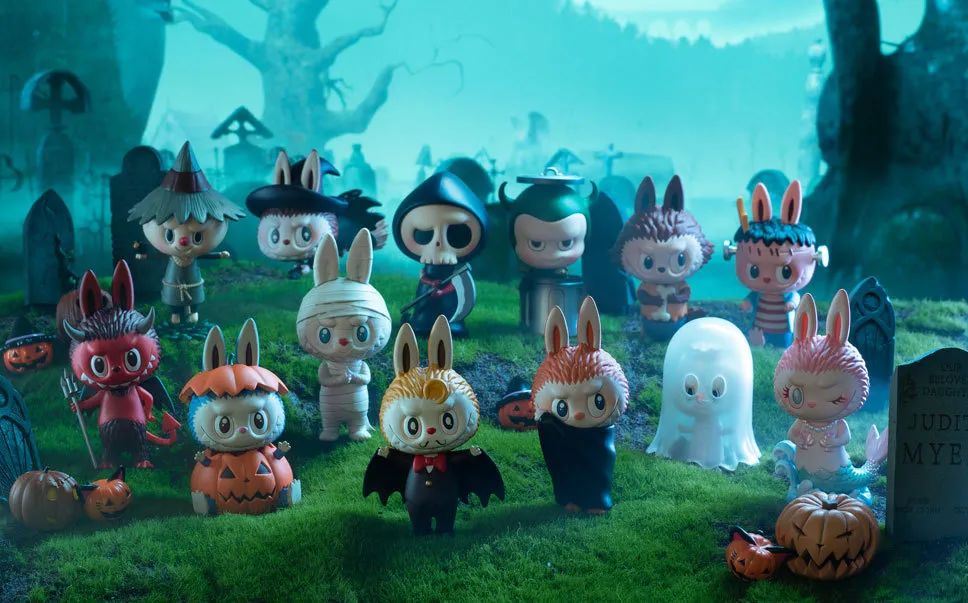
Core Insights - The concept of "emotional value" is becoming a significant investment theme in the Hong Kong stock market, driven by products like blind boxes, gold jewelry, and Chinese tea drinks [1] - The rise of "new conspicuous consumption" reflects a shift in consumer behavior towards identity expression and social recognition [1][3] - Labubu's success story illustrates how celebrity endorsements and high-fashion events can elevate a brand from niche to mainstream, emphasizing the importance of social status in consumer choices [2][3] Group 1: Emotional Value and Consumption Trends - Emotional value encompasses various aspects such as self-satisfaction, social recognition, and therapeutic consumption, with a focus on new forms of conspicuous consumption [1] - The historical context of conspicuous consumption shows its evolution from overt displays of wealth to more subtle forms of identity expression [1][11] - Labubu's transformation into a symbol of status is linked to its presence at Milan Fashion Week and endorsements from global celebrities, which sparked a buying frenzy among consumers [2][3] Group 2: Market Dynamics and Brand Positioning - Labubu's marketing strategies, including social media campaigns and collaborations, have significantly contributed to its brand recognition and sales growth [2][6] - The luxury market in China is evolving, with brands like Laopoo Gold leveraging cultural significance and craftsmanship to appeal to consumers seeking identity expression through luxury goods [7][11] - The rapid growth of Labubu's overseas market revenue, particularly in the Americas and Europe, indicates a strong demand for emotional and identity-driven products [6] Group 3: Cultural and Economic Context - China's economic development has led to a growing middle class with increasing disposable income, creating a fertile ground for luxury and identity-driven consumption [9][10] - The concept of "face economy" in the Middle East highlights a similar trend where consumers seek to express their status through virtual goods and social media engagement [12][16] - The interplay between cultural heritage and modern luxury consumption is evident in the success of brands that can effectively communicate their identity and value propositions [11][17]