福利创新

Search documents
京东再投220亿完善“小哥”保障体系 过去一年90万员工人力总支出1485亿
Chang Jiang Shang Bao· 2025-12-14 23:54
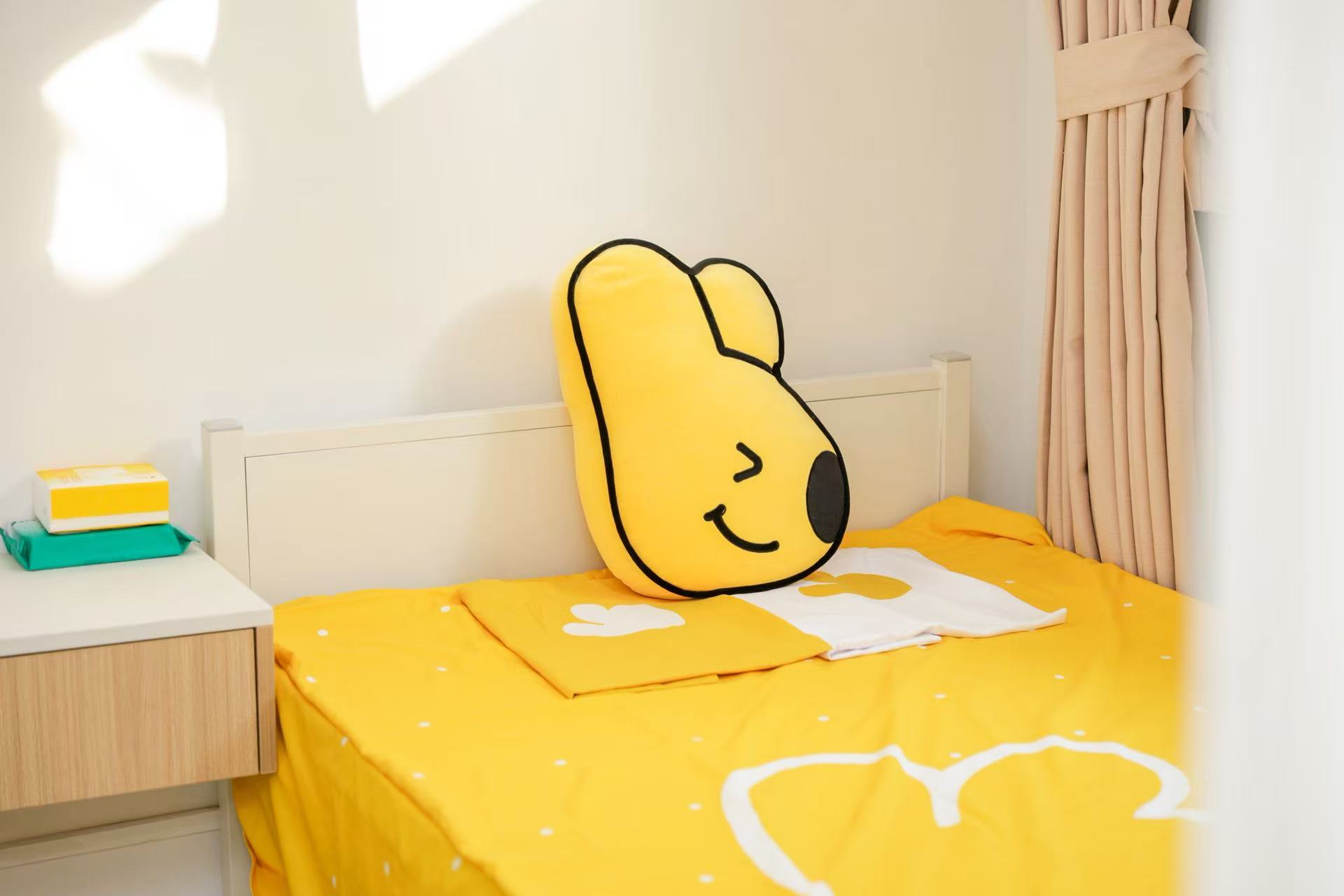
Core Points - JD Group plans to invest an additional 22 billion yuan over the next five years to enhance the housing security system for delivery personnel, aiming to provide 150,000 new "Little Brother Homes" [2][5][6] - The company has already invested 22 billion yuan over the past 20 years, providing 28,000 housing units across 145 cities for frontline employees [4][5] - JD's initiatives include comprehensive welfare programs for employees, such as full social insurance coverage and family care benefits [7][9] Investment and Housing Security - JD's new investment will improve living conditions for at least 200,000 employees, focusing on delivery riders and couriers [6] - The company has established a complete housing security loop, including rental subsidies and interest-free loans for home purchases [7] - The "Little Brother Homes" initiative offers affordable housing options, with rents below the local market rates [4] Employee Welfare and Benefits - JD has committed to 100% labor contract signing and social insurance coverage for full-time delivery riders, becoming the first platform to do so [7][10] - Additional welfare measures include meal benefits, long-term family care, and a modern rider academy for skill development [8][9] - The total human resources expenditure for JD's ecosystem reached 148.5 billion yuan over the past 12 months, reflecting a significant investment in employee welfare [11][12] Industry Trends - Other platforms like Meituan and Taobao are also enhancing their welfare systems for delivery personnel, indicating a trend towards improved employee benefits across the industry [12][13] - Industry observers note that these "welfare innovations" are crucial for attracting and retaining delivery personnel, which directly impacts service quality and market competitiveness [13]


科技周报|京东提供15万套小哥之家;国补政策持续
Di Yi Cai Jing· 2025-12-14 02:11
Group 1: JD's Housing Initiative - JD announced the provision of 15,000 "Little Brother Homes" for delivery personnel over the next five years, investing 22 billion yuan through various support methods [1] - The initiative aims to improve living conditions for delivery workers, which is crucial for maintaining service quality and market competitiveness [1] - This move reflects a strategic choice to stabilize core human resources and enhance fulfillment capabilities amid intense competition [1] Group 2: National Subsidy Policy - The Central Economic Work Conference confirmed the continuation of national subsidies next year, focusing on optimizing the "two new" policies [2] - There is a call for improved subsidy application processes to alleviate the financial burden on offline retailers [2] - Suggestions include allowing consumers to claim subsidies directly through government platforms to streamline the process [2] Group 3: Air Conditioning Industry Standards - Major air conditioning companies are pushing for the implementation of "aluminum instead of copper" standards due to rising copper prices [3] - New group standards for aluminum heat exchangers have been published, with additional standards in development [3] - The initiative aims to enhance consumer trust and address technical challenges related to aluminum heat exchangers [3] Group 4: SpaceX IPO Confirmation - Elon Musk indirectly confirmed SpaceX's plans for an IPO next year, citing the need for funding to support rising AI-related expenses [4] - SpaceX's projected revenue for next year is between 22 billion to 24 billion USD, indicating strong financial performance [4] - The IPO could invigorate the global aerospace industry's capital narrative and set a precedent for other high-investment tech companies [4] Group 5: Xiaohongshu's "Little Red Card" Suspension - Xiaohongshu announced the suspension of its "Little Red Card" service starting January 1, 2026, due to insufficient user satisfaction [6] - The service, launched in September, faced challenges in competing with established players in the local lifestyle market [6] - Users will receive full refunds without needing to take any action, reflecting the company's commitment to customer service [6] Group 6: Cloud Deep Technology Financing - Cloud Deep Technology completed over 500 million yuan in C-round financing, with participation from various financial institutions and strategic investors [7] - The funding indicates a shift in the robotics industry from exploration to practical application [7] - The involvement of industry capital may support Cloud Deep's future market strategies and capital movements [7] Group 7: Successful Launch of CubeSat by Sun Yat-sen University - A student team from Sun Yat-sen University successfully launched the "Yixian-A" CubeSat, marking a significant achievement in satellite technology [8] - The satellite will conduct various scientific experiments and technology validations during its six-month mission [8] - This project highlights the university's contributions to new engineering education and talent development [8] Group 8: Whirlpool's Acquisition of Galanz Washing Machine Assets - Whirlpool announced plans to acquire washing machine assets from its controlling shareholder Galanz for 74.6193 million yuan [9] - The acquisition aims to resolve competition issues between Whirlpool and Galanz in the washing machine sector [9] - Galanz's washing machine products have a production capacity of 2 million units annually and are sold in over 200 countries [9]

美团、京东放大招
第一财经· 2025-12-12 12:10
Core Viewpoint - The article discusses the initiatives taken by companies like JD.com and Meituan to provide affordable housing for their delivery personnel, enhancing their living conditions and job satisfaction, which in turn supports the companies' operational stability and competitiveness [5][9]. Group 1: JD.com Initiatives - JD.com has provided 28,000 housing units for its frontline employees and plans to invest 22 billion over the next five years to offer 150,000 "Little Brother Homes" through various methods such as leasing and self-construction [5]. - The housing provided by JD.com is at least 50% cheaper than market rates, significantly improving the living conditions for employees like delivery worker Pei Yuntao [4][5]. Group 2: Meituan Initiatives - Meituan announced an investment of 10 billion over the next five years to create a comprehensive support system for its delivery riders, including the launch of "Rider Apartments" in cities like Beijing, Shenzhen, and Chongqing [5]. - The first batch of Meituan's "Rider Apartments" is expected to meet the needs of over 600 riders, with utilities covered by the company, making it a cost-effective option for workers [5][6]. Group 3: Industry Impact - The provision of housing by these platforms is seen as a strategic move to stabilize their core workforce, which is crucial for maintaining service quality and competitive advantage in the market [9]. - This "benefit competition" among companies is expected to drive the industry towards quality improvement and create a more sustainable ecosystem for gig economy workers [9].

美团、京东放大招:给骑手快递员“安家”,背后有这些考量
Di Yi Cai Jing· 2025-12-12 11:29
Core Insights - The initiatives by Meituan and JD.com to provide housing are strategic choices aimed at stabilizing core human resources and enhancing fulfillment capabilities amid intense competition [1][5] - The housing programs are seen as a response to the needs of gig economy workers, addressing their living conditions and contributing to their sense of belonging [2][3] Group 1: JD.com Initiatives - JD.com has announced the provision of 28,000 housing units for frontline employees, with plans to invest 22 billion over the next five years to offer 150,000 "JD Home" units through various methods including leasing and self-construction [2] - The housing provided by JD.com is reported to be at least 50% lower than market rates, significantly improving the living conditions for delivery personnel [2] Group 2: Meituan Initiatives - Meituan plans to invest 10 billion over the next five years to build a comprehensive rider support system, including the launch of "Rider Apartments" in cities like Beijing, Shenzhen, and Chongqing [3] - The "Rider Apartments" offer affordable living options, with a reported monthly rent of 700 yuan for a single room, which includes utilities covered by Meituan [3] Group 3: Industry Implications - The housing initiatives by both companies are viewed as a form of "welfare innovation" that enhances the stability of core operational resources, directly impacting service quality and market competitiveness [5] - This competitive "welfare race" is expected to drive the industry towards quality improvement and create a more sustainable ecosystem for gig economy workers [5]