
种源安全

Search documents
习近平总书记关切事|种业振兴这五年,资源保护利用有成效
Nan Fang Nong Cun Bao· 2026-02-11 04:19
Core Viewpoint - The revitalization of China's seed industry is crucial for national food security and agricultural modernization, with a focus on self-reliance in seed technology and resources [2][3]. Group 1: Seed Industry Revitalization - President Xi Jinping emphasizes the importance of seed source security as a strategic issue related to national security, advocating for technological independence in the seed industry [2]. - The "Seed Industry Revitalization Action Plan" was approved in 2021, outlining a roadmap for transforming China from a major seed producer to a strong seed nation [2]. - Over the past five years, significant progress has been made in breeding breakthrough varieties to enhance food security and improve living standards [2]. Group 2: Crop Breeding Innovations - In Hainan, researchers are working on soybean breeding, aiming to close the yield gap with countries like the U.S. and Brazil by utilizing local climatic advantages [3][4]. - The introduction of high-yield and disease-resistant varieties, such as quality rice and wheat, has led to a significant increase in production quality, with over 55% of rice varieties now classified as high quality, up from 45% in 2020 [6]. - The average yield of maize has increased by 8% since 2020, reaching over 800 kg per mu [6]. Group 3: Utilization of Saline-Alkali Land - China has 1.5 billion mu of saline-alkali land, with 500 million mu suitable for grain cultivation, which presents a significant opportunity for expanding arable land and ensuring food security [8]. - Efforts are underway to develop salt-tolerant wheat varieties, with the "Jimai 60" variety expected to yield an average of 560.4 kg per mu in saline-alkali conditions by 2025, an increase of approximately 100 kg compared to standard varieties [8][9]. Group 4: Aquaculture and Marine Breeding - The South American white shrimp breeding program has transitioned from reliance on imported seeds to developing domestically bred varieties, enhancing competitiveness in both domestic and global markets [11][15]. - The newly developed "Zhongxing 2" shrimp variety shows over 20% increased resistance to bacterial infections and a 10% higher survival rate compared to previous strains [14]. Group 5: Genetic Resource Conservation - The ongoing national agricultural genetic resource survey has identified endangered local cattle breeds, leading to successful cloning efforts that have increased their populations [20][25]. - The establishment of a national livestock genetic resource bank aims to preserve and utilize agricultural genetic resources, positioning China as a leader in this field [25].

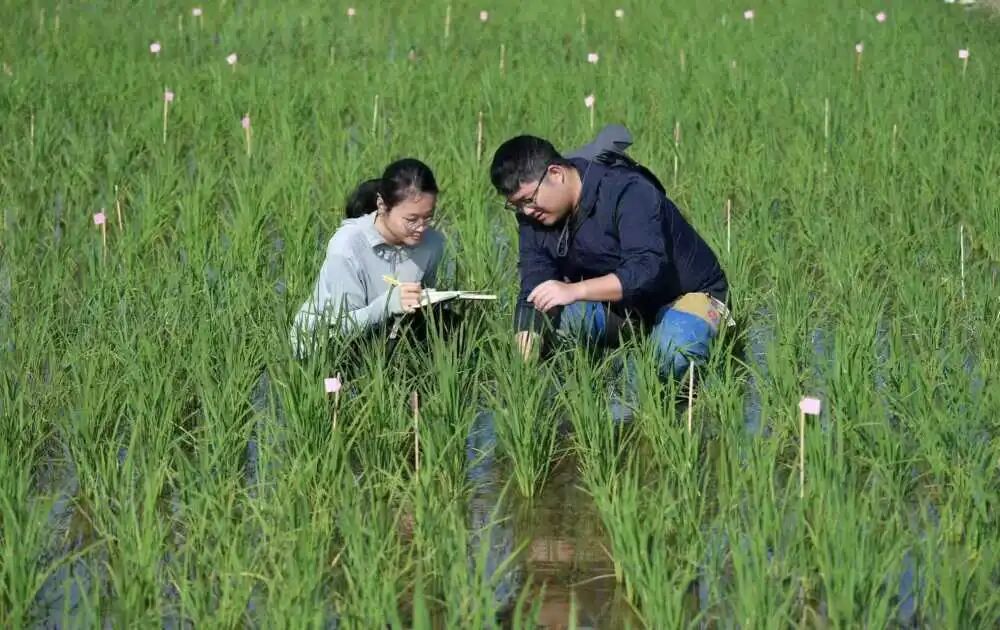
以金融担当筑牢种业振兴根基
Zheng Quan Ri Bao· 2025-12-21 16:24
Core Insights - The Ministry of Agriculture and Rural Affairs aims to achieve significant results in seed industry revitalization by 2025, emphasizing the importance of seed security for national food safety [1] - Financial institutions are encouraged to develop targeted financial services to support the long-term needs of the seed industry, addressing its unique challenges such as long R&D cycles and slow returns [1] Financial Support Strategies - Establish a comprehensive funding supply system to support the entire seed industry chain, including long-term loans for basic research and flexible working capital loans for seed production companies [1] - Collaborate with local governments to launch special credit plans focused on modernizing national seed production bases and enhancing supply capabilities [1] Innovation and Technology - Focus on activating financial momentum for technological transformation in the seed industry, with banks shifting their service focus towards supporting technological innovation [2] - Develop a diversified financial support system combining credit, equity, and funds to lower innovation costs for seed companies and facilitate the commercialization of research outcomes [2] Intellectual Property Financing - Innovate financial services around intellectual property, as traditional collateral-based lending does not meet the needs of seed companies whose core assets are often intangible [2] - Establish a specialized valuation system for seed industry intellectual property to assess market value and expected returns, enabling better financing options [2] Risk Management and Ecosystem - Strengthen risk control capabilities and create a supportive market environment for the seed industry, including establishing a credit evaluation system for seed companies [3] - Ensure that financial resources are directed towards compliant and innovative seed industry entities, promoting high-quality development [3] - Emphasize the need for long-term financial support and precise risk management to ensure the sustainable growth of the seed industry [3]
解锁“芯片”密码 我国种业创新迈出坚实步伐
Xin Hua She· 2025-08-14 02:33
Group 1 - The article highlights the advancements in corn breeding in China, showcasing the development of high-yield and resilient varieties like "Zhongyu 303" to meet increasing market demands [1][2] - The "Zhongyu 303" variety has shown significant improvements, with an increase in yield by 300-400 jin per mu compared to previous varieties, and has been widely adopted, covering 14.75 million mu in the past three years [2] - The article emphasizes the importance of seed innovation in agriculture, noting that corn is a critical crop with unique challenges due to its origins and the need for diverse genetic resources [2][3] Group 2 - The "14th Five-Year Plan" has accelerated the pace of seed industry innovation in China, with policies and technological advancements driving the development of new crop varieties [3][5] - The national agricultural germplasm resource survey initiated by the Ministry of Agriculture and Rural Affairs aims to enhance the understanding and utilization of agricultural resources, leading to the discovery of new varieties [3][4] - The article reports that over 95% of crop varieties in China are now independently bred, with notable achievements in various crops, including wheat, rice, and soybeans, contributing to national food security [6]
学习手记丨一粒种子的分量
Xin Hua She· 2025-07-09 14:03
Core Viewpoint - The article emphasizes the strategic importance of seed industry revitalization in China, highlighting its role in ensuring food security and agricultural modernization [4][6][8]. Group 1: Strategic Importance - The "Seed Industry Revitalization Action Plan" was approved to transition China from a major seed industry country to a strong one, focusing on self-reliance and risk control in seed sources [4]. - Xi Jinping's remarks underline that seeds are foundational to agricultural modernization and national security, linking seed industry development to broader national strategies [4][6]. Group 2: Historical Context - Xi Jinping's early experiences with seed cultivation have shaped his understanding of the seed industry's significance, as he engaged in seed breeding and research during his youth [5]. - Historical anecdotes, such as the story of "King Goujian of Yue," illustrate the critical nature of controlling food sources for national strength [6]. Group 3: Modern Agricultural Development - The article stresses the need for innovation in the seed industry to support modern agriculture and fisheries, with Xi Jinping advocating for the protection and cultivation of diverse varieties [7]. - The concept of a "big food perspective" is introduced, suggesting that addressing food security requires expanding beyond traditional agricultural practices [7]. Group 4: Future Directions - The article calls for collective efforts to advance the seed industry revitalization, emphasizing the urgency and strategic significance of this initiative for the Chinese nation [8].
南江黄羊“出圈”的启示(话说新农村)
Ren Min Ri Bao· 2025-06-12 21:59
Core Insights - The article emphasizes the importance of technological innovation as a core driving force and seed source security as a fundamental guarantee for the development of specialty agricultural industries, which can become a strong engine for rural revitalization and a vivid embodiment of agricultural modernization [1][3]. Group 1: Industry Overview - The South Jiang Yellow Goat, recognized as a breakthrough meat goat breed developed through 70 years of research, has a brand value of 4.185 billion yuan and has won the National Science and Technology Progress Award [1]. - The nutritional quality of the South Jiang Yellow Goat surpasses that of similar goats, with key nutrients such as methionine, lysine, and inosine acid higher by 25.9%, 10.2%, and 6.7% respectively, while cholesterol and fat content are lower by 13.5% and 5% [1]. Group 2: Breeding and Preservation - The local community recognizes that the unique breed advantage of the South Jiang Yellow Goat is crucial for its market success across 28 provinces, highlighting the need for systematic protection and scientific iteration of seed sources [2]. - A "three-tier pyramid" breeding system has been established to ensure the orderly and traceable supply of quality seed sources to the farming end, demonstrating a commitment to continuous innovation and adaptation to modern farming practices [2]. Group 3: Implications for Agricultural Modernization - The South Jiang Yellow Goat serves as a model for addressing challenges in specialty agriculture, indicating that protecting and developing unique genetic resources is essential for sustainable industry growth [3]. - The ongoing nationwide technological offensive surrounding core seed sources reflects a broader trend where agricultural modernization relies on innovation and security in seed sources to strengthen specialty agricultural industries [3].