
科技育种

Search documents
巨鹿高油酸花生亮相省级品牌发布会,诠释产业富民新实践
Zhong Guo Shi Pin Wang· 2026-01-13 07:57
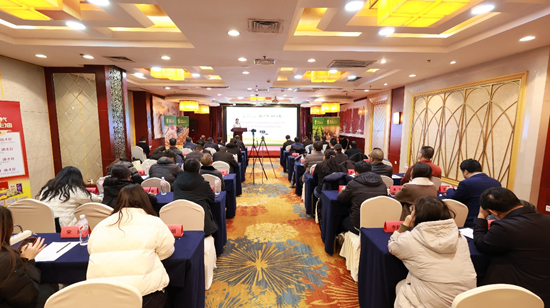
Core Viewpoint - The development of the high oleic peanut industry in Julu County represents a significant transformation from traditional farming to a modern industrial cluster, contributing to the establishment of a "Golden Industrial Belt" for high oleic peanuts in Hebei Province [1][6]. Group 1: Seed Quality and Agricultural Technology - The success of the high oleic peanut industry in Julu County is attributed to the promotion of the "Jihua 572" high oleic peanut variety, which has an oil acid content of 81.5% and demonstrates excellent resistance and high yield potential [2]. - In 2025, a demonstration area established in Julu achieved a yield of 602 kg per mu, showcasing the effectiveness of scientific breeding [2]. Group 2: Smart Agriculture and Standardization - Julu County is advancing peanut cultivation through smart and standardized practices, replacing traditional farming methods with technologies such as "Beidou navigation automatic driving sowing" and "drip irrigation" [3]. - The integration of high-quality varieties, intelligent management, and green prevention techniques has ensured over 60,000 mu of high oleic peanuts are cultivated with high quality [3]. Group 3: Full-Chain Development and Economic Impact - The county is building a complete industry chain that includes seed breeding, large-scale planting, deep processing, and brand marketing, with leading enterprises like Beibeixiang Food Co., Ltd. [6]. - The annual output value of the high oleic peanut industry in Julu County has reached 525 million yuan, with participating farmers experiencing an average income increase of 5,200 yuan per household [6]. Group 4: Future Development Plans - The launch of the provincial cluster brand presents new strategic opportunities for the high oleic peanut industry in Julu County, aiming to stabilize planting areas at over 100,000 mu in the next 3 to 5 years [6]. - The county plans to push for deep processing and integration of the tertiary industry, targeting an annual output value exceeding 1 billion yuan for the entire industry chain [6].

跨越五千里!“汾酒第一车间”深入新疆奇台,种下清香品质“芯片”
Sou Hu Cai Jing· 2025-08-13 01:44
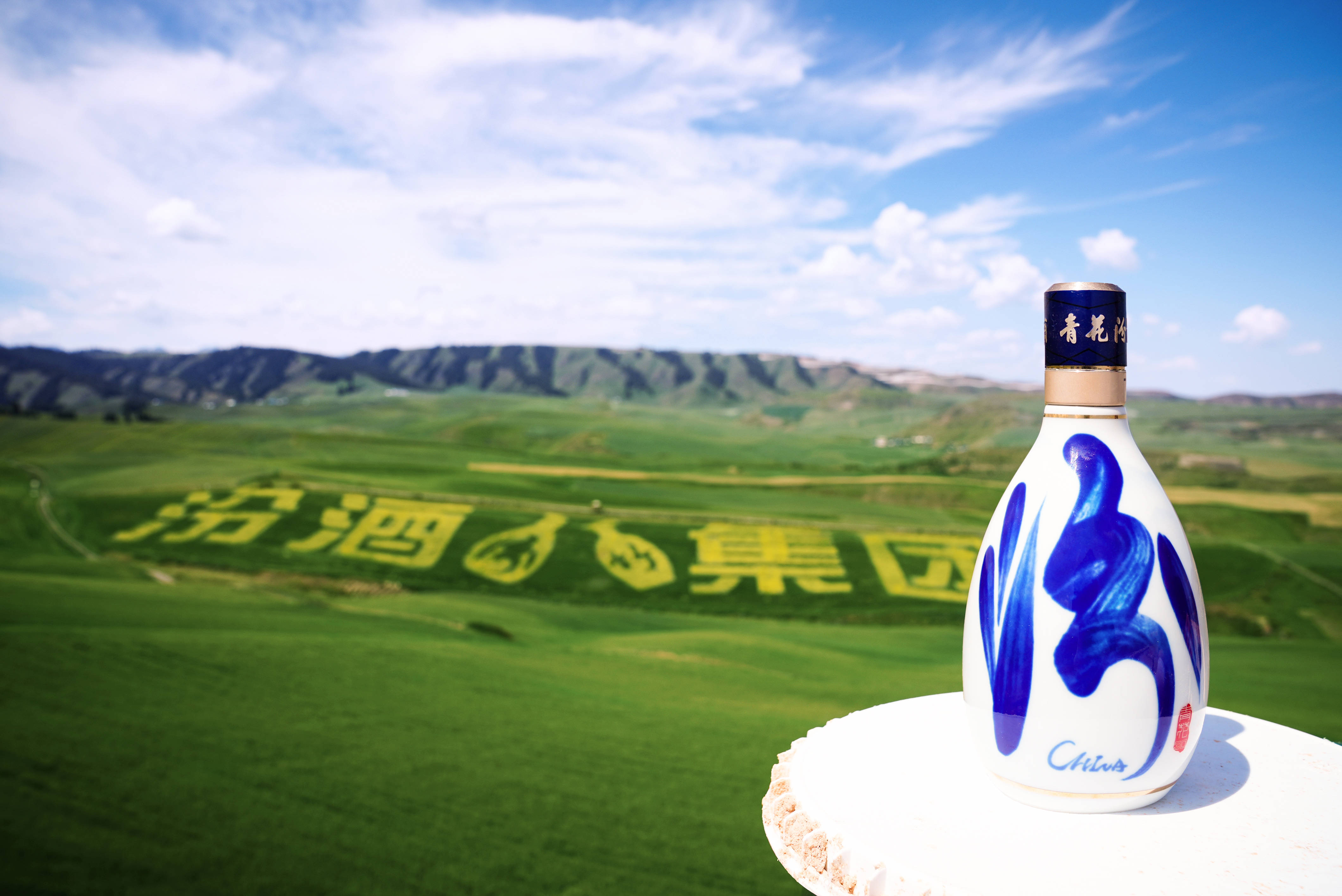
Core Viewpoint - The article highlights the strategic establishment of the "First Workshop" by Fenjiu in Qitai County, Xinjiang, focusing on high-quality barley cultivation to enhance the quality of Chinese liquor production, amidst a transforming liquor industry where the demand for quality exceeds supply [4][6][15]. Group 1: Industry Overview - The Chinese liquor industry is undergoing significant changes, with a consensus that there is a long-term shortage of quality liquor despite an overall production of 4.145 million kiloliters in 2024, a 1.8% decrease year-on-year, while sales revenue reached 796.4 billion yuan, a 5.3% increase [4]. - The focus on securing quality raw materials has become a critical challenge for leading liquor companies [4]. Group 2: Fenjiu's Strategic Move - Fenjiu's decision to establish its "First Workshop" in Qitai is a response to the need for quality assurance in liquor production [6]. - Qitai County is recognized for its agricultural heritage and is a certified "Barley Town," with 2.2 million acres of arable land, making it an ideal location for barley cultivation [6][8]. - The region's climate, characterized by approximately 3,000 hours of sunlight annually and a frost-free period of about 160 days, provides optimal conditions for barley growth [6]. Group 3: Barley Cultivation and Technology - The "Fenjiu Barley No. 1" variety has been introduced in Qitai, demonstrating strong performance even under extreme weather conditions, and is expected to be widely cultivated in the region [12][14]. - The barley variety is specifically bred for liquor production, ensuring high yield and strong resistance, which aligns with the quality requirements for brewing [14]. Group 4: Economic Impact and Community Engagement - In 2024, Fenjiu reported revenues of 36.011 billion yuan and a net profit exceeding 12.243 billion yuan, with a 14.35% increase in revenue from mid-to-high-end products [15]. - The company's order-based agricultural model supports local farmers by providing stable prices and encouraging barley cultivation, thus contributing to rural revitalization [18][21]. - The initiative aims to create a symbiotic relationship between the company and local farmers, enhancing both agricultural productivity and community prosperity [21].

漠阳花13个自主培育花生新品种亮相,助力国家粮食安全战略
Nan Fang Nong Cun Bao· 2025-07-01 06:03
Core Viewpoint - The introduction of 13 new peanut varieties by Guangdong Moyanghua Grain and Oil Co., Ltd. aims to enhance food security and address challenges in the southern peanut industry [4][5][10]. Group 1: New Varieties and Their Benefits - The new peanut varieties, including "Moyanghua No. 1" and "Moyanghua No. 2," were showcased at a demonstration meeting, highlighting their breeding achievements [2][4]. - "Moyanghua No. 1" has an oil acid content of 80.2%, while "Moyanghua No. 2" exhibits strong resistance to adverse conditions, including high temperatures and diseases [34][35]. - The average yield of the new varieties exceeds traditional ones by over 20%, with "Moyanghua No. 2" achieving a yield of 363 kg per mu even after four instances of flooding [36][37]. Group 2: Industry Challenges and Solutions - The southern peanut industry faces issues such as severe variety homogeneity, low research outcome conversion rates, and an incomplete industrial chain, which hinder high-quality development [19][20][21]. - Currently, less than 10% of the 102 peanut varieties registered in Guangdong are commercially operated, indicating a significant gap between breeding strength and industrialization [21][22]. Group 3: Company Strategy and Development - The company has established a comprehensive industrial chain that integrates breeding, planting, research, processing, and sales, aiming to enhance the entire peanut production process [46][47]. - The company invests over 10 million annually in research and development, ensuring the introduction of 1-2 new varieties each year [49]. - A collaborative model involving "company + cooperative + base + farmers" has been implemented to promote peanut cultivation across 170,000 mu in Guangdong and surrounding provinces [52]. Group 4: Future Plans and Collaborations - The company plans to build Guangdong's first modern peanut seed processing plant, focusing on high-value applications in food, health, and pharmacology [62][64]. - Experts suggest strengthening cooperation between science and industry to promote the marketization of high-quality varieties [67][68]. - The company aims to contribute to national food security and rural revitalization through high-quality development in the peanut industry [74][75].

“三夏”·我们不一样
He Nan Ri Bao· 2025-05-28 22:40
Core Insights - The article emphasizes the importance of strengthening farmland protection and construction to ensure food security in Henan Province, which plays a crucial role in national agricultural development and food safety [1] Group 1: Agricultural Innovation - The Henan Provincial Hybrid Wheat Engineering Technology Research Center utilizes accelerated breeding technology, allowing for 4-5 breeding cycles per year compared to the traditional 8-10 years [2] - The center focuses on high-yield, stable, and quality wheat breeding, addressing challenges in traditional hybrid wheat germplasm innovation and variety selection [2][3] - The center has developed a comprehensive system for wheat breeding that includes molecular biology laboratories and digital experimental wind tunnels, significantly enhancing breeding efficiency [3] Group 2: Hybrid Wheat Industry - The National Hybrid Wheat (Dengzhou) Industrialization Base, established in collaboration with the Beijing Academy of Agriculture and Forestry Sciences, aims to enhance hybrid wheat production through a full industrial chain approach [5] - The base has preserved over 15,000 hybrid wheat germplasm resources and identified 32 new hybrid wheat combinations that increase yield by over 10% [5] - The 京麦 series hybrid wheat varieties are being cultivated across 5,000 acres in various regions, demonstrating high yield stability and adaptability to different environmental conditions [6]