全产业链

Search documents
牧原股份(002714):龙头稳健经营,分红彰显长期价值
SINOLINK SECURITIES· 2026-03-29 05:38
Investment Rating - The report maintains a "Buy" rating for the company, indicating an expected price increase of over 15% in the next 6-12 months [4][12]. Core Insights - The company reported a revenue of 144.145 billion RMB for 2025, a year-on-year increase of 4.49%. However, the total profit decreased by 16.33% to 15.81 billion RMB, and the net profit attributable to shareholders fell by 13.39% to 15.487 billion RMB [2][4]. - The company plans to distribute a cash dividend of 4.27 RMB per 10 shares, totaling 2.435 billion RMB (including tax) [2][3]. - The company aims to maintain a stable supply of pigs, with a sales target of 75 million to 81 million heads for 2026, while optimizing breeding costs [3]. - The slaughtering business saw significant growth, with 28.66 million pigs slaughtered in 2025, a 129% increase year-on-year, achieving a capacity utilization rate of 98.8% and a gross margin increase to 2.67% [3]. - The company is exploring overseas markets, starting with Vietnam, which is expected to become a new growth point [3]. Summary by Sections Performance Review - In 2025, the company achieved a revenue of 144.145 billion RMB, a 4.49% increase year-on-year. The total profit was 15.81 billion RMB, down 16.33%, and the net profit attributable to shareholders was 15.487 billion RMB, down 13.39% [2][4]. Operational Analysis - The company plans to maintain a stable output of 75 million to 81 million pigs in 2026, with a breeding cost target of 11.5 RMB per kilogram [3]. - The slaughtering business experienced a 129% increase in volume, reaching 28.66 million pigs, with a gross margin of 2.67% [3]. - The net cash flow from operating activities reached 30.056 billion RMB in 2025, with a debt-to-asset ratio of 54.15%, showing improved financial structure [3]. Profit Forecast and Valuation - The company is expected to achieve net profits of 5.7 billion RMB, 34.1 billion RMB, and 27.8 billion RMB for 2026, 2027, and 2028, respectively, with corresponding EPS of 1.00 RMB, 5.91 RMB, and 4.80 RMB [4].

总投资6.61亿元,皖维高新加码PVA光学薄膜
WitsView睿智显示· 2026-03-12 09:28
Core Viewpoint - The company, Wanwei High-tech, plans to raise up to 3 billion yuan through the issuance of A-shares to fund two key projects: a 200,000 tons/year ethylene-based functional polyvinyl alcohol (PVA) resin project and a 30 million square meters/year high-generation panel PVA optical film project [2][5]. Group 1: Project Details - The total investment for the high-generation panel PVA optical film project is 661 million yuan, with 400 million yuan planned to be raised from the issuance [3]. - The total investment for the 200,000 tons/year ethylene-based functional PVA resin project is approximately 3.66 billion yuan, with 2.6 billion yuan to be raised from the issuance [4]. Group 2: Strategic Importance - The fundraising projects are crucial for the company to extend its main business chain and enhance its core competitiveness, facilitating a full industrial chain from basic chemical raw materials to high-end functional film materials [5]. - The ethylene-based PVA will serve as a key raw material for the high-generation panel PVA optical film project, promoting synergy with existing downstream businesses such as PVB resin and high-strength PVA fiber [5]. Group 3: Market Context - The company has recently raised the prices of all PVA products by 2,000 yuan per ton due to rising upstream raw material costs, which are closely linked to crude oil prices [6]. - The price increase in PVA is expected to influence the pricing of downstream products as well [6].


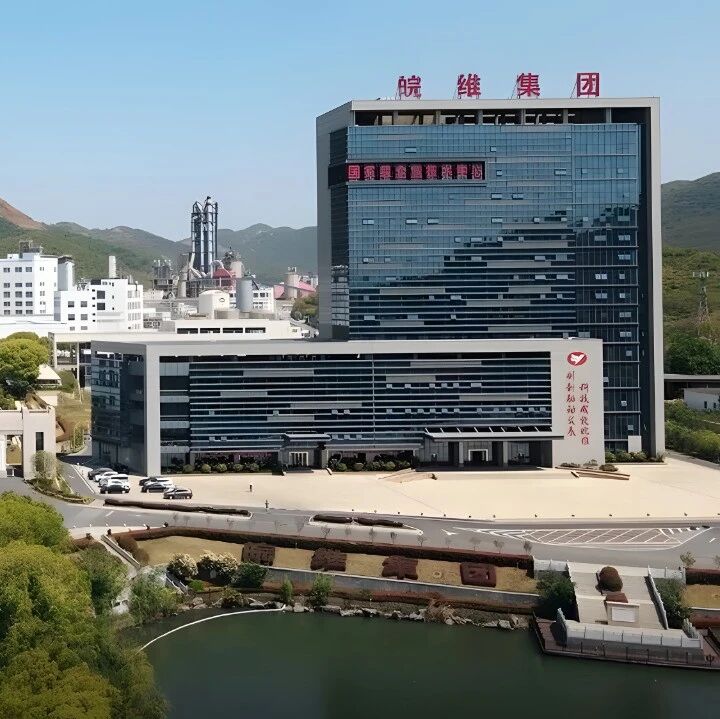
颠覆人类认知,中国集齐所有工业门类:从此全球只剩两个国家
Sou Hu Cai Jing· 2026-02-28 02:20
Core Viewpoint - China has achieved a significant industrial milestone by being the only country to complete all 41 major industrial categories and 666 subcategories as classified by the United Nations, leading to a potential shift in global power dynamics [3]. Group 1: Industrial Strength - China's manufacturing value added is approaching 30% of the global total, indicating its dominance in the manufacturing sector [5]. - In 2024, China's total industrial value added is projected to reach 40.5 trillion yuan, with high-tech and high-end equipment industries growing faster than traditional sectors [7]. - China produces over 220 of the 500 major industrial products at the highest global output, showcasing its comprehensive industrial capabilities [9]. Group 2: Supply Chain Efficiency - The complete industrial chain in China allows for unmatched efficiency and cost control, making it difficult for countries focused on single sectors to compete [9][11]. - China's ability to quickly respond to global supply chain disruptions has established it as a reliable player in the global supply chain [18]. - The presence of advanced manufacturing clusters across the country enables the production of complex products with all necessary components sourced locally [20]. Group 3: Innovation and Future Planning - China is transitioning from low-end manufacturing to high-tech innovation, moving into the second tier of global manufacturing power alongside the US, Germany, and Japan [14]. - The country is focusing on overcoming weaknesses in critical areas such as high-end chips and industrial mother machines through targeted strategies [24]. - Future plans include investments in quantum information, humanoid robots, and 6G technology, positioning China for leadership in new industrialization [26]. Group 4: Strategic Positioning - China's comprehensive industrial strategy is seen as a response to historical lessons about national resilience and self-sufficiency [28]. - The approach of maintaining a full spectrum of industrial capabilities is viewed as a way to mitigate global uncertainties and ensure survival [30]. - The ongoing debate about the value of preserving low-margin industries highlights the strategic importance of a complete industrial ecosystem [32].
严苛标准守护国民餐桌 金龙鱼2025年利润总额同比增长33.71%
Zheng Quan Ri Bao Zhi Sheng· 2026-02-26 12:37
Group 1 - The core viewpoint of the articles highlights the strong financial performance of the company in 2025, with significant year-on-year growth in revenue and profits [1] - The company achieved an operating income of 245.13 billion yuan, a 2.87% increase year-on-year, and a total profit of 4.89 billion yuan, reflecting a 33.71% increase [1] - The net profit attributable to shareholders reached 3.15 billion yuan, up by 26.01% year-on-year, with adjusted figures showing a potential profit total of 5.69 billion yuan, marking a 55.68% increase without considering ongoing litigation impacts [1] Group 2 - The company reported growth in both its main business segments: kitchen foods and feed raw materials, with sales and profits increasing year-on-year [1] - The kitchen foods segment benefited from new factory capacity and expanded sales channels, while the feed raw materials and oil technology segment saw improved sales due to favorable demand in the domestic aquaculture industry [1] - The company has established nine central kitchen parks across various cities, integrating upstream and downstream food processing, which enhances resource sharing and operational efficiency [2] Group 3 - The company emphasizes its commitment to health-oriented consumer demands and aims to leverage its full industry chain advantages to drive growth in the grain and oil food sector [2] - The company has a strong focus on research and development, with 40 laboratories accredited and extensive product testing conducted, achieving a 100% pass rate in inspections [1][2]
50亿押注中国造船,刘强东的游艇能否“换道超车”?
Guan Cha Zhe Wang· 2026-02-25 13:15
Core Viewpoint - The Chinese shipbuilding industry is at a critical juncture, excelling in large commercial vessels but struggling in the high-value yacht sector, which remains underdeveloped and fragmented [1][2][3] Group 1: Current Challenges - Despite being the world's largest shipbuilding nation, China has a significant shortfall in the yacht sector, with a total output value of only 12.8 billion yuan (approximately 1.28 billion USD) and a global market share of less than 4% [1][2] - The yacht industry in China is characterized by a low concentration of firms, with most companies being small and lacking the necessary capital investment to compete at higher levels [2][3] - The yacht market's essence has evolved beyond mere transportation to encompass lifestyle, aesthetic preferences, and social identity, which Chinese manufacturers have yet to fully grasp [2][3] Group 2: Attempts to Break the Stalemate - The establishment of Sea Expandary, a new yacht brand by Liu Qiangdong, aims to address the gap between manufacturing and experience definition through significant investment in a full industry chain [5][6] - Sea Expandary plans to innovate by focusing on new energy and smart yachts, utilizing AI and robotics to enhance user experience and address traditional yacht maintenance challenges [5][6] - The brand envisions creating affordable yachts priced around 100,000 yuan, aiming to democratize high-quality maritime experiences by leveraging China's complete shipbuilding supply chain [6][9] Group 3: Observations on the New Model - Sea Expandary's approach reflects a shift from selling products to offering comprehensive solutions, thereby redefining the yacht experience and breaking the stereotype of yachts as exclusive luxury items [9][10] - The model emphasizes supply chain efficiency and customer-centric service, aiming to make yacht ownership more accessible and appealing to a broader audience [10][11] - Collaborations with cities like Zhuhai and Shenzhen not only facilitate industry development but also enhance urban waterfront leisure functions and marine culture [11][12] Group 4: Conclusion - The full industry chain initiative represents a significant attempt to transform the Chinese yacht industry, focusing on how to leverage manufacturing strength to create a unique cultural experience [13] - The challenges ahead are substantial, as the yacht industry requires long-term investment in technology, brand recognition, and service systems [13] - This initiative may not immediately alter the global yacht industry landscape, but it signifies a systematic focus on a previously neglected sector, showcasing China's potential to redefine high-end lifestyle standards [13]

50亿押注中国造船,刘强东的电动游艇能否“换道超车”?
Guan Cha Zhe Wang· 2026-02-25 13:13
Core Insights - China's shipbuilding industry is at a critical juncture, leading the world in shipbuilding completion, new orders, and backlog for 15 consecutive years, with market shares of 55.7%, 74.1%, and 63.1% respectively [1] - In contrast, the yacht manufacturing sector in China is significantly lagging, with a total output value of only 12.8 billion yuan (approximately 1.28 billion USD) and an export value of around 600 million USD, capturing less than 4% of the global market [1][2] - The disparity in performance between large commercial vessels and yachts highlights a structural weakness in China's ability to transition from manufacturing to creating high-value experiences [2][3] Current Challenges - The yacht industry in China is characterized by a fragmented structure, with most companies remaining at a basic manufacturing level, lacking the investment needed to develop high-end experiences [2] - The industry faces a significant barrier due to the capital-intensive nature of yacht production, where most domestic companies have not exceeded an investment of 10 million yuan (approximately 1.5 million USD) [2] - The lack of a strong brand identity and experience definition in the yacht sector prevents China from moving up the value chain, resulting in a persistent "small, scattered, and weak" industry [3] Policy and Market Shifts - Recent government initiatives, including a plan to promote high-quality development in yacht consumption, indicate a shift in policy that could support the industry's growth [3] - The challenge remains in identifying which entities can effectively leverage China's manufacturing capabilities to redefine consumer experiences in the yacht market [3] Strategic Initiatives - The establishment of Sea Expandary, a new yacht brand by Liu Qiangdong, aims to address the industry's challenges by investing in a full industrial chain to bridge the gap between manufacturing and experience definition [4] - The brand plans to focus on innovative technologies, such as AI and robotics, to create a new generation of smart, eco-friendly yachts that address traditional pain points like high maintenance costs and noise [4][5] - By optimizing cost structures through vertical integration within China's shipbuilding supply chain, Sea Expandary aims to make quality yachts more accessible, targeting a vision of 100,000 yuan (approximately 15,000 USD) yachts [5] Service and Experience Redefinition - Sea Expandary intends to shift from a product-centric model to a solution-oriented approach, creating a comprehensive ecosystem that includes research, manufacturing, sales, and service [6] - The introduction of flexible service models, such as time-sharing rentals, aims to redefine yacht ownership and enhance user experience, challenging the traditional perception of yachts as exclusive luxury items [6] - This transition from selling hardware to offering lifestyle experiences is crucial for gaining "experience definition rights" in the yacht market [6]
首家“粤味珍品”餐厅营业,过年来品清远好食材
Nan Fang Nong Cun Bao· 2026-02-16 09:34
Core Viewpoint - The first "Yuewei Zhenpin" restaurant has opened in Qingyuan, showcasing local high-quality ingredients and traditional culinary techniques, aiming to enhance the local dining experience and promote Qingyuan's agricultural products [8][28]. Group 1: Restaurant Overview - The "Yuewei Zhenpin" restaurant is located in Longtang Town, Qingcheng District, Qingyuan City, and focuses on dishes made from local specialties such as Qingyuan chicken and bamboo shoots [5][8]. - The restaurant's concept is based on "Bamboo Rhythm and Artisan Spirit," featuring six signature warm pots that integrate traditional craftsmanship with local ingredients [9][10]. - All dishes are sourced from a full supply chain, ensuring freshness and authenticity, with ingredients traceable to local farms [10][11]. Group 2: Location and Operations - The restaurant is part of the Longtang City Station, strategically located near major transportation hubs, and is operated by a collaboration between local economic development companies and food producers [13][14][15]. - As a key component of the station, the restaurant serves as an important experiential window for showcasing Qingyuan's high-quality agricultural products [15]. Group 3: Customer Experience and Activities - The restaurant emphasizes an immersive dining experience with a design that reflects Lingnan culture, including an open kitchen to showcase the cooking process [16][17]. - It features a retail area for local specialties, allowing customers to purchase products like vacuum-packed bamboo shoots and ready-to-eat dishes [18][19]. - During the Spring Festival, the restaurant will host various activities, including interactive games and promotions, to enhance visitor engagement and promote local cuisine [21][22][30]. Group 4: Economic and Cultural Impact - The establishment of the "Yuewei Zhenpin" restaurant enriches the local dining landscape and serves as a bridge connecting high-quality agricultural products with the market [28]. - The Spring Festival activities aim to combine culinary experiences with cultural tourism, further promoting the "Yuewei Zhenpin" brand and revitalizing local agricultural products [29][30].

华尔街想不通:美元潮汐割遍世界,怎么到中国就不灵了?
Sou Hu Cai Jing· 2026-02-14 07:05
Core Viewpoint - The article discusses the historical pattern of the United States using its monetary policy to extract wealth from other nations, particularly focusing on the experiences of South Korea and Japan, and contrasts this with China's recent resilience against similar tactics. Group 1: Historical Context of U.S. Financial Practices - The U.S. has employed a "harvesting" strategy for nearly fifty years, successfully extracting wealth from various countries, including the Asian Tigers and Latin America [3][14]. - South Korea's financial crisis in 1997 exemplifies this strategy, where external debt and capital flight led to a significant economic downturn, resulting in U.S. capital taking control of major banks and corporations [4][7]. - Japan faced a similar fate in the late 1980s, where U.S. monetary policy changes led to a massive economic bubble and subsequent crash, resulting in a long-term economic stagnation known as the "Lost Decade" [8][12]. Group 2: China's Response to U.S. Financial Tactics - In 2015, the U.S. attempted to apply the same financial pressure on China, leading to significant capital outflows and stock market volatility [15][18]. - China responded by actively defending its currency and financial sovereignty, utilizing its substantial foreign exchange reserves to stabilize the yuan and prevent a systemic crisis [16][20]. - The measures taken by China, including capital controls and maintaining a robust industrial base, thwarted the U.S. strategy, marking the first failure of the U.S. "harvesting" script in four decades [19][21]. Group 3: Implications for Ordinary Individuals - The article emphasizes the importance of understanding the broader financial landscape, as individual investments and savings are influenced by global capital flows and currency stability [23][28]. - It highlights the lessons learned from past financial crises, urging individuals to recognize the risks associated with market fluctuations driven by external forces [24][29]. - The narrative suggests that the collective efforts of ordinary people in China have contributed to maintaining financial stability and resisting external pressures [30].
粤味珍品·清远丝苗米:跨县集群产业园助力丝苗香万里 | 广货行天下
Nan Fang Nong Cun Bao· 2026-02-13 02:33
Core Viewpoint - The article highlights the growth and market expansion of Qingyuan fragrant rice, emphasizing its transformation from a local product to a recognized brand across various regions in China, driven by industrialization and strategic marketing efforts [5][18][88]. Group 1: Industry Development - Qingyuan fragrant rice is a key component of the modern agricultural industry cluster in Qingyuan City, which is valued at over 100 billion yuan [6][10]. - The establishment of the Guangdong Province cross-county industrial park for fragrant rice in Qingyuan is reshaping traditional agriculture with an industrial mindset, focusing on brand promotion and market penetration [7][19]. - By 2025, the total output value of the entire industry chain is projected to exceed 7.4 billion yuan, showcasing the brand's potential to drive significant economic impact [8]. Group 2: Product Quality and Characteristics - Qingyuan fragrant rice is renowned for its high quality, characterized by long, translucent grains and rich oil content, making it a popular choice among consumers [14][15][16]. - The rice is cultivated in an ecologically favorable environment in northern Guangdong, which contributes to its superior taste and aroma [11][12]. Group 3: Market Expansion and Branding - In 2023, Qingyuan fragrant rice shifted from a passive marketing approach to an active one, participating in major food exhibitions and trade shows across China, including Shanghai and Shenzhen [33][34][36]. - The brand has successfully established a presence in various provinces, including Hunan, Fujian, Jiangxi, Guangxi, and Hainan, through strategic promotional activities [44][45]. - The launch of "Qingyuan fragrant rice experience stores" in Shenzhen marks a significant step in deepening market penetration and enhancing brand visibility [61][62]. Group 4: Consumer Engagement and Feedback - Consumer response has been overwhelmingly positive, with many expressing interest in purchasing the rice during promotional events, indicating a growing demand [83][85]. - The rice has received endorsements from culinary experts, further solidifying its reputation as a high-quality product suitable for various culinary applications [75][80]. Group 5: Future Outlook - The article anticipates that Qingyuan fragrant rice will continue to expand its market footprint, aiming for a target of 10 billion yuan in the coming years, driven by ongoing branding efforts and quality assurance [90].
君乐宝递交港股上市申请,以全产业链与双增长引擎展现强劲动能
Sou Hu Cai Jing· 2026-02-10 02:25
Core Viewpoint - Junlebao Dairy Group has submitted its main board listing application to the Hong Kong Stock Exchange, marking a new development phase for the company after 30 years in the industry, and is now the third largest comprehensive dairy enterprise in China by retail sales as of 2024 [1] Financial Performance - The total revenue of Junlebao is projected to grow from 17.5 billion yuan in 2023 to 19.8 billion yuan in 2024, with 15.1 billion yuan achieved in the first three quarters of 2025, indicating a robust growth trend [3] - Adjusted net profit is expected to increase significantly from 600 million yuan in 2023 to 1.16 billion yuan in 2024, nearly doubling, while the net profit margin improved from 3.4% to 5.9%, further optimizing to 6.2% in the first nine months of 2025 [3] Strategic Positioning - Junlebao has successfully transitioned from scale expansion to quality and efficiency, driven by controlling upstream milk sources (with a self-sufficiency rate of 66% in 2024), enhancing high-margin low-temperature product structures, and digital efficiency improvements [3] - The company has established a strong competitive position in the rapidly growing low-temperature liquid milk segment, with its brands "Yuexianhuo" and "Jianchun" leading the market [3] Market Presence - Junlebao has developed a comprehensive distribution network covering approximately 2,200 counties and collaborating with over 5,500 distributors, reaching around 400,000 low-temperature retail terminals [4] - The company has strengthened its market presence in the northwest and southwest regions through acquisitions and is experiencing rapid growth in key markets such as East and South China [4] Future Outlook - The per capita consumption of dairy products in China is less than one-third of the global average, indicating significant growth potential for low-temperature liquid milk penetration, which will be a primary growth avenue for Junlebao [4] - The funds raised from the IPO will be used to strengthen the supply chain, enhance branding, and increase research and development, supporting Junlebao's long-term stable development and initial exploration of internationalization [4]