科技限制

Search documents
推翻上届政府“禁令”,加拿大联邦法院允许TikTok继续运营
Huan Qiu Shi Bao· 2026-01-22 22:48
Group 1 - The Canadian Federal Court overturned the government's order to shut down TikTok's operations in Canada, allowing the app to continue operating temporarily and requiring a review by the Minister of Innovation, Science and Industry [1][2] - The previous order was issued by the Canadian government citing national security risks, but the court's decision indicates a potential shift in the government's stance towards TikTok and its operations in Canada [1][2] - TikTok's Canadian spokesperson welcomed the court's decision, emphasizing the importance of retaining the Canadian team for future growth and investment, which could benefit the local economy and job market [2] Group 2 - The recent diplomatic visit by the Canadian Prime Minister to China has led to a thawing of relations, with both countries reaching a consensus on trade issues, including a strategic agreement allowing the import of Chinese electric vehicles at a preferential tax rate [3][4] - The agreement is significant for diversifying Canada's automotive market and addressing unemployment in the sector, while also providing opportunities for Canadian agricultural products in the Chinese market [3] - China's Ministry of Commerce expressed that Canada's adjustment regarding the import of Chinese electric vehicles is a positive step towards market expansion [3][4]
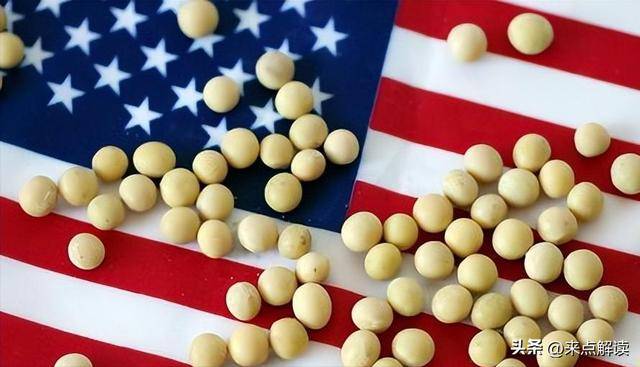
中国不可能低头买美国大豆,看透这一点的美国人,比特朗普拎得清
Sou Hu Cai Jing· 2025-10-29 08:33
Core Viewpoint - The article emphasizes that China is unlikely to yield to pressure from the U.S. to purchase American soybeans, highlighting the ineffectiveness of coercive tactics in international trade relationships [1][10][28]. Group 1: U.S. Soybean Farmers' Perspective - U.S. soybean farmers, like David Brill, express frustration over the lack of Chinese purchases despite a record harvest, indicating that the pressure from the Trump administration is counterproductive [3][12]. - The overflowing inventory of soybeans has led to significant challenges for farmers, with reports of collapsing storage facilities due to excess stock [5][7]. - The disconnect between policymakers and actual farmers is evident, as Treasury Secretary Mnuchin's claims of empathy are seen as insincere given his financial background [9][10]. Group 2: U.S.-China Trade Dynamics - The article outlines that the U.S. has historically attempted to impose its will on China through tariffs and threats, but these strategies have not yielded the desired results [15][19]. - China's ability to source soybeans from other countries like Brazil and Argentina diminishes the U.S.'s leverage in the market [21][23]. - The insistence on coercive measures by the U.S. contradicts the principles of mutual respect and equitable trade, which are essential for long-term cooperation [23][30]. Group 3: Future Implications - The ongoing pressure tactics from the U.S. are likely to harm American interests, including the agricultural sector and national credibility [28][33]. - A shift towards respectful and cooperative dialogue is necessary for resolving trade issues and ensuring the well-being of U.S. farmers [30][32].