
科研仪器开放共享

Search documents
3+9个指标:大型科研仪器开放共享评价考核细则出炉
仪器信息网· 2026-01-20 09:06
Core Viewpoint - The newly revised "Implementation Rules for Evaluation and Assessment of National Major Scientific Research Infrastructure and Large Scientific Instruments Open Sharing" aims to enhance the efficiency of national scientific research resources through systematic evaluation and assessment [3]. Group 1: Evaluation Criteria - The evaluation criteria include three primary indicators: organizational management, operational usage, and sharing services, along with nine secondary indicators [5]. - The assessment will focus on the completeness of the management system, the proportion of instruments included in the national network management platform (open rate), the professional development of the experimental technical team, and the level of online service platform [5]. - Operational usage will be evaluated based on the average effective working hours of the instruments per year, their maintenance status, and their support for major scientific tasks [6]. Group 2: Assessment Process and Results Application - The assessment will combine self-evaluation by the units and expert comprehensive evaluation, verified by objective data from the "National Network Management Platform," with on-site checks if necessary [7]. - The results will be categorized into four levels: excellent, good, qualified, and poor. Units rated as excellent or good will receive supplementary funding, while those rated as poor will face warnings or public criticism and will be required to rectify issues within a year [7]. - Notably, units that receive poor ratings for two consecutive assessments may have some of their instruments reallocated to other units by the competent authorities [7].

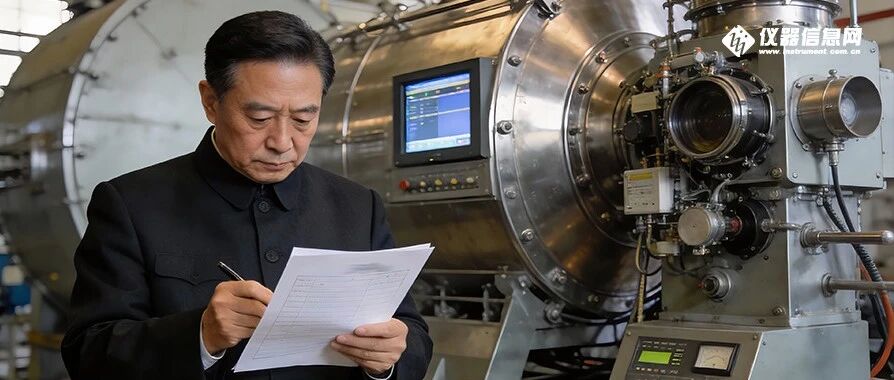
有了你,“妈妈”再也不用担心我用坏几百万的仪器了
仪器信息网· 2026-01-16 09:02
Core Viewpoint - Shandong Province has launched "Dayi Shared Insurance" to provide risk protection for the open sharing of scientific research instruments, reduce usage costs, and promote efficient allocation of technological resources, aiding innovation in small and medium-sized enterprises and the integration of industry and academia [1][2]. Group 1: Implementation and Impact - The first batch of loss compensation insurance for shared scientific research instruments has been officially implemented, with a total insurance coverage of 86.08 million yuan for over 60 large scientific research instruments [2]. - The initiative addresses the high costs associated with the purchase and maintenance of large scientific instruments, alleviating concerns from instrument management units about potential damage during shared use, while also mitigating the high compensation risks faced by users such as small and medium-sized enterprises [4]. - The insurance covers risks related to operational errors, electrical faults, improper installation, design defects, and material quality issues, providing a safety net for the entire process of shared use [4]. Group 2: Benefits and Future Plans - The implementation of Dayi Shared Insurance enhances the willingness of instrument management units to share resources and improves the efficiency and management of equipment, allowing technology-based SMEs to access large scientific instruments at lower costs, thereby stimulating research and innovation [8]. - The provincial government plans to expand the reach of Dayi Shared Insurance by including it in the second batch of "Lu Ke Bao" technology insurance products, allowing all units providing shared services to voluntarily purchase insurance, thus creating a scale effect across the province [6]. - For the first year of purchasing Dayi Shared Insurance, the provincial finance department will subsidize up to 50% of the premium for technology-based enterprises, with subsequent years offering subsidies of up to 30% of the actual premium paid, capped at 300,000 yuan per enterprise annually [6].

一省企业使用科研仪器设备的补助比例将提升至50%
仪器信息网· 2026-01-04 09:27
Core Viewpoint - The revised "Management Measures for the Open Sharing of Major Scientific Research Infrastructure and Large Scientific Research Instruments in Hunan Province" increases the subsidy ratio for enterprises using scientific research instruments from 30% to 50% [2] Group 1: Policy Changes - The new measures enhance incentives for open sharing, raising the subsidy ratio for management units' service income from a maximum of 10% to 20% [2] - The subsidy ratio for university student startups and entrepreneurial teams is significantly increased from 30% to 85% [2] - The revised measures include provisions for incorporating net income from open sharing services into the performance salary dynamic adjustment range for management units [2] Group 2: Infrastructure and Services - Hunan has established a provincial shared service platform for scientific research facilities and instruments, with 708 management units and 10,096 various technology innovation platforms [3] - The platform includes 9,158 sets of research facilities and instruments, valued at over 10 billion, with 6,703 sets funded by government and 2,455 sets purchased with social funds [3] Group 3: University Involvement - The open sharing of research facilities and instruments is now included in the assessment system for universities, enhancing their responsibility and initiative [4] - The platform has registered 7,299 sets of instruments valued at 300,000 or more, with 3,770 sets from universities, accounting for 51.7% of the total [4] - The revised measures aim to strengthen university accountability through assessments, evaluations of new large instruments, and enhanced supervision [4] Group 4: Addressing Concerns - The revised measures address concerns about sharing by establishing a sharing guarantee system, clarifying service fee standards, and promoting specialized sharing service teams [5]

最长闲置超4年!审计局揭“仪器低效现象”
仪器信息网· 2025-12-29 09:03
Core Viewpoint - The audit report from Shenzhen highlights the issue of idle and wasted large scientific research instruments, recommending enhanced sharing mechanisms to improve utilization and efficiency [2][5]. Group 1: Audit Findings - The Shenzhen Municipal Audit Bureau conducted a performance audit on two Sino-foreign cooperative universities and six basic research institutions, focusing on the open sharing and usage of large scientific instruments [2]. - As of the end of 2024, the two universities possessed 212 large scientific instruments valued at 280 million yuan, while the six research institutions had 391 instruments valued at 842 million yuan [2][3]. - The audit revealed deficiencies in the open sharing system, with low sharing rates and inefficient use of instruments leading to waste [3][4]. Group 2: Specific Issues Identified - The open sharing system is not well-established, with one university lacking regulations and another institution failing to implement internal management systems for sharing [3]. - A significant number of instruments were not registered on the municipal sharing platform in a timely manner, with 99.4% of 165 devices at one university exceeding registration deadlines by an average of 307.96 days [3]. - In 2024, one university had 61.83% of its instruments used below the required hours, with some instruments remaining unused for over a year, leading to substantial idle time and asset value loss [4]. Group 3: Recommendations - The audit suggests that relevant authorities should urge institutions and universities to enhance the management of large scientific instruments, establish regulations, and improve information dissemination to increase sharing and usage efficiency [5].
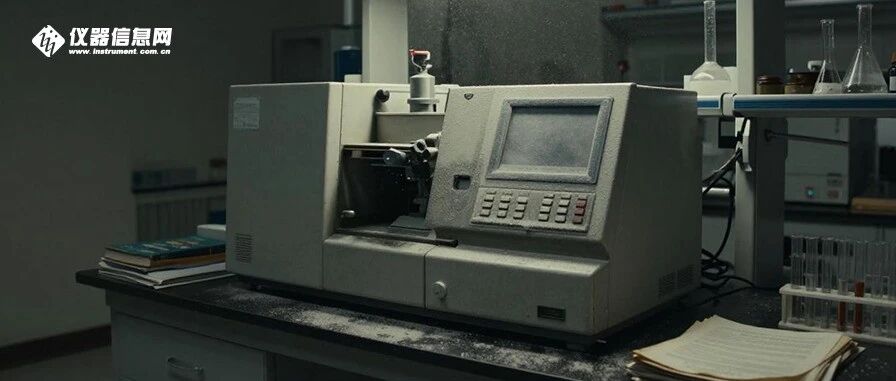
2025年大型科研仪器开放共享成绩单出炉
Ke Ji Ri Bao· 2025-10-11 01:32
Core Insights - The Ministry of Science and Technology released a notification regarding the evaluation results of major scientific research infrastructure and large scientific instruments in central-level universities and research institutes, indicating an increased emphasis on open sharing compared to 2024 [1] Group 1: Evaluation Results - 50 units, including the Institute of Biophysics of the Chinese Academy of Sciences, received an "excellent" rating for their management systems, operational efficiency, and effectiveness in open sharing [1] - 100 units, such as the Subtropical Agricultural Ecology Research Institute of the Chinese Academy of Sciences, were rated "good" for having relatively sound management systems and high operational efficiency [1] - 191 units, including the Shanghai Institute of Organic Chemistry of the Chinese Academy of Sciences, met the basic requirements for open sharing and received a "qualified" rating [1] Group 2: Areas of Concern - 3 units, including the Fifth Research Institute of the Ministry of Industry and Information Technology, were rated "poor" due to inadequate implementation of open sharing responsibilities, incomplete management systems, lack of effective regulations, and low utilization rates of general instruments [1] Group 3: Instrument and Infrastructure Statistics - The average effective working hours for the evaluated scientific instruments was 1,599 hours per year, with a 100% integration rate into the national network management platform [2] - The average external service hours for these instruments was 273 hours per year, indicating a good operational and open sharing status [2] - The 71 major scientific research infrastructures demonstrated significant achievements in supporting national research tasks and promoting industrial technological innovation [2] Group 4: Incentives and Penalties - Units rated "excellent" and "good" will receive recognition and supplementary funding rewards, while those rated "poor" will face public criticism and a one-year deadline for rectification [2] - Failure to rectify issues within the stipulated time will result in a reduction of corresponding funding for the purchase of instruments and equipment [2]