租经济

Search documents
年轻人爱上“租经济”丨生活中的经济学
Xin Lang Cai Jing· 2026-01-11 05:54
Group 1 - The core viewpoint is that the "rent instead of buy" consumption model is gaining popularity among young consumers, reflecting a shift in their consumption values towards flexibility and experience [1][2][4] - The car rental market has seen a significant increase in bookings, with over 40% of users confirming their rental plans a month in advance, and a notable rise in orders for new energy vehicles, indicating a shift in consumer preferences [1][2] - The rental market for high-value items like cameras and drones is thriving, with daily rental prices ranging from tens to hundreds of yuan, allowing consumers to save on upfront costs and avoid depreciation risks [2][3] Group 2 - Young consumers are increasingly making rational purchasing decisions, focusing on the actual usage value of products rather than ownership, which is evident in their preference for renting high-cost, low-frequency-use items [2][3] - The development of a credit system is supporting the rental economy, with third-party credit agencies establishing new credit rules that allow for credit-based rentals instead of traditional deposits [2][3] - The rental economy faces challenges such as balancing credit risk and managing residual value, as well as the need for a standardized residual value assessment system [3]
“以租代买”正成为一种全新的消费风尚——年轻人为何爱上租赁
Sou Hu Cai Jing· 2025-12-02 06:18
Core Viewpoint - The rise of the rental economy in China is transforming consumer behavior, particularly among younger generations, emphasizing experiences over ownership and leading to a significant increase in rental transactions and user engagement [8][12][15]. Industry Overview - The rental economy in China is projected to exceed 4.2 trillion yuan in transaction volume by 2024, marking a 32% year-on-year growth, with over 750 million users served [8]. - Users aged 30 and below account for over 60% of the rental market, with orders from the post-2000 generation doubling year-on-year [8]. Consumer Behavior - Young consumers prefer renting as it aligns with their desire for flexibility and experience, with over 60% of surveyed individuals indicating that rental options better meet their lifestyle needs [13]. - The shift from ownership to rental is driven by a desire for variety and sustainability, with many young people viewing rental as a way to enjoy new experiences without the burden of ownership [12][13]. Market Trends - The rental market is expanding beyond traditional categories like housing and vehicles to include a wide range of products such as clothing, photography equipment, and outdoor gear [10][11]. - Specific rental categories, such as wedding dresses and children's strollers, have seen search volume increases of 109%, 89%, and 165% respectively [10]. Technological Impact - Advances in technology are making the rental process more efficient and user-friendly, with platforms offering transparent pricing and streamlined rental experiences [14][16]. - The integration of digital payment systems and credit scoring is expected to enhance consumer trust and reduce barriers to entry in the rental market [15][16]. Challenges and Solutions - The rental industry faces challenges related to trust and credit, with issues such as deposit disputes and data privacy concerns affecting consumer willingness to engage [15]. - Experts suggest that building a robust credit system and enhancing service standards are crucial for the sustainable growth of the rental economy [15][16].


这一届年轻人,只租不买了
Sou Hu Cai Jing· 2025-10-23 02:26
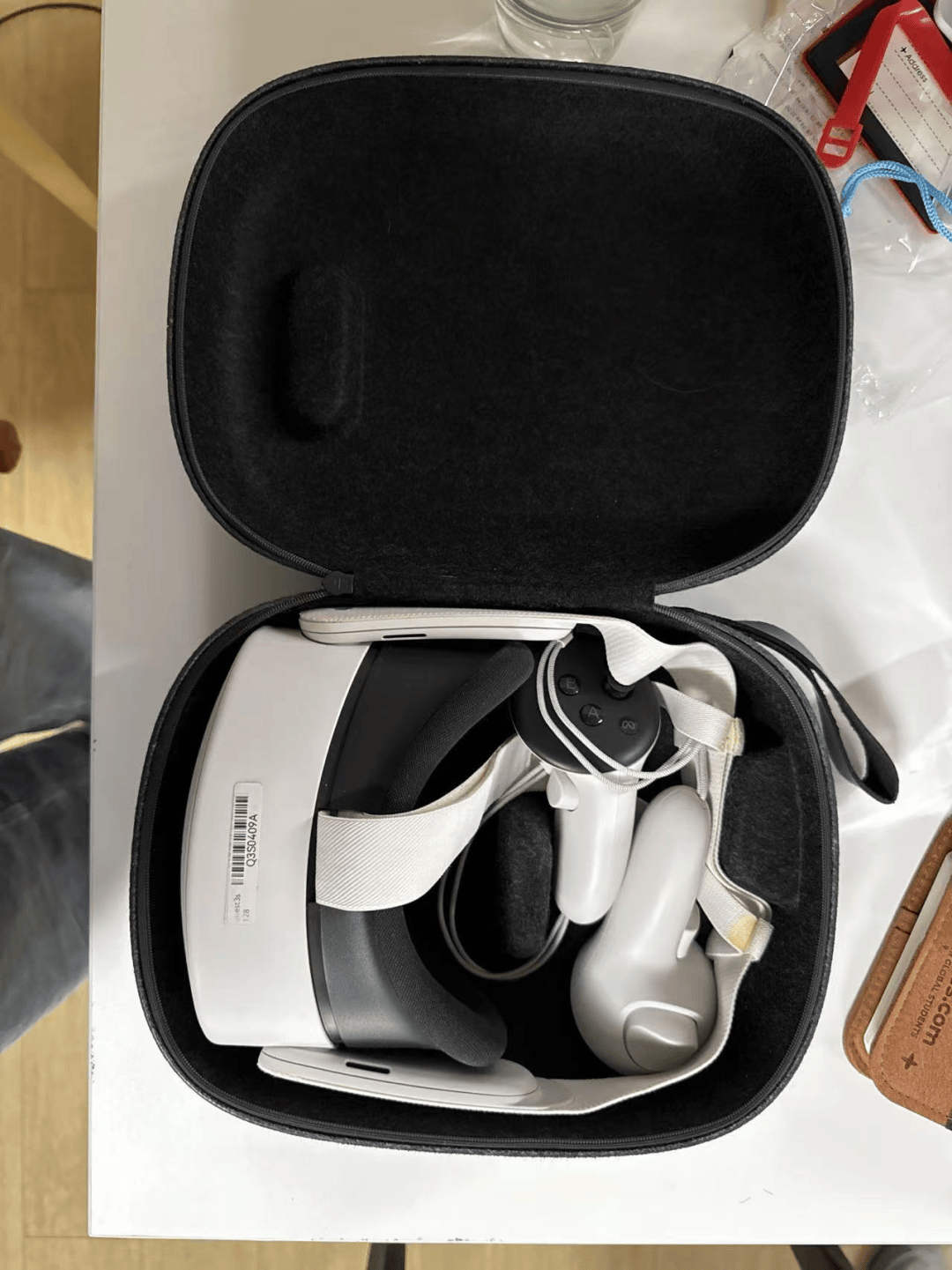
Core Insights - A new consumption philosophy is emerging among young people, prioritizing experiences over ownership, leading to a rise in rental services for various products and services [1][2][3] Group 1: Rental Trends - Young consumers are increasingly opting for rentals to avoid the costs and responsibilities associated with ownership, such as depreciation and maintenance [1][2] - The rental market includes a wide range of products, from electronics like gaming consoles and VR devices to personal services like language tutoring and photography [1][2][3][4] - The concept of "renting everything" allows consumers to maximize their budget for experiences rather than being tied down by physical possessions [1][2][3] Group 2: Consumer Behavior - Young consumers exhibit price sensitivity and a desire to avoid waste, leading them to prefer renting over purchasing [1][2][3] - The rental experience is often seen as a way to enjoy high-quality products without the long-term commitment, as demonstrated by individuals renting items for specific events or short-term use [1][2][3][4] - The trend reflects a shift in values, where the joy of temporary experiences outweighs the need for permanent ownership [1][2][3] Group 3: Market Opportunities - The rental economy is creating new business opportunities, with individuals starting rental services for items like cameras, outdoor gear, and even companionship for events [22][25][40] - Entrepreneurs are capitalizing on the demand for rental services, particularly among students and young professionals who seek affordable access to high-quality experiences [22][25][40] - The growth of the rental market is indicative of broader changes in consumer preferences, emphasizing flexibility and cost-effectiveness in lifestyle choices [22][25][40]