
GoPro运动相机

Search documents
突发!大疆起诉美国FCC
Shen Zhen Shang Bao· 2026-02-24 11:58
Group 1 - DJI has filed a lawsuit against the FCC's decision to include its products on the "Covered List," claiming procedural flaws and lack of evidence regarding national security threats [1] - The FCC's ban has led to a significant market reaction, with a 200% increase in prices for related equipment on second-hand platforms and an 8-fold increase in DJI product sales in a single week [1] - Over 80% of more than 1,800 law enforcement agencies in the U.S. use DJI products, highlighting the company's dominance in the market [2] Group 2 - DJI holds over 70% market share in the global civilian drone market and approximately 70% to 90% in the U.S. consumer, commercial, and government drone markets [2] - DJI's action camera series has surpassed GoPro with a 66% global market share, becoming the leading brand in the action camera market [2] - The company has also achieved a 43% market share in the panoramic camera sector with a single product released 25 years ago [2]
AI Native 的影像公司们,颠覆赛道的机会来了!
Founder Park· 2025-11-16 03:05
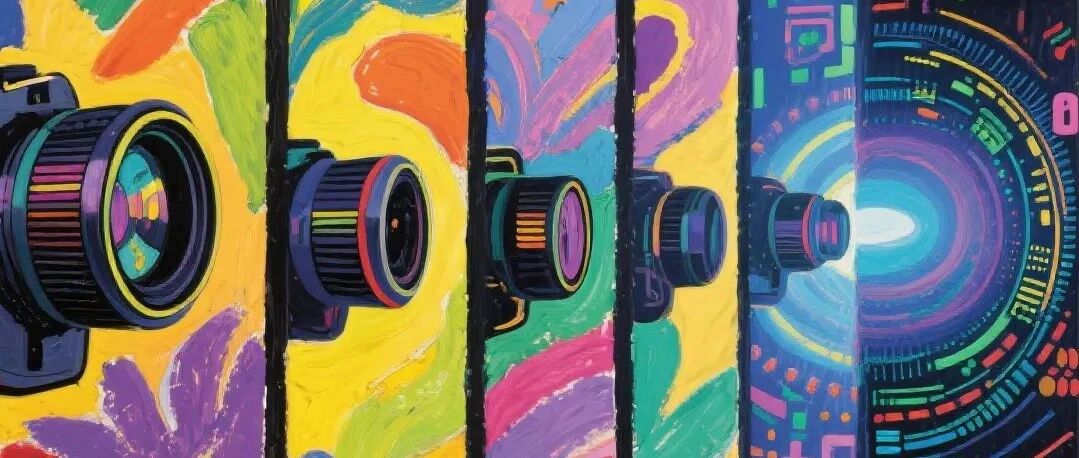
Core Insights - The article discusses the transformative impact of AI on the imaging equipment industry, highlighting a shift from optical dominance to computational capabilities as the primary value driver [4][5][6]. Group 1: Historical Context and Evolution - Over the past 50 years, the balance between optical and computational contributions in imaging has evolved, indicating a new logic for the emergence of successful imaging companies [5][6]. - In the film era, the value of photography was almost entirely determined by optical and mechanical factors, with companies like Leica and Zeiss leading the market [8]. - The advent of digital technology marked the first significant intervention of computation, allowing companies like Canon and Sony to disrupt traditional optical firms by integrating computational elements into their products [8][9]. Group 2: The Role of Computation - Initially, computation served to optimize optical performance and simplify user operations, enhancing the overall user experience and expanding market demand [8][9]. - The true disruption began when computation shifted from merely optimizing optics to defining scenarios and reshaping reality, as seen with companies like GoPro and DJI [9][10]. - DJI's drones exemplify this shift, functioning as advanced computational platforms that deliver unprecedented aerial imaging capabilities [10]. Group 3: New Computational Paradigms - A new computational architecture is emerging, characterized by a combination of on-device processing, lightweight local models, and powerful cloud-based models, enabling unprecedented capabilities in imaging devices [11]. - This evolution allows for real-time AI functionalities and opens up new possibilities for understanding, enhancing, and generating images [11][13][15]. Group 4: Layers of Value Creation - The first layer of value is "understanding reality," where AI enhances the camera's ability to interpret and provide context to images, moving beyond mere recording [13]. - The second layer is "augmented reality," where AI contributes to creative expression and emotional resonance in photography [15]. - The third layer, "generating reality," represents a paradigm shift where images are created through computation rather than traditional optical means, as demonstrated by products like the Paragraphica camera [23][29]. Group 5: Market Opportunities and Future Directions - The potential for new imaging companies lies in leveraging high computational capabilities to unlock previously suppressed market demands, particularly in niche segments [29][30]. - Successful companies will focus on providing exceptional user experiences in specific scenarios, thereby expanding overall market demand [30][33]. - The future of the imaging industry is expected to be shaped by AI-native companies that prioritize innovative product thinking and a deep understanding of user needs [34].


这一届年轻人,只租不买了
Sou Hu Cai Jing· 2025-10-23 02:26
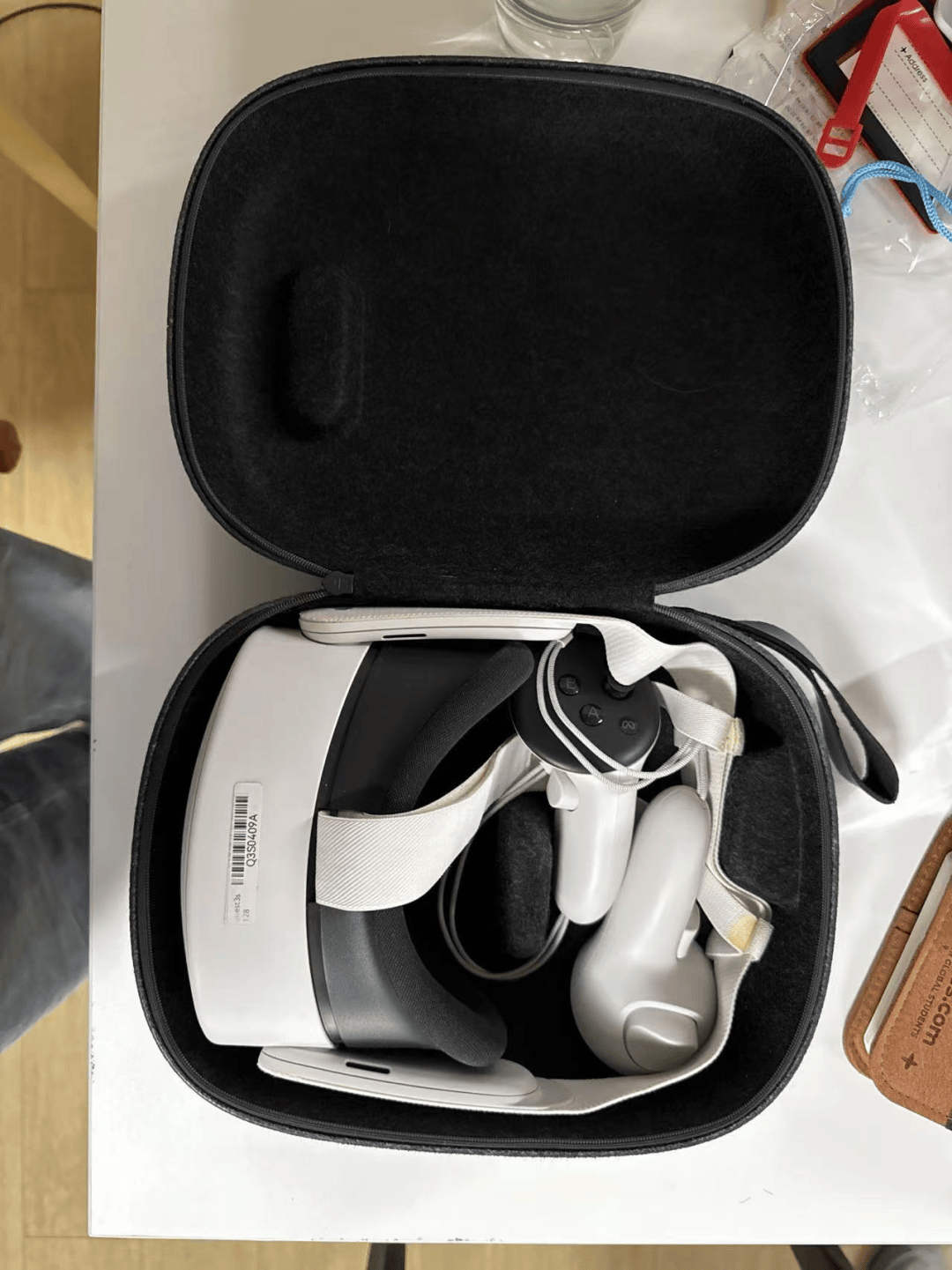
Core Insights - A new consumption philosophy is emerging among young people, prioritizing experiences over ownership, leading to a rise in rental services for various products and services [1][2][3] Group 1: Rental Trends - Young consumers are increasingly opting for rentals to avoid the costs and responsibilities associated with ownership, such as depreciation and maintenance [1][2] - The rental market includes a wide range of products, from electronics like gaming consoles and VR devices to personal services like language tutoring and photography [1][2][3][4] - The concept of "renting everything" allows consumers to maximize their budget for experiences rather than being tied down by physical possessions [1][2][3] Group 2: Consumer Behavior - Young consumers exhibit price sensitivity and a desire to avoid waste, leading them to prefer renting over purchasing [1][2][3] - The rental experience is often seen as a way to enjoy high-quality products without the long-term commitment, as demonstrated by individuals renting items for specific events or short-term use [1][2][3][4] - The trend reflects a shift in values, where the joy of temporary experiences outweighs the need for permanent ownership [1][2][3] Group 3: Market Opportunities - The rental economy is creating new business opportunities, with individuals starting rental services for items like cameras, outdoor gear, and even companionship for events [22][25][40] - Entrepreneurs are capitalizing on the demand for rental services, particularly among students and young professionals who seek affordable access to high-quality experiences [22][25][40] - The growth of the rental market is indicative of broader changes in consumer preferences, emphasizing flexibility and cost-effectiveness in lifestyle choices [22][25][40]
风靡全网的电子茅台,年轻人只租不买?
创业邦· 2025-10-21 10:37
Core Viewpoint - The article discusses the rising trend of renting action cameras among young consumers, highlighting the economic advantages and changing consumer behavior in the context of travel and social media [5][9][28]. Group 1: Renting vs. Buying - Renting action cameras is becoming increasingly popular, with platforms like Xianyu and Aizhuji reporting significant growth in rental transactions, with a 600% increase in rental volume for portable action cameras by April 2025 compared to the previous year [7][10]. - The cost of renting an action camera is significantly lower than purchasing one, with rental prices around 20 yuan per day compared to purchase prices of 2000-3000 yuan [9][10]. - Young consumers prefer renting due to the high frequency of new product releases, making it more practical to rent the latest models rather than buy [9][28]. Group 2: Consumer Behavior and Preferences - Many young consumers, like the interviewee Xiao Yu, find renting more suitable for their needs as it allows them to try different products without the financial burden of ownership [14][16]. - The ease of use and low entry barrier of action cameras compared to traditional cameras make them appealing to non-professional photographers [18][20]. - The trend reflects a broader shift in consumer behavior where convenience and cost-effectiveness drive decisions, especially among younger demographics [25][28]. Group 3: Market Dynamics and Opportunities - The action camera rental market is identified as a new growth area, with significant increases in transaction volumes and demand for popular models [28][29]. - Some entrepreneurs are capitalizing on this trend by establishing rental businesses, with reports of individuals earning substantial income through action camera rentals [29][32]. - The competitive landscape is characterized by rapid product turnover and fluctuating prices, leading consumers to prefer renting over buying to avoid potential losses [25][28]. Group 4: Social Media Influence - The rise of social media has created a culture where capturing experiences is prioritized, leading to increased demand for action cameras as tools for content creation [36][39]. - The phenomenon of "memory externalization" is discussed, where the pressure to document experiences can detract from the authenticity of the experience itself [39].

影石大疆相互“偷家”?
Nan Fang Du Shi Bao· 2025-07-29 23:14
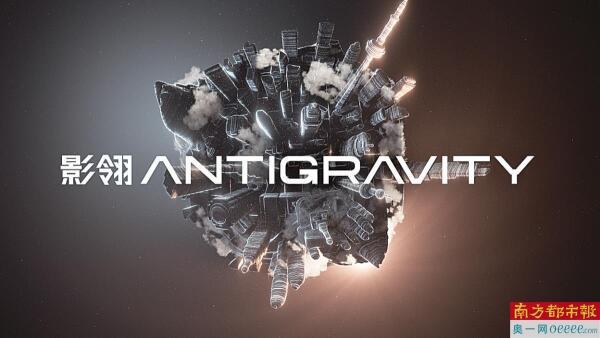
Core Viewpoint - The launch of the "Yingling Antigravity" brand and its first product, a panoramic drone capable of shooting 8K videos, is expected to disrupt the consumer drone market, offering a new flying experience and addressing unmet consumer needs [4][5][6]. Group 1: Product Features and Innovations - The first panoramic drone from Yingling Antigravity can shoot 8K panoramic videos and weighs less than 249 grams, with its product form set to be revealed in August [4][5]. - The drone is designed for ease of use, featuring simplified and intelligent flight controls, allowing users to enjoy immersive flying experiences [6]. - The product aims to bridge the gap between professional pilots and novice users by reducing the complexity of composition, camera movement, and control [6]. Group 2: Market Context and Competition - The consumer drone market has matured over the past 20 years, with DJI holding a dominant position globally [7]. - The entry of Yingling Antigravity, backed by Yingstone, is seen as a challenge to DJI's leadership in the consumer drone market [7]. - The current action camera market is characterized by a "three-legged" competition among Yingstone, GoPro, and DJI, each focusing on different user experiences and product offerings [10]. Group 3: Strategic Vision and Future Plans - Yingling Antigravity's mission is to create a new category of drones and market, driven by a passion for aerial photography and innovation [5][6]. - The company plans to engage users in product co-creation and explore new possibilities in the drone category [6]. - The founder of Yingstone expressed that the competition with DJI is not a zero-sum game but rather an opportunity to stimulate market vitality and innovation [8][10].
从内衣洗衣机到闺蜜机:618国补催生小家电“百亿战场”
Huan Qiu Wang· 2025-06-09 08:54
Group 1 - The core viewpoint of the articles highlights the transformation in the home appliance market driven by young consumers who are increasingly interested in innovative and niche products, moving away from traditional appliances [1][4] - The "618" shopping festival has become a significant platform for testing the synergy between policy incentives and market demand, reflecting the broader trend of consumption upgrades in China [4] - New categories of home appliances, such as baby sterilizers and pet dryers, are gaining popularity, indicating a shift in consumer preferences towards products that offer emotional value and aesthetic appeal [1][2] Group 2 - Data from JD.com shows that during the "618" event, certain categories like bubble water machines and cooling fans experienced a 100% increase in sales, while products like multi-tub washing machines and pet purifiers saw over 500% year-on-year growth [2] - The rise of new brands like Xiaoji demonstrates the trend of young consumers willing to pay a premium for design and functionality, with the "national subsidy" policy significantly lowering their decision-making costs [2][3] - The latest statistics indicate that the nationwide trade-in policy has led to the sale of 77.618 million home appliances, generating over 1.1 trillion yuan in sales, with air conditioners and cleaning appliances becoming competitive focal points [3]