Switch游戏机

Search documents
任天堂前三财季净销售额同比暴增99.3%,Switch 2销量达1737万台
Ge Long Hui· 2026-02-03 07:40
Core Insights - Nintendo reported a significant increase in net sales for the first three quarters of the fiscal year ending December 31, 2025, with a year-on-year growth of 99.3% to 1,905.883 billion yen [1] - The company achieved an operating profit of 300.393 billion yen, reflecting a 21.3% increase year-on-year, and a net profit of 358.863 billion yen, which is a 51.3% increase year-on-year [1] - The net profit margin decreased by 6 percentage points to 18.8% [1] Sales Performance - The Switch 2 console sold 17.37 million units, making it the fastest console to reach 15 million sales [1] - Sales of the original Switch console decreased by 66% to 3.25 million units [1] - Software sales for the Switch 2 reached 37.93 million copies, while sales for the original Switch decreased by 12.1% to 108.93 million copies [1] Future Outlook - For the full fiscal year 2026, Nintendo projects net sales to reach 2,250 billion yen, a year-on-year increase of 93.1% [1] - The company anticipates an operating profit of 370 billion yen, up 30.9% year-on-year, and a net profit of 350 billion yen, reflecting a 25.5% increase year-on-year [1] - Nintendo plans to distribute an annual dividend of 181 yen per share, an increase of 61 yen from the previous fiscal year [1]

游戏机被没收,美国11岁男孩开枪打死父亲
Xin Lang Cai Jing· 2026-01-19 00:41
Group 1 - An 11-year-old boy in Pennsylvania shot and killed his 42-year-old father after the father confiscated his Nintendo Switch gaming console [1] - The incident occurred on the boy's birthday, and he expressed anger towards his father for urging him to go to bed [1] - The boy found the key to a gun cabinet while searching for the confiscated console and subsequently retrieved a firearm, which he used to shoot his father [1] Group 2 - The boy is currently in custody without bail, with a hearing scheduled for January 22 [2]


这一届年轻人,只租不买了
Sou Hu Cai Jing· 2025-10-23 02:26
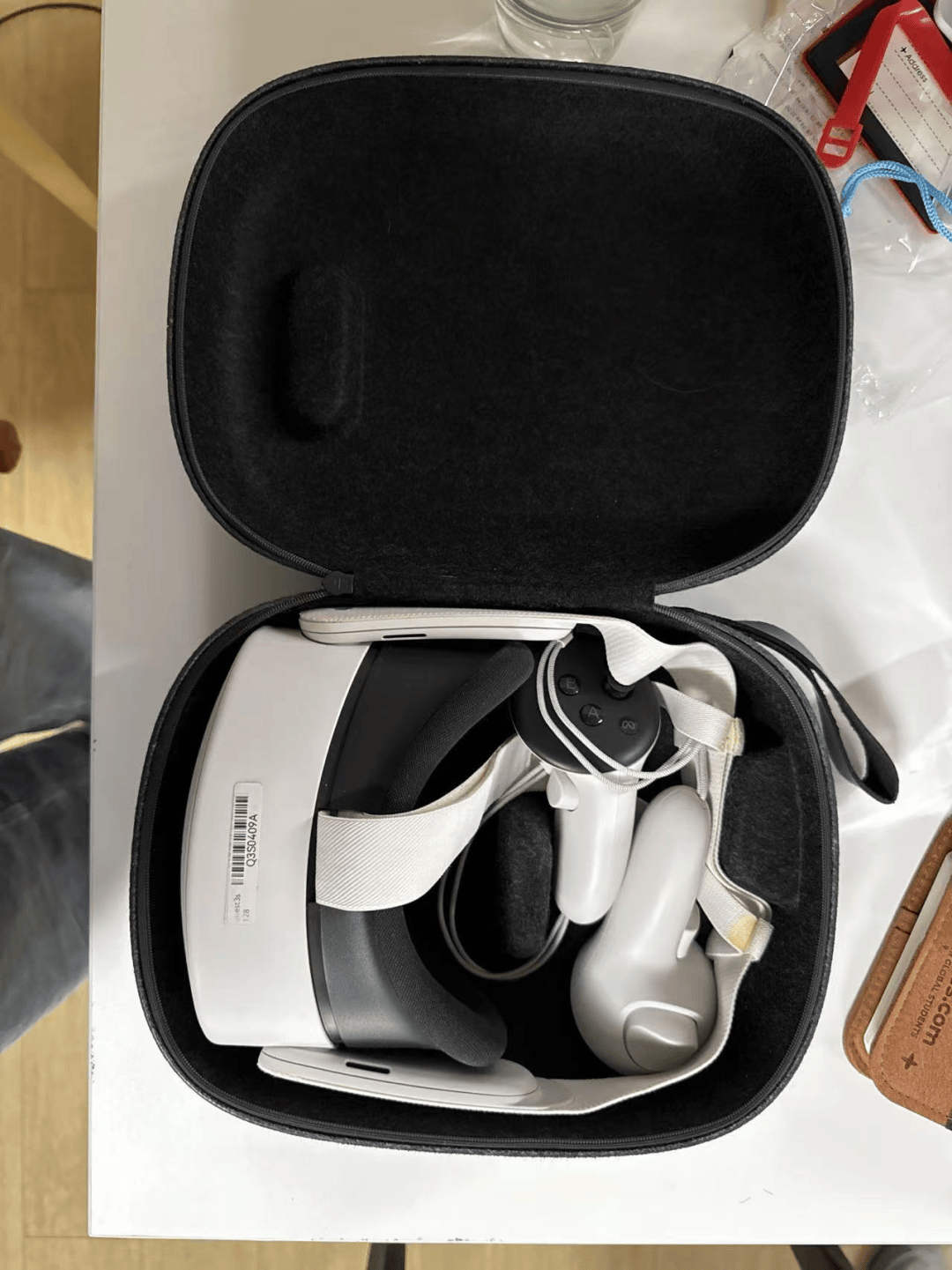
Core Insights - A new consumption philosophy is emerging among young people, prioritizing experiences over ownership, leading to a rise in rental services for various products and services [1][2][3] Group 1: Rental Trends - Young consumers are increasingly opting for rentals to avoid the costs and responsibilities associated with ownership, such as depreciation and maintenance [1][2] - The rental market includes a wide range of products, from electronics like gaming consoles and VR devices to personal services like language tutoring and photography [1][2][3][4] - The concept of "renting everything" allows consumers to maximize their budget for experiences rather than being tied down by physical possessions [1][2][3] Group 2: Consumer Behavior - Young consumers exhibit price sensitivity and a desire to avoid waste, leading them to prefer renting over purchasing [1][2][3] - The rental experience is often seen as a way to enjoy high-quality products without the long-term commitment, as demonstrated by individuals renting items for specific events or short-term use [1][2][3][4] - The trend reflects a shift in values, where the joy of temporary experiences outweighs the need for permanent ownership [1][2][3] Group 3: Market Opportunities - The rental economy is creating new business opportunities, with individuals starting rental services for items like cameras, outdoor gear, and even companionship for events [22][25][40] - Entrepreneurs are capitalizing on the demand for rental services, particularly among students and young professionals who seek affordable access to high-quality experiences [22][25][40] - The growth of the rental market is indicative of broader changes in consumer preferences, emphasizing flexibility and cost-effectiveness in lifestyle choices [22][25][40]
突发!三大科技巨头,加速撤离中国
是说芯语· 2025-10-20 02:18
Group 1 - Major tech giants Microsoft, Amazon, and Google are intensifying efforts to relocate their product manufacturing and data centers outside of China [1] - Microsoft plans to fully transition production of Surface devices and data center servers outside of China by 2026, requiring suppliers to prepare for this shift [2][5] - Microsoft has been moving a significant portion of its server production overseas since last year, aiming for at least 80% of the bill of materials (BOM) to come from outside China [4] Group 2 - Amazon's AWS is also pursuing a strategy to produce servers and AI data center equipment outside of China, considering reducing reliance on long-term PCB supplier SYE [9][10] - Industry insiders note that completely eliminating Chinese suppliers from AWS's supply chain is unrealistic due to their significant role and advantages in technology, quality, and cost [11][12][16] Group 3 - Google is actively expanding its production base in Southeast Asia, specifically requesting suppliers to increase server production capacity in Thailand, where new facilities are being established [16] - Thailand is emerging as a major server assembly hub, with companies like Quanta and Inventec planning to build SMT production lines, including a $25 million investment by Quanta [19] - Vietnam is becoming a key server production base for Foxconn outside of China, while India is also experiencing significant opportunities with Apple's production expansion, which now accounts for about 20% of Apple's global iPhone output [20][22] Group 4 - Southeast Asian countries are enhancing infrastructure investments and offering tax incentives to attract global tech manufacturing shifts [23]




没10万下不来,高考“四件套”掏空家长钱包?
3 6 Ke· 2025-06-26 00:08
Group 1 - The annual college entrance examination season triggers a consumption spree among families, with parents rewarding their children with expensive items and experiences, referred to as the "four essentials" for new college students [1][2] - Parents are spending significant amounts on new electronic devices, travel, beauty treatments, and driving lessons, with some families reporting expenditures of up to 100,000 yuan to celebrate their children's achievements [3][5] - The trend of spending is fueled by social pressure and the desire to keep up with peers, as parents feel compelled to provide their children with the latest gadgets and experiences [1][4] Group 2 - Families are increasingly sharing their spending experiences on social media, leading to a sense of competition among parents regarding how much they spend on their children [1][3] - Some parents are opting for more practical and budget-conscious choices, focusing on their children's needs and preferences rather than indulging in extravagant gifts [6][7] - The trend also includes investments in personal development, such as driving lessons and travel, which are seen as valuable experiences for children transitioning to adulthood [4][9]

“气疯了!”给特朗普投票的美国年轻人开始倒戈:为何牺牲我们?
Guan Cha Zhe Wang· 2025-05-04 15:54
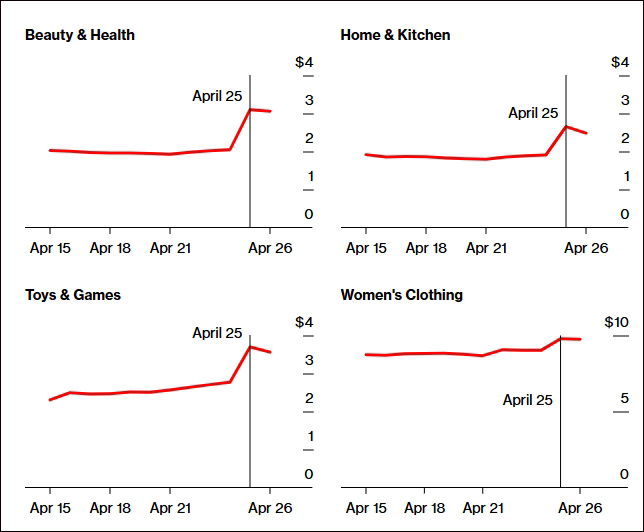
Core Points - The dissatisfaction among young Americans towards Trump's administration is growing, particularly due to trade policies affecting their lifestyle and economic independence [1][2][6] - Trump's trade war, including a 145% tariff on Chinese goods, is seen as detrimental to young consumers who rely on affordable products from platforms like Shein and Temu [2][6][9] - The price increases on goods from Shein and Temu have been significant, with some items seeing price hikes of over 377% [3][5] Group 1: Young Voter Sentiment - Young voters initially supported Trump, with significant increases in support in key states, but this trend is reversing as they express concerns over economic policies [2][6] - A recent poll indicates that 57% of Americans aged 18-29 disapprove of Trump's performance, marking a 14 percentage point increase since he took office [6][10] Group 2: Economic Impact of Tariffs - The tariffs have led to substantial price increases on everyday items, affecting low-income families the most, as they often rely on affordable options from Chinese e-commerce platforms [6][9] - Specific examples of price increases include kitchen cleaning towels rising by 377% and other household items seeing similar spikes [3][5] Group 3: Political Ramifications - The dissatisfaction among young voters could have lasting effects on the Republican Party's performance in the upcoming midterm elections [6][10] - Some young Republicans are voicing their concerns about Trump's trade policies, indicating a potential shift in party dynamics [10][11]