
移动医疗

Search documents
《郑州市中医药发展促进条例》全文公布
Xin Lang Cai Jing· 2025-12-22 23:19
Core Viewpoint - The "Regulations on the Promotion of Traditional Chinese Medicine Development in Zhengzhou" have been approved and will take effect on March 1, 2026, aiming to enhance the development and standardization of traditional Chinese medicine (TCM) in the region [1] Group 1: Support for TCM Development - The regulations support the establishment of regional TCM preparation centers to promote large-scale and standardized development of TCM preparations [1] - Medical institutions are encouraged to create platforms for the transformation of TCM health products, leveraging their professional advantages to develop products related to dietary therapy, cultural creativity, and health care [1] - The regulations advocate for the use of modern information technologies, such as artificial intelligence, to provide integrated online and offline TCM medical services, including telemedicine and mobile healthcare [1] Group 2: Education and Talent Development - Vocational colleges are encouraged to offer TCM-related courses and establish practical teaching bases to cultivate skilled professionals in TCM [1] - Social forces are encouraged to participate in TCM development through donations, funding, and investments [1] Group 3: Regulation of Non-Medical Institutions - Non-medical institutions providing TCM health services are prohibited from engaging in TCM medical activities and must not conduct misleading promotions using TCM theories and terminology [1]
“春雨医生”IPO无望 拟2.69亿元“卖身”
Sou Hu Cai Jing· 2025-12-08 14:14
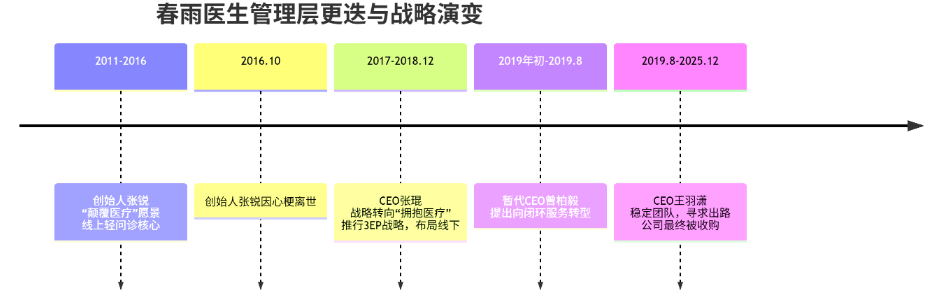
Core Insights - Spring Rain Doctor, once a pioneer in mobile healthcare, sold 78.3% of its shares for 269 million yuan, a quarter of its 2016 Pre-IPO valuation, reflecting the industry's struggles from ambitious beginnings to harsh realities [1][4][12] Company Overview - Founded in 2011 by Zhang Rui, Spring Rain Doctor aimed to provide online consultations, achieving significant user growth and profitability by 2015, with revenues of 130 million yuan and 30 million yuan in profit [1][4] - The company reached a valuation close to 5 billion yuan after a 1.2 billion yuan Pre-IPO round in 2016 [1][4] Leadership Changes - Following Zhang Rui's sudden death in 2016, the company faced strategic confusion and three CEO changes, with attempts to pivot from "disrupting healthcare" to "embracing healthcare" [2][4] - The first CEO change in 2017 did not yield expected results, and subsequent leadership under Zhang Rui's widow failed to reverse declining revenues [4][12] Financial Performance - From 2023 to October 2025, Spring Rain Doctor's revenue halved from 101 million yuan to 51.04 million yuan, with cumulative losses exceeding 35 million yuan [4][12] - By June 2025, user growth stagnated, with registered users at 180 million and contracted doctors at 690,000, showing almost no growth compared to nine years prior [4][12] Industry Context - The challenges faced by Spring Rain Doctor are mirrored in other companies like WeDoctor and Ping An Good Doctor, which also struggle with profitability despite initial success [7][9] - The mobile healthcare sector is characterized by a reliance on limited revenue streams, such as consultation fees and advertising, which are insufficient for sustainable business models [9][12] Market Dynamics - The competitive landscape has shifted, with major players like JD Health and Alibaba Health leveraging their supply chains to create integrated service experiences, leaving independent platforms like Spring Rain Doctor at a disadvantage [11][12] - The initial "traffic logic" of mobile healthcare conflicts with the need for deep, quality-focused service, leading to a focus on rapid scaling rather than sustainable practices [12][14] Future Trends - The industry is transitioning from "online light consultation" to "deep medical technology," with AI and data empowerment emerging as new growth areas [12][14] - There is a trend towards "online-offline integration," with companies exploring models that align more closely with healthcare service requirements [14][15] - Regulatory changes are beginning to favor innovation, with support for AI applications in healthcare, indicating potential for future growth despite current challenges [14][15]

通达电气(603390.SH):不涉及机器人产品的研发或生产
Ge Long Hui· 2025-09-29 08:24
Core Viewpoint - The company is focusing on developing three main product lines in the smart transportation sector and enhancing its capabilities in mobile healthcare services while planning to increase R&D investment for sustainable growth [1] Group 1: Smart Transportation - The company has established three main product lines in the smart transportation sector: intelligent connected systems, electric vehicle motors and thermal management systems, and vehicle-mounted components [1] - The company also offers specialized vehicle modification design and production services [1] Group 2: Mobile Healthcare - In the mobile healthcare sector, the company provides health screening and wellness services through mobile medical vehicles, integrated with a cloud-based platform for remote diagnosis [1] Group 3: Future Plans - By 2025, the company aims to continue focusing on its core business, increasing R&D investment, enhancing product intelligence, and driving technological innovation [1] - The company plans to continuously improve its industrial chain layout in mobile healthcare, passenger vehicles, and specialized vehicles to promote sustainable development of its main business [1]

通达电气助力优质医疗资源下基层 移动医疗新成果获得好评
Zhong Guo Jin Rong Xin Xi Wang· 2025-09-19 06:36
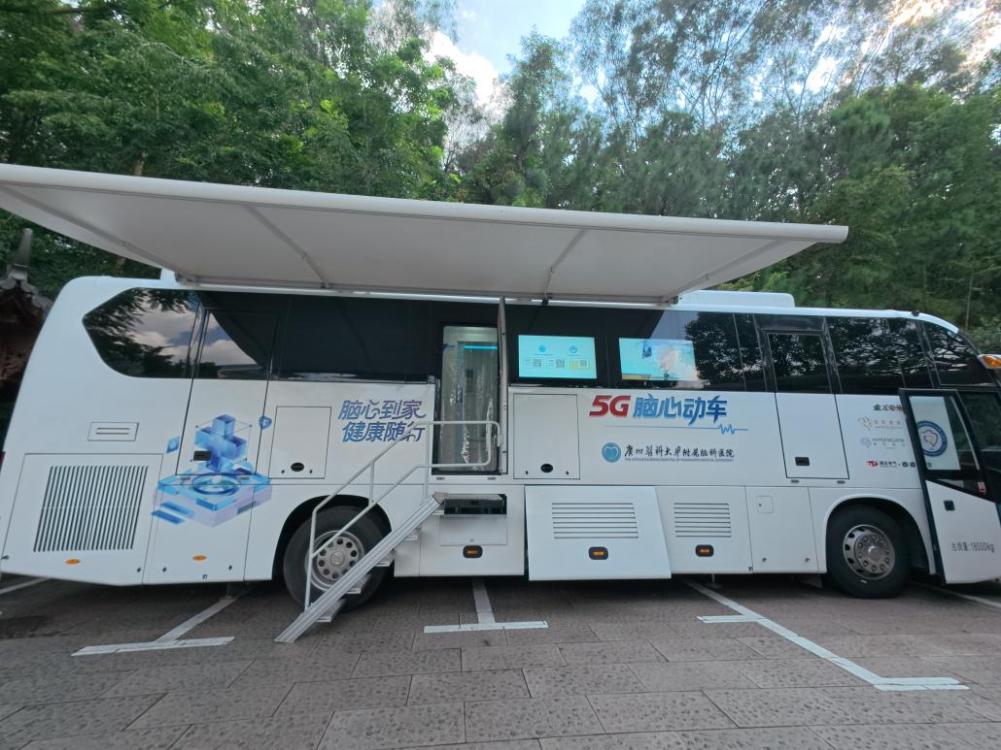
Core Viewpoint - The reform and innovation in the mobile healthcare sector are crucial for promoting the "Healthy China" initiative, with Guangzhou Tongda Automotive Electric Co., Ltd. actively expanding its mobile healthcare business through advanced technologies like 5G and artificial intelligence [1][7]. Group 1: Company Developments - Since entering the mobile healthcare field in 2020, the company achieved significant breakthroughs in 2022 by passing specialized vehicle access reviews [1]. - The company has collaborated with renowned institutions such as Zhongshan Ophthalmic Center and Guangzhou Medical University to develop various mobile healthcare products, including mobile CT examination vehicles and 5G remote DR health check vehicles [1][3]. - The company showcased its latest mobile healthcare innovations, including the 5G intelligent ophthalmic consultation vehicle and 5G brain-heart vehicle, at a recent policy seminar, receiving widespread recognition [1][3]. Group 2: Product Features and Impact - The showcased 5G brain-heart vehicle is equipped with advanced devices for cognitive function assessment and EEG monitoring, targeting service in elder care facilities and enhancing accessibility to health services [3]. - The company has helped over 100,000 individuals achieve early disease intervention and health management through its mobile healthcare products, addressing the imbalance of medical resources between urban and rural areas [7].
三十而立再出发 通达电气如何激活增长新引擎?
Zhong Guo Jin Rong Xin Xi Wang· 2025-09-07 01:54
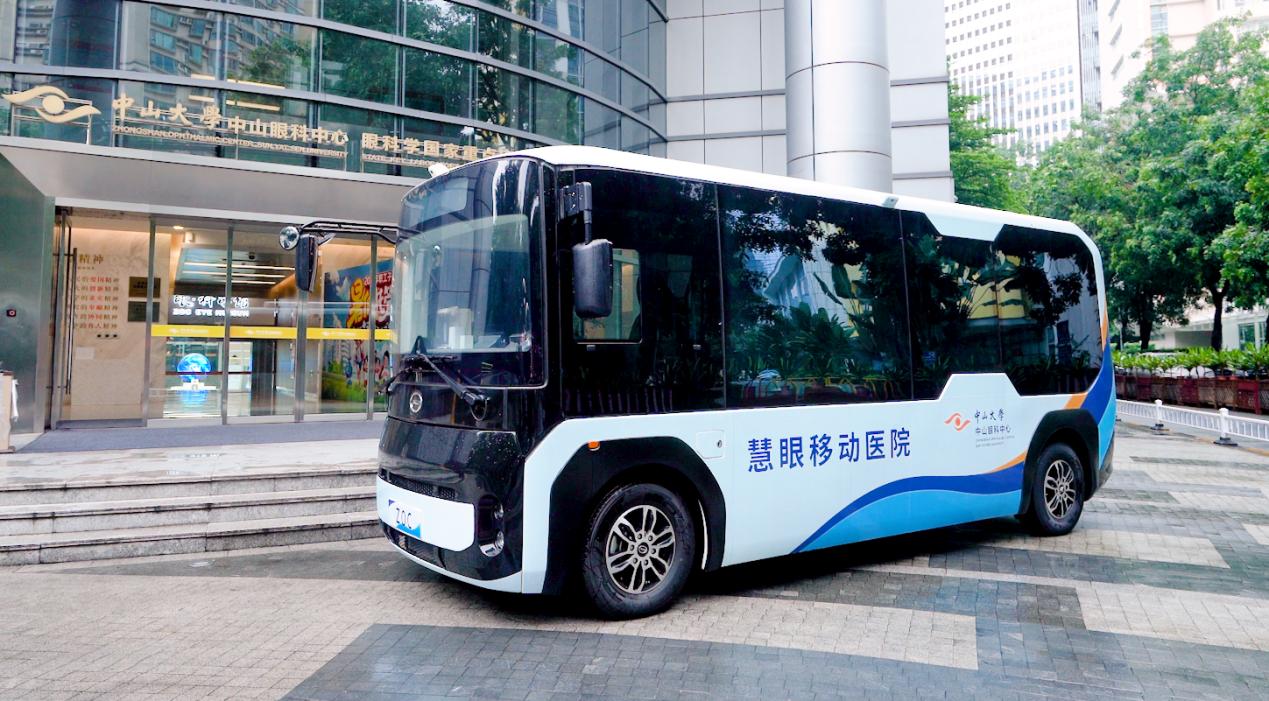
Core Insights - The second-generation "Smart Eye Mobile Hospital" developed by Zhongshan University and Tongda Electric is set to be launched in mid-2025, enhancing access to high-quality eye care services across China [1][3] - Tongda Electric has transitioned from traditional vehicle electrification to mobile healthcare solutions, integrating advanced medical equipment with intelligent services to address uneven distribution of healthcare resources [3][4] Company Developments - Tongda Electric has introduced various mobile medical products, including 5G mobile CT and ophthalmology vehicles, which have already provided early intervention for nearly 100,000 residents [4][6] - The company's mobile healthcare business has shown significant growth, with revenue reaching 18.86 million yuan in 2024, a year-on-year increase of 34.16% [7] Technological Innovations - The integration of automotive technology, such as shock absorption and electromagnetic interference solutions, allows for stable operation of medical devices in mobile settings [4][6] - The company plans to enhance its mobile healthcare offerings by developing specialized vehicles for public health, chronic disease management, and rehabilitation services [9][11] Strategic Goals - Tongda Electric aims to establish five mobile medical service centers in Guangdong by 2025, expanding its reach to cover 300 districts and counties [11] - The company is committed to supporting the "Healthy China" initiative through innovative solutions that bridge gaps in grassroots healthcare [11]
5G脑心动车”广州发布 通达电气助力实现“移动诊疗
Zhong Zheng Wang· 2025-09-02 08:17
Core Viewpoint - The launch of the "5G Brain-Heart Mobile" represents a significant advancement in mobile mental health services, integrating innovative technologies for early screening and intervention in Alzheimer's disease and other mental health conditions [1][2]. Group 1: Product Development - The "5G Brain-Heart Mobile" was developed through collaboration among Guangzhou Medical University, South China University of Technology, and Tongda Electric, showcasing a multi-disciplinary approach in healthcare innovation [1]. - The mobile unit incorporates flexible wearable brain-machine interfaces, a 5G intelligent AI system, and various specialized medical devices, achieving a "mobile diagnosis" capability [2]. Group 2: Application and Impact - The mobile unit is designed for diverse applications, including early screening for Alzheimer's in communities and nursing homes, rapid psychological assistance during emergencies, and mental health services in schools and workplaces [2]. - Experts believe that the "5G Brain-Heart Mobile" could enhance early diagnosis rates for mental health disorders and improve public psychological crisis intervention capabilities [2]. Group 3: Future Prospects - The company aims to leverage its expertise in vehicle electrical systems and intelligent systems to enhance the research and production capabilities of mobile medical units, while continuing to collaborate with professional medical teams [2].
通达电气:上半年净利润劲增122.80%,业绩持续向好
Zheng Quan Shi Bao Wang· 2025-08-27 12:12
Core Viewpoint - Tongda Electric (603390.SH) reported significant growth in its 2025 semi-annual report, with a revenue of 421 million yuan, a year-on-year increase of 68.73%, and a net profit of 31.73 million yuan, up 122.80% [1][2] Group 1: Financial Performance - The company achieved a revenue of 421 million yuan in the first half of the year, reflecting a 68.73% year-on-year growth [1] - The net profit attributable to shareholders reached 31.73 million yuan, marking a 122.80% increase compared to the previous year [1] Group 2: Market and Product Development - The export business in the downstream market has shown continuous improvement, with increased orders from commercial vehicle manufacturers such as truck and bus companies, contributing to revenue growth [1] - The company is enhancing its product technology and optimizing its product structure, leading to a higher proportion of high-value-added products, which significantly boosts net profit [1] Group 3: Strategic Focus Areas - Tongda Electric is focusing on two major sectors: smart transportation and mobile healthcare, particularly in the areas of medium and large buses and urban public transport [1] - The company has developed a comprehensive technology matrix integrating "vehicle-road-field-cloud" to meet the demand for intelligent, green, and integrated urban public transport [2] Group 4: Innovations in Mobile Healthcare - In the mobile healthcare sector, the company has created various 5G-enabled medical vehicles, including comprehensive examination vehicles and mobile PCR laboratories, addressing the uneven distribution of medical resources [2] - Collaborations with top-tier hospitals, such as Sun Yat-sen University Eye Center and Southern Medical University, have been established to develop mobile examination and rehabilitation vehicles [2] - The "Smart Eye Mobile Hospital," co-developed with Sun Yat-sen University Eye Center, was launched in June, aimed at delivering quality eye care resources to grassroots levels [2] Group 5: Future Plans - The company plans to optimize its industrial layout based on existing business and promote continuous upgrades of core products while actively expanding its commercial vehicle, engineering machinery, and mobile healthcare businesses [2]
DocGo (DCGO) FY Conference Transcript
2025-06-09 21:00
Summary of DocGo (DCGO) FY Conference Call - June 09, 2025 Company Overview - **Company**: DocGo (DCGO) - **Industry**: Mobile healthcare and medical transportation - **Core Business**: Provides medical transportation and mobile healthcare services, focusing on bringing care to patients where needed and transporting patients to care locations [4][5] Key Points and Arguments Business Model and Growth - **Medical Transportation**: The company has a robust medical transportation platform, which includes a tech platform that calculates estimated times of arrival (ETAs) for medical transport, having calculated 15 million ETAs last year [5][6] - **Crisis Response**: The company played a significant role during the COVID-19 pandemic and the migrant crisis in New York City, which helped establish its reputation and capabilities [6][7] - **Patient Care**: Over the past ten years, DocGo has cared for 10 million patients, focusing on expanding capabilities in home healthcare and medical transportation [8] - **Revenue Guidance**: The medical transit business is projected to generate $315 million at the midpoint, with growth driven by partnerships with large hospital systems [9][10] Growth Drivers - **Hospital Partnerships**: The company partners with major hospital systems, utilizing its tech platform to manage patient flow and transportation, which has led to organic growth [10][12] - **Market Expansion**: DocGo is expanding geographically, with recent expansions into Chattanooga and Dallas-Fort Worth, and is targeting a growth trajectory of 20% by increasing transit numbers from 575,000 to 700,000 [16][18] - **Service Expansion**: There is potential to deepen relationships with existing hospital systems by offering additional services beyond medical transportation, such as cardiac monitoring and transitional care management [15][19] Market Dynamics - **Fragmented Industry**: The medical transportation industry is highly fragmented, and DocGo's investment in technology allows it to capture market share by providing a more efficient service compared to traditional methods [21][22] - **Predictability in Operations**: The company’s model provides predictability for hospital systems, allowing them to manage patient flow more effectively, which is a significant value proposition [29][27] Financial Performance and Guidance - **Accounts Receivable**: The company has made progress in collecting outstanding receivables, reducing the balance from $150 million to $100 million [67] - **Municipal Revenue**: The company has removed municipal revenue from guidance due to unpredictability but expects to report it separately as it comes in [70][71] Payer-Facing Business - **Care Gap Services**: The company is expanding its payer-facing business by addressing care gaps for patients who are chronically ill and have difficulty accessing care [35][36] - **Patient Engagement**: DocGo has successfully engaged with a growing list of patients, now totaling 900,000, to close care gaps, which is a significant growth opportunity [39][43] - **Revenue Model**: Currently, the company operates on a fee-for-service model, with plans to transition to value-based payments as it establishes a primary care practice [46][44] Operational Efficiency - **Labor Model**: The company employs a unique model where licensed practical nurses (LPNs) are dispatched to patients' homes, directed by centralized healthcare providers, optimizing resource use [61][62] - **Cost Management**: DocGo is rationalizing its SG&A expenses while maintaining capabilities for future growth, particularly in the payer and provider verticals [79][80] Additional Important Insights - **Patient Management**: The company emphasizes the importance of patient bed management for hospitals, which can save significant costs associated with building new capacity [28][29] - **Long-Term Relationships**: DocGo aims to fill the void for patients without primary care providers, establishing long-term relationships where necessary [56][57] - **Future Outlook**: The company is optimistic about its growth trajectory, with plans to expand services and geographic reach while maintaining a focus on operational efficiency and patient care [54][55]
