
稀土供应多元化

Search documents
反稀土联盟出炉?30多国要反卡中国脖子,特朗普如意算盘难落地
Sou Hu Cai Jing· 2026-01-14 14:33
Group 1 - The core focus of the meeting held on January 12 was to discuss how to reduce dependence on Chinese rare earths among G7 finance ministers and representatives from over 30 countries [1][3] - The meeting proposed a range of measures including diversifying supply sources, setting price floors, and providing fiscal subsidies to support local rare earth industries [1][9] - The initiative is perceived as the beginning of a "counter-rare earth alliance" led by the United States, aiming to challenge China's dominance in the rare earth supply chain [1][3][5] Group 2 - The United States aims to reduce reliance on Chinese rare earths, which have been critical for high-tech industries, defense equipment, and renewable energy technologies [5][20] - The proposed measures, such as setting price floors and providing subsidies, may lead to non-market competition and could result in inefficiencies within the industry [11][13] - The operational challenges in establishing a robust rare earth supply chain in the West include environmental regulations, labor standards, and community opposition, which could delay mining projects significantly [13][18] Group 3 - The proposed global cooperation involves a division of roles where the U.S. provides funding and market access, while countries like Australia and Canada supply raw materials, and Japan and Europe contribute technology [16][20] - However, the lack of large-scale processing capabilities in Australia and Canada, along with the reliance on China for critical refining processes, highlights the fragility of this cooperation [16][20] - The high costs associated with environmental and regulatory compliance in Western countries make it difficult to compete with China's established rare earth production capabilities [18][20] Group 4 - The U.S. Treasury Secretary emphasized the need to establish rare earth reserves to mitigate supply risks, particularly in light of potential export restrictions from China [22][24] - Despite the urgency, Western companies currently have limited rare earth inventories, which could lead to supply shortages if China tightens its exports [22][24] - The ongoing geopolitical dynamics suggest that while the U.S. is eager to form a "counter-rare earth alliance," the existing industry structure and China's competitive advantages present significant barriers to change [24][26]

稀土只是前戏!石破茂称:中国手握多张王牌,没有中国就没有日本
Sou Hu Cai Jing· 2025-12-02 10:45
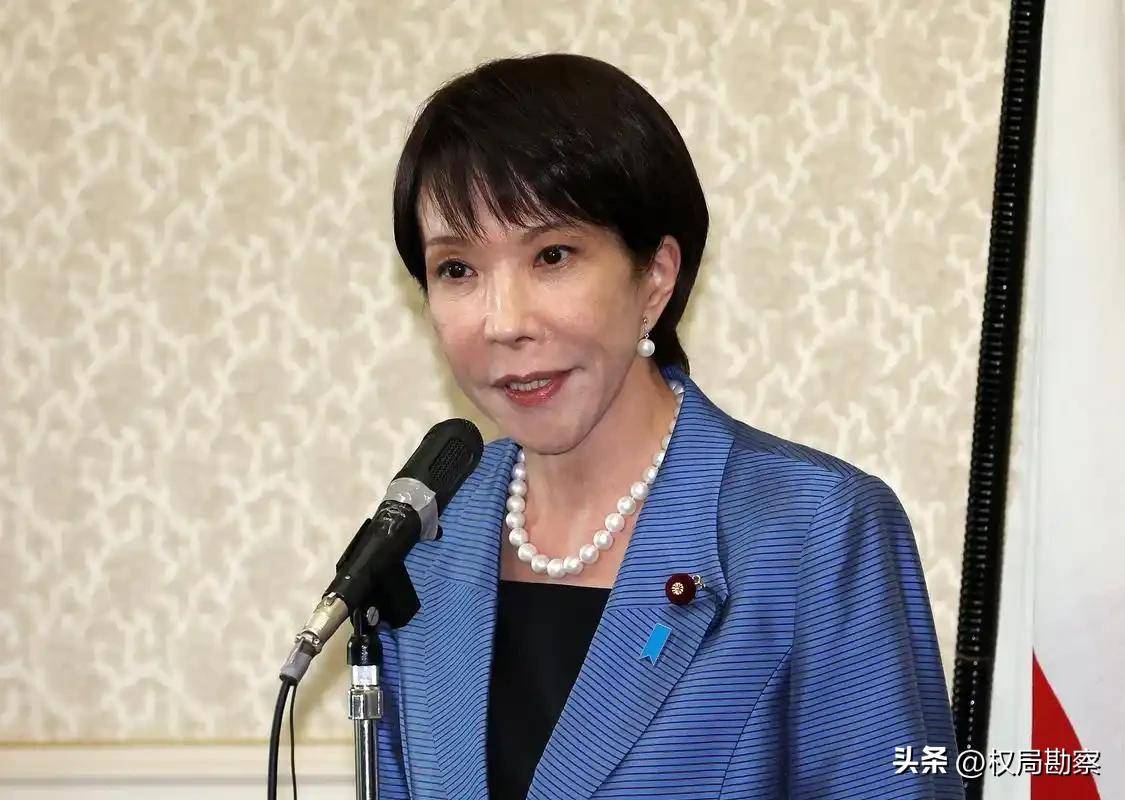
Group 1 - The core issue is Japan's heavy reliance on China for pharmaceuticals, which poses a significant risk if supply is disrupted [3][21][24] - Japan's government, led by Prime Minister Kishi, is attempting to diversify its rare earth supply chains, but this effort is seen as superficial and reactive [10][12][16] - The processing and purification technology for rare earths is crucial, and Japan lacks the necessary capabilities to effectively utilize alternative sources [14][20] Group 2 - Japan's aging population increases the demand for various medications, making the dependency on Chinese pharmaceutical raw materials even more critical [23][24] - The bilateral trade relationship between China and Japan is substantial, with trade exceeding $300 billion, highlighting the interconnectedness of their economies [27] - Continued aggressive policies from the Kishi government could lead to severe economic repercussions for Japan, emphasizing the need for cooperative relations [28]
日本首次从澳大利亚进口重稀土
中国能源报· 2025-10-31 11:05
Core Viewpoint - Japan has begun importing rare earth elements from Australia, marking its first acquisition of this critical resource from outside China, which is seen as a significant step towards diversifying supply sources for economic security [1][2]. Group 1: Import Details - Sojitz Corporation has started importing dysprosium and terbium from the Mount Weld mine in Australia, with these materials processed in Malaysia before being shipped to Japan [1]. - Lynas Rare Earths, the operator of the Mount Weld mine, received an investment of AUD 200 million (approximately RMB 930 million) from a joint venture established by Sojitz and the Japan Oil, Gas and Metals National Corporation (JOGMEC) in 2023 [1]. - Lynas will supply up to 65% of the dysprosium and terbium output from the mine, which corresponds to about 30% of Japan's market demand for these elements [1]. Group 2: Economic Security and Cost Implications - Japan views the diversification of supply sources outside of China as a key aspect of its economic security strategy, given that China currently accounts for nearly 70% of global rare earth production, with heavy rare earths almost entirely sourced from China [2]. - The cost of importing rare earths from Australia and the U.S. is expected to be significantly higher than sourcing directly from China, primarily due to the lower concentration of heavy rare earths in ores and the inefficiencies in mining and transportation [2]. - The price of the heavy rare earths imported by Sojitz from Australia is reported to be higher than that of Chinese products [2].

印度启动本土稀土增产计划
news flash· 2025-07-02 01:39
Core Viewpoint - India is launching a domestic rare earth production plan to reduce reliance on China, with an investment of 35 to 50 billion rupees (approximately 8.4 million to 12 million USD) [1] Group 1: Investment and Financial Commitment - India plans to invest between 35 billion to 50 billion rupees to boost its rare earth production capabilities [1] - The investment aims to enhance India's position as a significant supplier of rare earths outside of China [1] Group 2: Industry Potential and Challenges - India ranks third in the world for rare earth reserves, indicating substantial potential for growth in this sector [1] - To achieve its goals, India must increase funding and accelerate advancements in mining and processing technologies for critical minerals [1]