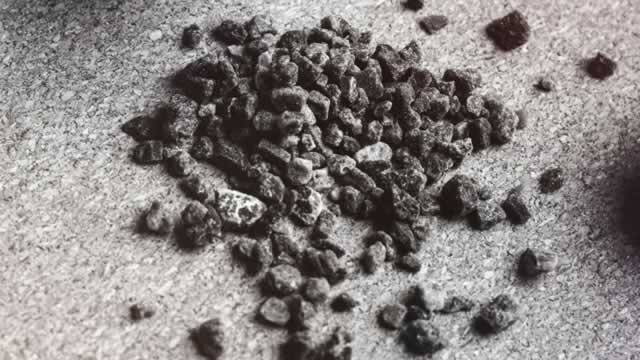
价格下限

Search documents
押注关键矿产,美国召集54国开会,中方作出回应
Sou Hu Cai Jing· 2026-02-07 08:17
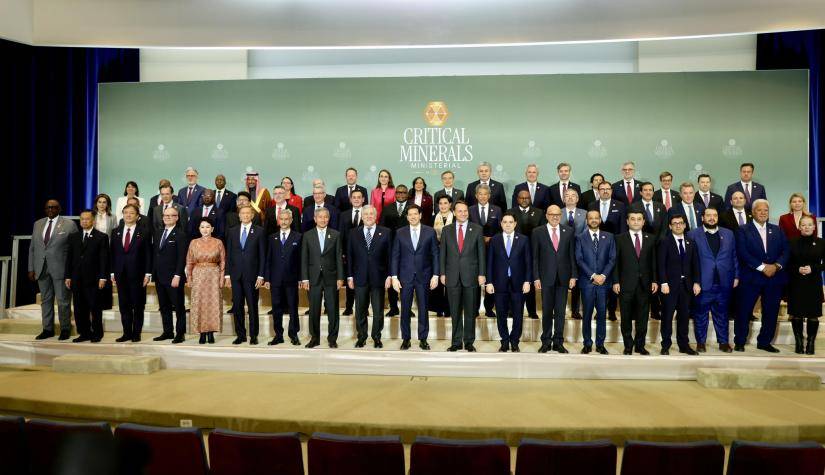
Group 1 - The core focus of the ministerial meeting held in Washington was to coordinate policies among countries to create a diversified, resilient, and secure supply chain for critical minerals [1] - A significant concept introduced at the meeting was the establishment of a price floor for minerals, aimed at preventing low-price dumping by non-market economies, indicating increasing survival pressure on U.S. mining companies [3][5] - The U.S. aims to protect its mining companies by encouraging allied nations to procure resources from a prioritized trade group, which may lead to increased raw material costs for downstream manufacturers like Boeing, GM, and Tesla [5] Group 2 - The meeting featured representatives from over 50 countries, including the EU, Japan, South Korea, and resource-rich nations like the Democratic Republic of the Congo, highlighting a broad international interest in critical minerals [7] - Despite the impressive turnout, there are notable divisions among participants, particularly between the EU and the U.S. regarding trade barriers, which could affect the unity of the proposed trade group [7] - The concept of "decoupling from China" emerged as a central theme, as China dominates the global rare earth market, controlling approximately 60% of mining and over 90% of processing capabilities, posing a significant challenge for the U.S. to establish a competitive supply chain [9]

坚持半年后,美国稀土战略面临失败,美驻华大使责怪中国
Sou Hu Cai Jing· 2026-02-02 07:20
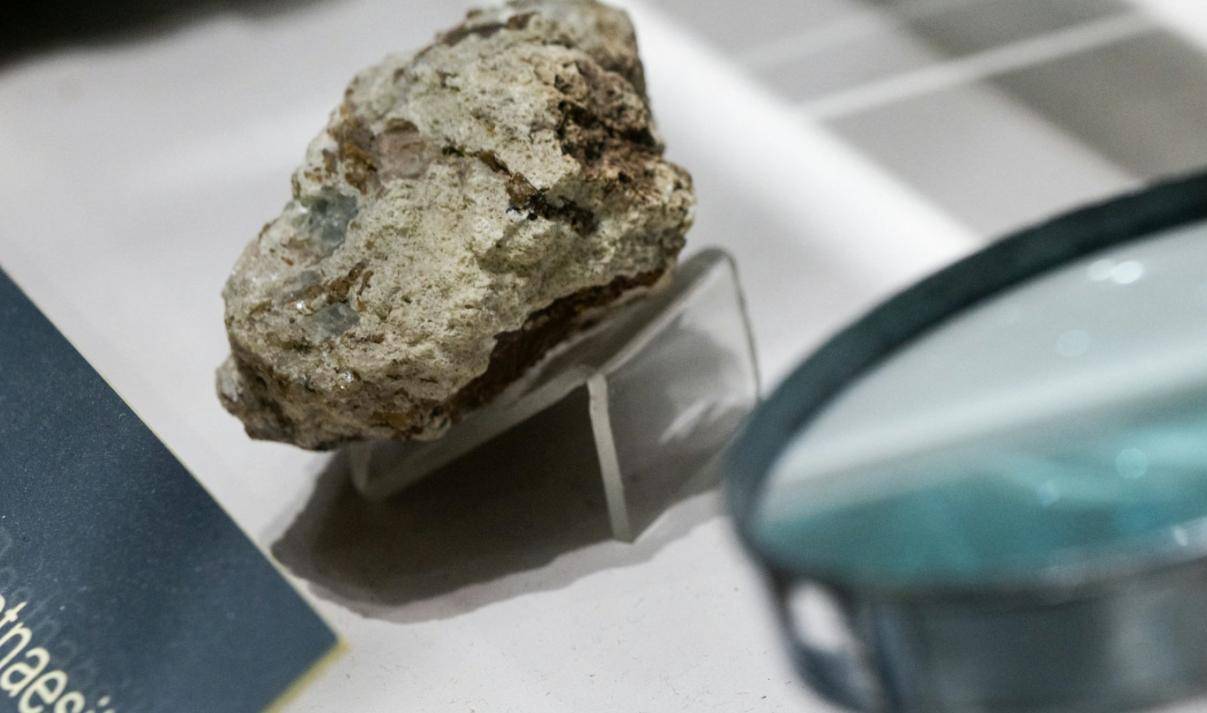
Group 1 - The U.S. has taken measures to reduce its dependence on Chinese rare earth resources, including signing cooperation agreements with countries like Australia and Japan, and implementing various stimulus policies to support domestic rare earth companies [1] - Despite these efforts, the U.S. government has admitted it cannot provide actual support in the rare earth sector, and the plan to set a price floor to support U.S. rare earth companies has been abandoned due to a lack of cost advantages [3][5] - The strategy of setting a price floor was intended to act as a subsidy to protect U.S. rare earth companies from market fluctuations, but it ultimately failed due to the need for long-term government funding and the operational difficulties in establishing a reasonable minimum price [5][6] Group 2 - The U.S. Energy Department has refuted reports regarding the failure of the price floor strategy but has not clarified the specifics of the minimum price issue [8] - The U.S. Ambassador to China has expressed complaints about China's export control measures, which require foreign companies to provide supply chain information, claiming it violates confidentiality obligations [8][10] - The root cause of the rare earth supply difficulties is attributed to the U.S.'s own unfriendly policies, including tariffs and sanctions against Chinese companies, which have harmed bilateral relations [10][12]
180天必须脱钩中国稀土!特朗普发出最后通牒,七国沦为冤大头
Sou Hu Cai Jing· 2026-01-18 19:44
Core Viewpoint - The article discusses Trump's recent "presidential announcement" demanding allies to eliminate Chinese elements from their rare earth supply chains within 180 days, threatening high tariffs and trade barriers if they fail to comply [3][5]. Group 1: Supply Chain Dynamics - Trump has set a strict deadline of July 13 for allies to replace Chinese rare earth elements in their supply chains, emphasizing the urgency of this political maneuver [3][5]. - The U.S. is heavily reliant on imports for critical minerals, with 12 key minerals being 100% imported and 29 minerals having over 50% import dependency, highlighting a significant vulnerability in the supply chain [5][7]. - Despite having domestic resources, the U.S. struggles to utilize them effectively, as most mined materials are sent to China for processing before being sold back to the U.S. [7][9]. Group 2: Economic Implications - The push for a complete supply chain overhaul within six months is seen as unrealistic, with experts suggesting that establishing a stable supply chain independent of China would take at least a decade [9]. - The U.S. Treasury's proposal for a "price floor" on rare earth transactions aims to maintain high prices to support domestic production, which could lead to increased costs for allies like Germany and India [11][13]. - The artificially inflated prices could severely impact industries, particularly in Germany's automotive sector, and place additional burdens on India's economy, which is already facing high tariffs from the U.S. [13][15]. Group 3: Long-term Challenges - The article argues that the U.S. administration's approach to supply chain restructuring is fundamentally flawed, as it overlooks the decades of expertise and technological advancements that China has in rare earth processing [17][19]. - Environmental regulations in Western countries complicate the establishment of new production facilities, making it difficult to shift high-pollution processes to other regions without significant time and investment [19][21]. - The proposed "price floor" contradicts basic economic principles, suggesting that the ultimate burden of these policies will fall on consumers and taxpayers in the U.S. and allied nations, exacerbating inflationary pressures [21].

策略师表示白银前景向好 白银td多头重新显现
Jin Tou Wang· 2026-01-16 06:04
Group 1 - Silver TD is currently trading above 22,604, with a recent price of 22,721, reflecting a 0.52% increase, and has seen a high of 23,110 and a low of 22,040 during the session, indicating a short-term bullish trend [1] - Trump has not imposed tariffs on key mineral imports, including silver and platinum, opting for bilateral negotiations instead, which has led to concerns about increased tariffs causing accumulation of metals in U.S. warehouses [2] - Current silver inventories in warehouses related to NYMEX futures trading stand at approximately 434 million ounces, an increase of about 100 million ounces compared to a year ago when tariffs caused trade disruptions [2] Group 2 - Analysts from StoneX highlight that silver outflows from the U.S. may face obstacles due to its inclusion on Trump's key mineral list, despite the potential for inventory to alleviate other market tensions [2] - The medium-term outlook for silver remains positive, supported by supply shortages, industrial consumption, and spillover demand from gold, although recent price volatility necessitates a cautious short-term approach [2] - Technical analysis indicates that silver TD has ended a week of consecutive gains with a slight decline, currently in a consolidation phase, with support levels identified between 21,500 and 22,000, and resistance levels between 23,500 and 24,000 [3]
特朗普下令:180天打破中国垄断,不然加税
Xin Lang Cai Jing· 2026-01-15 14:44
Core Viewpoint - The United States aims to reduce its dependence on Chinese rare earths by forming alliances, but continues to employ unilateral tactics such as tariff threats and deadlines [1][12]. Group 1: U.S. Policy and Actions - On January 14, President Trump signed a presidential announcement titled "Adjusting the Import of Processed Critical Minerals and Their Derivatives," threatening global suppliers with new trade barriers if they do not negotiate agreements with the U.S. [3][13]. - Trump declared that the U.S. reliance on foreign processed critical minerals poses a "national security threat" [2][14]. - The announcement states that by 2024, the U.S. will fully depend on imports for 12 critical minerals, with 29 others having a net import reliance of 50% or more [4][15]. - The U.S. Department of Commerce concluded that this reliance exposes critical sectors like defense and telecommunications to supply disruptions and price volatility [4][15]. - Trump instructed U.S. Trade Representative Jamison Greer and Commerce Secretary Howard Lutnick to negotiate agreements within 180 days, with a deadline of July 13 [4][15]. Group 2: International Relations and Supply Chain - The announcement did not specify demands to allies but emphasized the need for supply chain diversification away from "dominant and potentially coercive" sources [5][16]. - Measures suggested include enhancing processing capabilities among allies, securing purchasing agreements, and investing in non-Chinese facilities [5][16]. - The G7 finance ministers discussed rare earths, with China controlling over 60% of global rare earth production and 92% of processing [9][19]. - The U.S. and EU are developing emergency plans to enhance local production and diversify supplier networks [9][19]. - The U.S. is increasing cooperation with allies like Australia, Malaysia, Indonesia, and Vietnam to establish alternative supply chains [9][19]. Group 3: Pricing Strategies and Market Impact - The U.S. is considering setting a "price floor" for rare earths, which has raised concerns among G7 and EU members about potential cost increases for manufacturers [10][20]. - The 180-day deadline imposed by the U.S. is seen as direct pressure on the EU and India, both of which are hesitant about the price floor mechanism [10][20]. - China's Ministry of Foreign Affairs reiterated its commitment to maintaining stability and security in the global critical minerals supply chain [10][20].
反稀土联盟出炉?30多国要反卡中国脖子,特朗普如意算盘难落地
Sou Hu Cai Jing· 2026-01-14 14:33
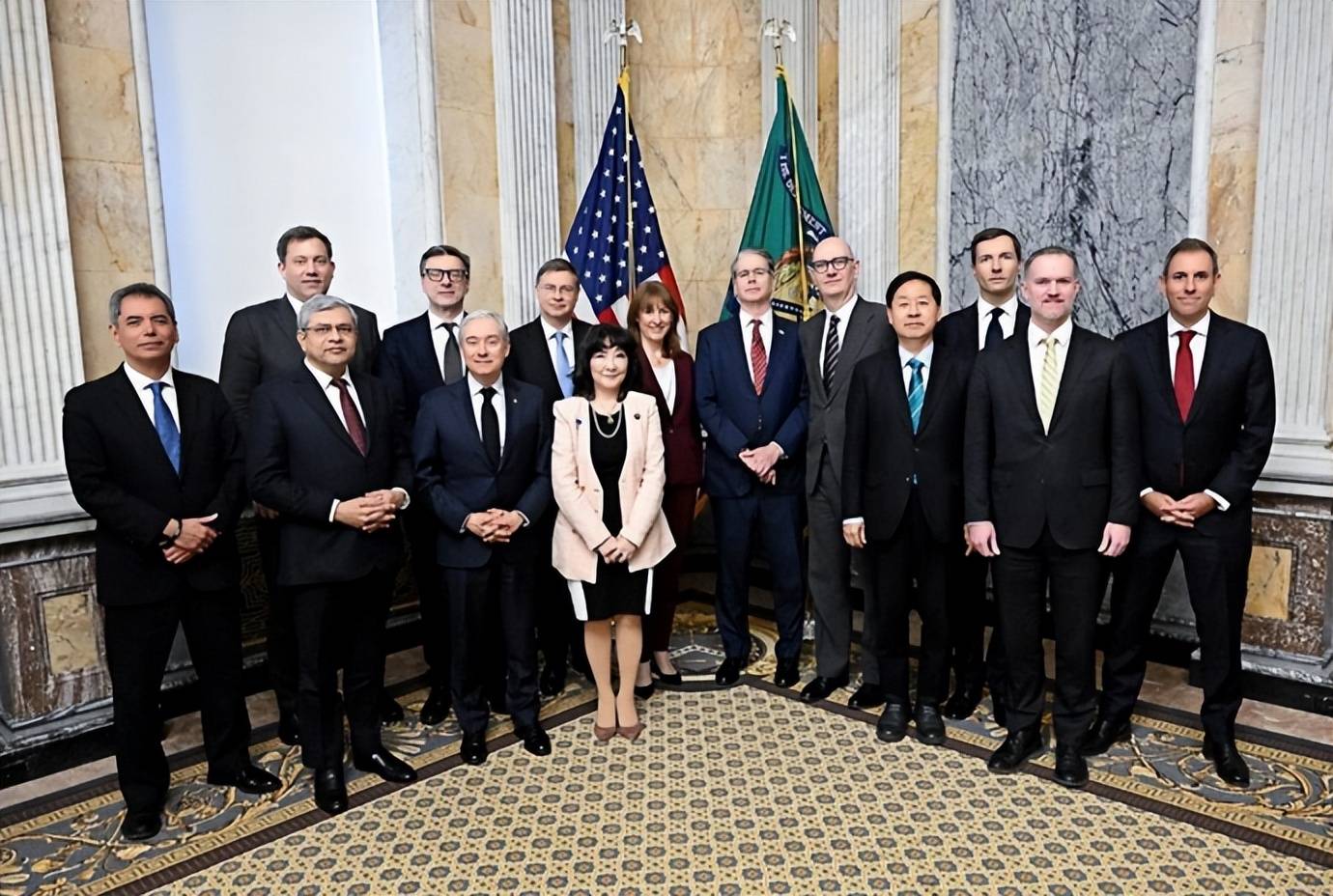
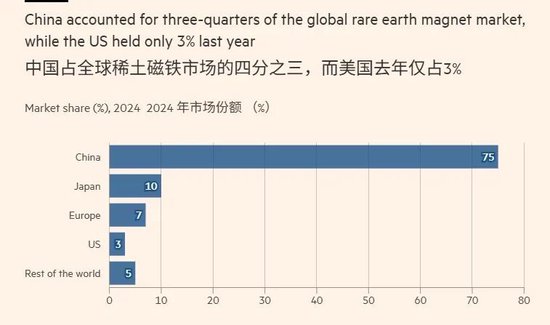
Group 1 - The core focus of the meeting held on January 12 was to discuss how to reduce dependence on Chinese rare earths among G7 finance ministers and representatives from over 30 countries [1][3] - The meeting proposed a range of measures including diversifying supply sources, setting price floors, and providing fiscal subsidies to support local rare earth industries [1][9] - The initiative is perceived as the beginning of a "counter-rare earth alliance" led by the United States, aiming to challenge China's dominance in the rare earth supply chain [1][3][5] Group 2 - The United States aims to reduce reliance on Chinese rare earths, which have been critical for high-tech industries, defense equipment, and renewable energy technologies [5][20] - The proposed measures, such as setting price floors and providing subsidies, may lead to non-market competition and could result in inefficiencies within the industry [11][13] - The operational challenges in establishing a robust rare earth supply chain in the West include environmental regulations, labor standards, and community opposition, which could delay mining projects significantly [13][18] Group 3 - The proposed global cooperation involves a division of roles where the U.S. provides funding and market access, while countries like Australia and Canada supply raw materials, and Japan and Europe contribute technology [16][20] - However, the lack of large-scale processing capabilities in Australia and Canada, along with the reliance on China for critical refining processes, highlights the fragility of this cooperation [16][20] - The high costs associated with environmental and regulatory compliance in Western countries make it difficult to compete with China's established rare earth production capabilities [18][20] Group 4 - The U.S. Treasury Secretary emphasized the need to establish rare earth reserves to mitigate supply risks, particularly in light of potential export restrictions from China [22][24] - Despite the urgency, Western companies currently have limited rare earth inventories, which could lead to supply shortages if China tightens its exports [22][24] - The ongoing geopolitical dynamics suggest that while the U.S. is eager to form a "counter-rare earth alliance," the existing industry structure and China's competitive advantages present significant barriers to change [24][26]
Trump Likely To Invest In More Rare Earths, Bessent Says
Benzinga· 2025-10-15 19:41
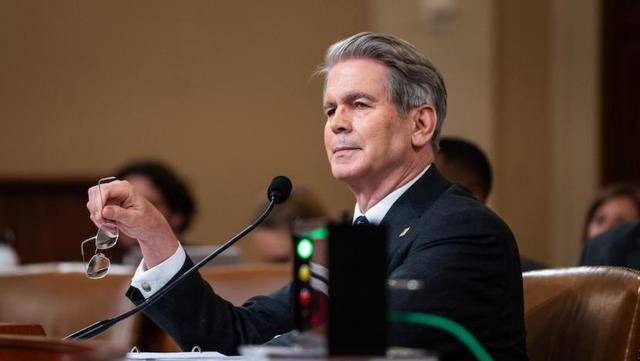
Core Insights - The Trump administration is expected to increase stakes in companies, particularly in strategic industries, following China's rare earth export limitations [1][3] - The U.S. aims for self-sufficiency or reliance on allies in critical minerals due to China's market dominance [2] - Price floors will be introduced across multiple sectors to counteract China's market manipulation tactics [4][5] Company Actions - The administration has already invested in companies such as MP Materials Corp., Trilogy Metals, and Lithium Americas Corp., with potential for further investments [3] - JPMorgan Chase has announced a $1.5 trillion initiative focusing on critical industries, including critical minerals, and is interested in partnering with the administration [6][7] Market Reactions - Rare earth and critical mineral stocks, including Critical Metals Corp. and USA Rare Earth, experienced a pullback after previous rallies [8]