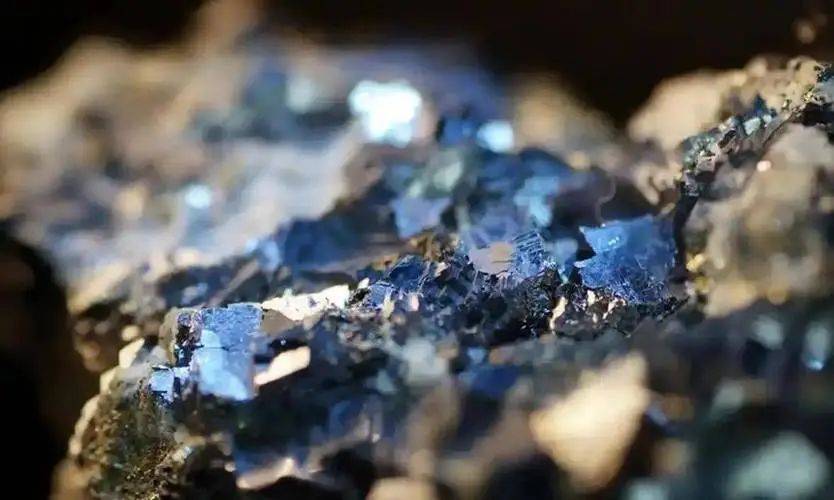
稀土供应链博弈

Search documents
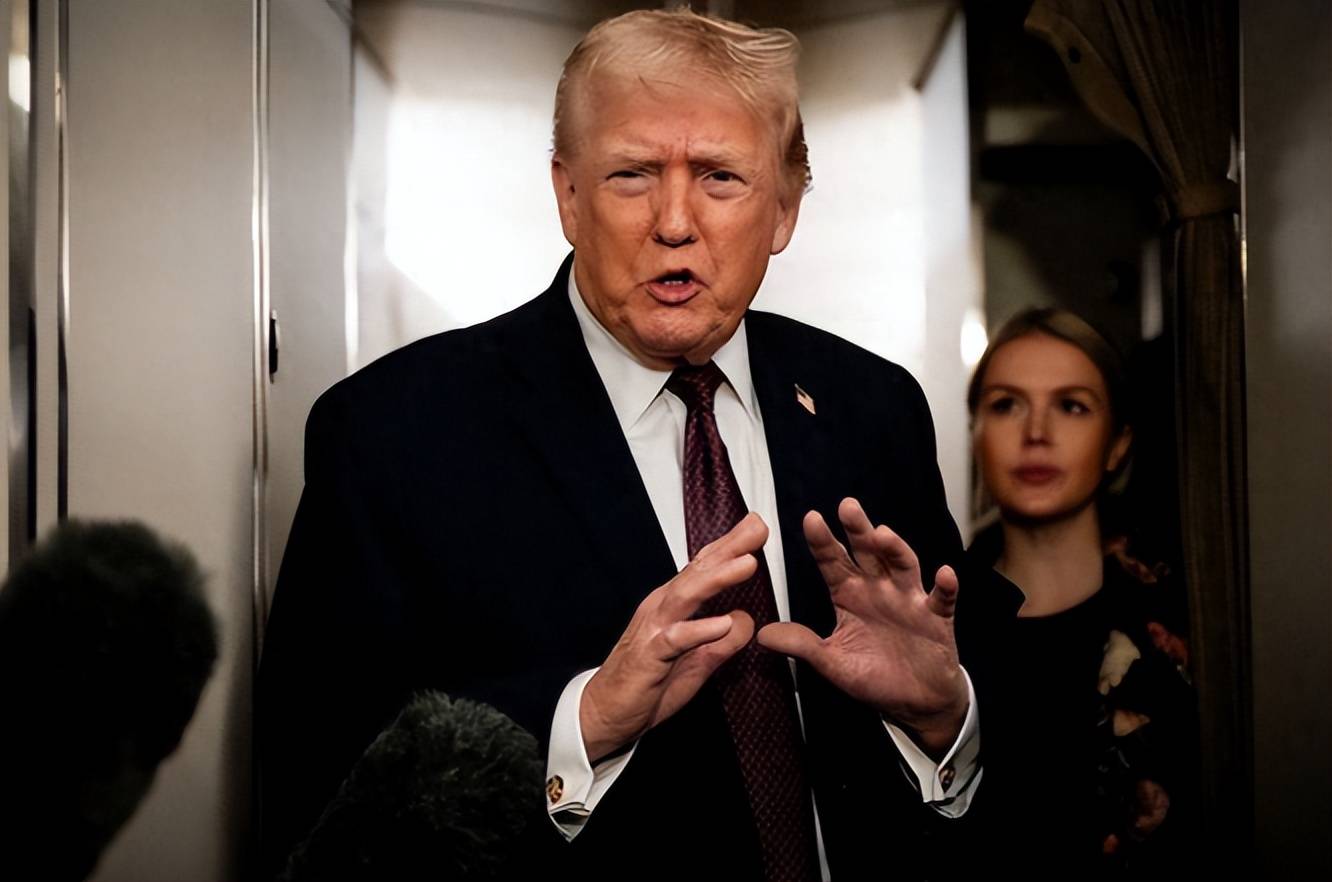
特朗普向全球发通牒:180天内准备对中国稀土动手,不帮忙就加税
Sou Hu Cai Jing· 2026-01-17 12:40
Core Viewpoint - The recent 180-day ultimatum issued by the U.S. regarding rare earth supply chains highlights the ongoing geopolitical struggle, revealing America's dependency on China and its attempts to mitigate this reliance through pressure tactics [1][3]. Group 1: U.S. Rare Earth Dependency - The U.S. imported approximately 400 tons of rare earth metals in 2023, with 70% of these imports coming from China between 2020 and 2023 [7]. - The U.S. is entirely dependent on imports for 12 critical minerals and has over 50% reliance on imports for 29 minerals, indicating significant supply chain vulnerabilities [7]. - In contrast, China holds 4.4 million tons of rare earth reserves, accounting for 36.67% of global reserves, and has developed a complete industrial chain from mining to processing [9]. Group 2: China's Dominance in Rare Earth Processing - China produced over 60% of the world's rare earth minerals in 2023 and controls 92% of the global rare earth processing industry [9]. - This dominance is attributed to decades of technological accumulation and large-scale production, creating a gap that the U.S. struggles to bridge, as U.S. rare earth reserves only account for 2% of the global total [9]. Group 3: U.S. Strategic Moves and Challenges - The U.S. has attempted to establish alternative supply chains, including a 2025 agreement with Australia, but experts suggest that building a substitute supply chain will take at least 10 years [11]. - The U.S. is also trying to rally allies like Ukraine and Russia and has initiated a "Critical Minerals Action Plan" with G7 nations, but domestic production costs remain significantly higher than those in China [13]. - The ultimatum is seen as an escalation of pressure due to previous failures in establishing a reliable supply chain, with plans to impose a "price floor" that could increase manufacturing costs for allies [13][15]. Group 4: Implications for Global Supply Chains - The proposed "price floor" could lead to increased manufacturing costs, hindering economic recovery for allied nations, with significant differences in positions among countries like the EU and India [15]. - U.S. domestic industries, including automotive and defense, heavily rely on Chinese rare earth products, and the imposition of tariffs could lead to price volatility that negatively impacts these sectors [17]. - The ultimatum is perceived as a political maneuver ahead of midterm elections, with the underlying complexities of the global rare earth supply chain suggesting that administrative orders alone cannot easily reshape established market dynamics [19][21]. Group 5: Future Outlook - Historical attempts by the U.S. to decouple from China in sectors like semiconductors and energy have yielded limited success due to high replacement costs, indicating that the rare earth sector may face similar challenges [21]. - The stability of the rare earth supply chain is crucial for global industrial collaboration, and unilateral sanctions or "small circle" operations could ultimately harm all parties involved, exacerbating U.S. strategic anxieties [23].


稀土战开打!美凑八国组局绕开中国,俄罗斯警告,中国淡定破局
Sou Hu Cai Jing· 2025-12-15 04:45
Group 1 - The core point of the article is that the United States has formed a coalition with eight countries to establish a new rare earth supply chain, aiming to reduce dependence on China and enhance geopolitical leverage [1][4][6] - The participating countries include Japan, South Korea, Singapore, Australia, Israel, the UK, the Netherlands, and the UAE, each selected for their unique contributions to the supply chain [1][3] - Australia and the UAE are highlighted for their resource wealth and investment in new energy and minerals, while Japan and South Korea are recognized for their technological capabilities in processing and manufacturing [1][3] Group 2 - The U.S. strategy is characterized by a "binding" approach rather than forming traditional alliances, leveraging the unique strengths of each country while ensuring they remain dependent on U.S. support [1][3] - Japan's position is precarious as it may perceive U.S. support as a safety net, but this comes with the cost of reduced diplomatic autonomy and increased pressure to align with U.S. strategies against China [4][6] - The article emphasizes that while the U.S. aims to create an alternative supply chain, China's dominance in the rare earth market remains unchallenged in the short term, highlighting the complexities of global supply chain dynamics [6][8] Group 3 - China's response to the U.S. coalition is calm, asserting that the restructuring of supply chains through political means is against market principles and poses risks to global stability [6][8] - The article suggests that the ultimate competition in the rare earth supply chain will be a battle of public sentiment and time, with the U.S. coalition's sustainability being questioned [8] - The narrative indicates that Japan's role in the U.S. strategy is significant but comes with high costs, as it may become a pawn in the broader U.S.-China geopolitical contest [6][8]
四国联手在华盛顿搞稀土,中国反手放大招,看谁敢动一下
Sou Hu Cai Jing· 2025-07-07 05:05
Core Viewpoint - The establishment of a rare earth supply chain by the US, Japan, Australia, and South Korea aims to challenge China's dominant position in the rare earth market, which is characterized by China's near-monopoly on critical minerals [1][5]. Group 1: Rare Earth Supply Chain Development - The four countries signed a memorandum to collaborate in breaking China's near-monopoly in the rare earth sector, which is crucial for various technologies [1]. - A leaked document from the White House identified 35 minerals as "critical," with all important rare earth elements included, highlighting China's significant role in the global supply chain [1]. Group 2: China's Response and Production Control - In response to the memorandum, China's Ministry of Natural Resources and Ministry of Industry and Information Technology announced a 7.2% increase in the total control indicators for rare earth mining and separation for 2024, marking the largest annual quota increase in 29 years [1]. - Historically, annual quota increases have been around 10%, indicating a strategic move to consolidate China's dominance in the rare earth market [1]. Group 3: Challenges Faced by Allies - Australia's Lynas Corporation faces ongoing environmental issues and lacks key technology patents, which hampers its ability to compete with China [3]. - The US's Mountain Pass mine primarily relies on shipping rare earth concentrates to China for processing, with domestic processing costs being over twice that of Chinese companies [3]. Group 4: Technological and Economic Barriers - China holds the majority of advanced rare earth separation and purification patents, creating significant barriers for Western companies attempting to process rare earths independently [3][5]. - Approximately 97% of global rare earth refining capacity is located in China, meaning that even if Australia increases its mining output, most of the extracted materials will still need to be processed in China [3]. Group 5: Strategic Implications - China's ability to control production quotas and its recent termination of special export management clauses from its WTO accession agreement enhance its leverage in the global rare earth market [5]. - The complete supply chain from mining to magnet production gives China a competitive edge, with production costs for key rare earth materials being 30%-40% lower than those of competitors [5][7]. - Establishing a comparable rare earth refining capacity in the West could take over 15 years and require substantial investment, further solidifying China's strategic advantage [5].