稀土资源保护

Search documents
中国下达禁令后,担忧的事发生?“两个内鬼”终于被曝光,4000吨稀土已被转运美国!
Sou Hu Cai Jing· 2025-08-21 07:17
Core Viewpoint - China has implemented a significant ban on the export of hard rare earth materials such as gallium, germanium, and antimony to the United States, with strict penalties for any organization or individual involved in the transfer of these materials to the U.S. [1] Group 1: Export Ban and Circumvention - Despite the ban, Thailand and Mexico have become key transit points for rare earth exports to the U.S., with their combined exports surpassing the total of the past three years from 2023 to April 2024 [3] - The amount of antimony exported from Thailand and Mexico to the U.S. has reached over 3,800 tons, significantly exceeding the total U.S. imports of antimony over the past three years [3] Group 2: U.S. Demand and Procurement Strategies - U.S. buyers are collaborating with logistics companies in Thailand and Mexico to purchase large quantities of rare earths, which are then repackaged and disguised as other metals or crafts for export to the U.S. [3][4] - A U.S. company executive revealed that they procure 200 kilograms of rare earths monthly through these methods, highlighting the strong demand for rare earths in the U.S. market [4] Group 3: China's Response and Regulatory Measures - China has heightened its scrutiny of rare earth exports, particularly in response to the significant imports of antimony by Thailand and Mexico, which are suspected to be sourced from Chinese materials [4] - A new traceability mechanism has been introduced by China to monitor the flow of rare earths from export to usage, ensuring strict regulation at every stage [4] Group 4: Strategic Importance of Rare Earths - The strategic importance of rare earths is underscored by the fact that the U.S. military relies heavily on these materials for key components in weapons systems, with significant quantities required for advanced military technology [5] - Despite having rich rare earth resources, the U.S. faces challenges in commercializing these due to a lack of suitable mining and refining facilities [5] Group 5: International Resource Competition - The competition for rare earth resources is intensifying globally, necessitating China to strengthen its protective measures and enforce strict policies to prevent illegal transfers [7] - China aims to maintain its resource advantages and ensure that its interests are not compromised in the international resource competition [7]

中国稀土被盗,国安部公布重大发现,抓获一批内鬼,美国毫无下限
Sou Hu Cai Jing· 2025-07-22 06:07
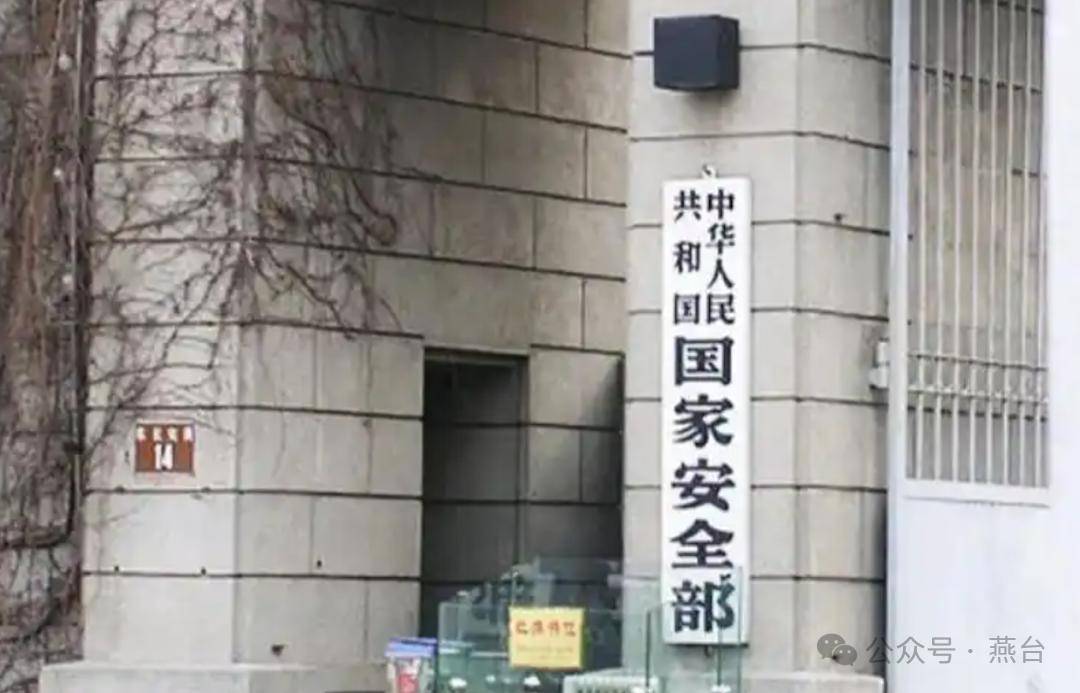
Core Viewpoint - The recent announcement by the National Security Department reveals that China's rare earth resources have been secretly stolen, involving internal traitors, which has sparked widespread discussion [1] Group 1: Rare Earth Resources and National Security - Rare earth elements are crucial strategic resources for China, and their theft is unacceptable [1] - The announcement indicates that a foreign country, likely the United States, is attempting to illegally acquire China's rare earth resources due to its insufficient refining technology [3] - The U.S. is heavily dependent on China's rare earths, and as its own stockpiles dwindle, it has resorted to desperate measures to secure these resources [3] Group 2: Methods of Theft - The U.S. has employed various illegal methods to steal rare earths, including misreporting controlled rare earths as non-controlled goods [3] - High-purity rare earths are being disguised as low-value products to evade scrutiny [3] - Rare earth powders have been mixed into everyday items like tiles and bottled water to avoid detection [3] - Rare earths are also being processed into alloy parts and exported among normal goods [3] Group 3: Internal Betrayal and Response - The involvement of internal traitors in aiding the U.S. in rare earth smuggling is a significant concern [5] - The National Security Department has taken measures to cut off identified smuggling channels and encourages public vigilance [5] - The seriousness of the situation is underscored by the involvement of national security agencies, indicating that this is not just an economic crime but a matter of national security [5] Group 4: International Relations and Reactions - Recent transactions from Thailand and Mexico to the U.S. involving approximately 3,834 tons of antimony oxide have raised concerns, as this volume exceeds the total of the past three years [9] - The U.S. actions reflect its inability to resolve its rare earth issues independently, leading to reliance on underhanded tactics [9] - The international community is gaining a clearer understanding of the U.S.'s true nature, contrasting its self-proclaimed image of justice and rule-following [9] Group 5: Collective Responsibility - Protecting rare earth resources is deemed a collective responsibility of all Chinese citizens [11] - Unity is emphasized as essential to safeguarding national strategic resources against external threats [11] - There is an expectation for legal consequences for those involved in smuggling and harming national interests [11]

稀土虽小关乎国运,看中国如何打赢这场没有硝烟的战争!
Sou Hu Cai Jing· 2025-07-20 06:41
Group 1 - China's strict control over rare earth resources has effectively targeted the industrial lifelines of certain countries, particularly impacting the high-tech sectors of the US and Western developed nations [1] - Despite agreeing to resume civilian rare earth supplies to the US within six months, China has set clear boundaries, allowing only compliant civilian exports while maintaining strict controls on military applications [1][2] - The introduction of a tracking system for the rare earth magnet industry requires producers to submit real-time data on transaction volumes and customer names, raising concerns among Western companies about the implications for the global supply chain [1] Group 2 - The concept of "rare earth weaponization" has emerged in Western media, highlighting the strategic importance of rare earth elements in defense, aerospace, electronics, and renewable energy sectors [2] - Rare earth elements are critical for military applications, such as precision-guided missiles and stealth aircraft, making their control a matter of national security for China [2][6] - There are ongoing attempts by foreign entities to bypass China's export controls, with reports of organized efforts to illegally transport rare earths out of the country [2][4] Group 3 - Smuggling methods for rare earths have become increasingly sophisticated, with criminals disguising high-purity rare earths as low-value products to evade export controls [4] - The Chinese government has launched a series of actions to combat rare earth smuggling, successfully disrupting multiple illegal channels and demonstrating its commitment to resource security [6] - Protecting rare earth resources is viewed as a long-term systemic project, requiring collaboration among various government departments to ensure comprehensive protection from source to endpoint [6][8] Group 4 - The strategic significance of protecting rare earth resources has grown amid increasing global resource competition, with a shift from resource advantages to industrial chain advantages in China's rare earth industry [9] - The importance of public participation in reporting suspicious smuggling activities is emphasized, as community vigilance can contribute significantly to national security efforts [8][9] - The ongoing battle for rare earth resources is framed as a crucial aspect of national destiny and future development, underscoring the need for collective action to safeguard these vital materials [9]