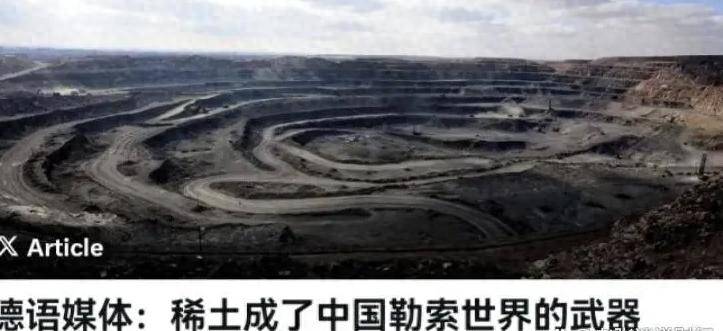
稀土资源竞争

Search documents
中美俄稀土储量差距断崖:俄1000万吨,美国180万吨,中国呢?
Sou Hu Cai Jing· 2026-01-10 04:29
Core Insights - Rare earth elements have become essential resources in today's technology-driven world, leading to intensified global competition for these materials [1][12] Group 1: Russia's Arctic Discoveries - Russia has discovered multiple mineral deposits in the Arctic region, with preliminary estimates of reserves exceeding 10 million tons, containing significant amounts of critical elements like neodymium and dysprosium [1] - The Russian government is investing heavily in infrastructure to support the development of these Arctic deposits, with the project expected to start in 2023 and preliminary confirmations by mid-2025 [1] Group 2: Comparison with the United States - The United States has approximately 1.8 million tons of rare earth reserves, primarily located in an old mine in California, and has faced challenges in domestic mining due to strict environmental regulations and rising costs [3] - The U.S. relies heavily on imports for rare earth elements, which are crucial for military applications, and the recent Russian discoveries have raised concerns about supply chain security [3][8] Group 3: China's Dominance - China leads the world in rare earth reserves with 44 million tons, accounting for nearly 40% of global supply, and has established a comprehensive supply chain since the 1980s [5] - By 2024, China's production is expected to reach 270,000 tons, controlling 70% of global supply and 92% of refining technology, making it a dominant player in the market [5] Group 4: Future Projections and Geopolitical Implications - The global supply landscape for rare earth elements is expected to remain dominated by China, despite Russia's Arctic project potentially increasing supply by 2025 [7][10] - The U.S. is pushing for a green transition, but shortages of rare earth materials could hinder progress, particularly in solar panel production [7] - Geopolitical tensions and resource competition are likely to shape the future of the rare earth market, with potential collaborations between the U.S. and China being discussed to address environmental concerns and technological advancements [10][12]

美国从废料中发现千万吨稀土,且掌握提取工艺,中国限制还有用吗
Sou Hu Cai Jing· 2025-10-07 09:46
Core Insights - The competition for rare earth elements, dubbed the "modern industrial vitamin," is intensifying globally, with the U.S. recently announcing the discovery of over 10 million tons of rare earth resources from coal ash and claiming to have mastered extraction techniques [1][3] - While the U.S. discovery appears significant, the complexity and cost of extracting rare earth elements from ores or waste materials pose substantial challenges, making large-scale commercialization a distant goal [1][3] - China maintains a dominant position in the rare earth sector, not only due to resource reserves but also through its comprehensive control over the entire industry chain, contributing over 90% of rare earth refining despite holding less than 60% of global reserves [3][5] Industry Analysis - The U.S. initiative to extract rare earths from coal ash represents a clever attempt at waste utilization, but it faces hurdles in extraction efficiency and requires significant investment and time to develop a complete supply chain [3][5] - Environmental considerations complicate the extraction process, as the high demands of rare earth refining and the costs associated with handling toxic substances in coal ash make the U.S. discovery seem more theoretical than practical [3][5] - The ongoing competition in the rare earth sector is not merely about resources but also reflects a broader contest of national strength, emphasizing the need for continuous technological innovation and industrial upgrades to maintain leadership in the global market [5][7]
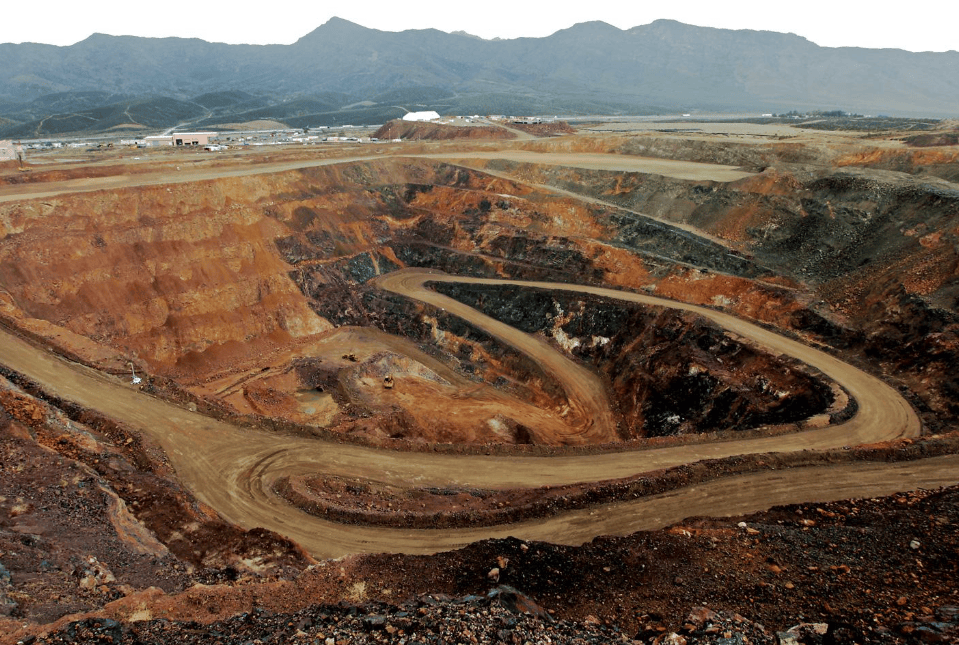
中国与澳大利亚在稀土金属领域展开竞争
Sou Hu Cai Jing· 2025-10-04 00:03
Group 1 - China is attempting to gain control over large regional rare earth mineral deposits, with Malaysia being a focal point for its efforts [2] - Negotiations are ongoing between Beijing and Kuala Lumpur regarding joint processing of rare earth resources [3] - China has previously banned the export of rare earth raw materials and processing technologies but is willing to make an exception for Malaysia by exchanging technology for mining rights [4] Group 2 - The plan involves collaboration between Malaysia's sovereign wealth fund, Khazanah Nasional, and a Chinese state-owned enterprise in the mineral resources sector [6] - Malaysia is interested in the proposal to jointly develop one of the largest known rare earth mines in Southeast Asia [5] - Australia currently controls Malaysia's rare earth resources, with Lynas Corporation being a significant player operating a processing plant in Pahang, Malaysia [8] Group 3 - There are concerns among some Malaysian politicians regarding potential environmental pollution from Chinese rare earth mining activities, highlighting a competitive dynamic between China and Australia in the region [9]
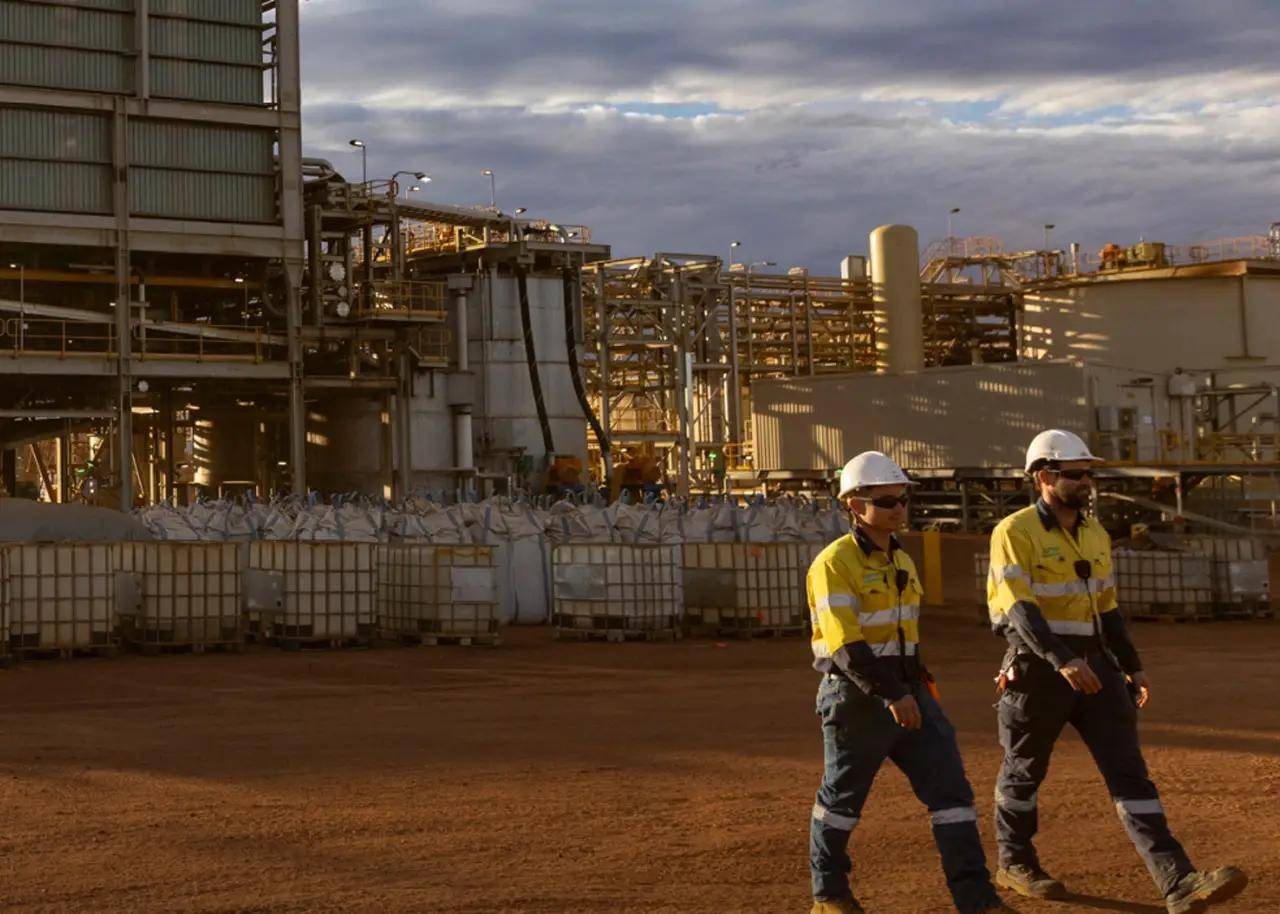
拿不到中国稀土资源,德媒指控中国三大罪状,指责中国"勒索全球"
Sou Hu Cai Jing· 2025-08-12 02:54
Core Viewpoint - The competition for rare earth resources has evolved into a complex game involving national interests, environmental policies, and international relations, with recent criticisms from German media directed at China's rare earth controls being seen as a reflection of Western countries' anxieties over supply challenges [1][3]. Group 1: China's Rare Earth Management - Chinese rare earth mining has historically faced severe environmental issues, but advancements in technology and stricter management have led to significant improvements, such as an 83.7% compliance rate for air quality in the Baiyun Obo mining area [1][3]. - The narrative that other countries have rare earth resources but cannot exploit them due to environmental concerns overlooks the fact that many Western nations lack the advanced separation and refining technologies necessary for mining [3]. Group 2: Western Dependence on China - The claims of "using rare earths to blackmail the world" reflect the dependency of Western countries on China's core resources, with China's control measures being a defensive strategy in response to frequent sanctions and pressures from the West [3][5]. - The double standards exhibited by Western media highlight their tendency to blame China for supply issues while ignoring their own limitations in rare earth mining [5]. Group 3: Future of Global Rare Earth Supply Chain - The future of the global rare earth supply chain is expected to undergo significant changes, with an increasing emphasis on sustainable development and environmental considerations [7]. - Collaboration among countries in technology development and resource sharing is essential for achieving economic growth while ensuring ecological protection [7][8]. - China, as the largest producer of rare earths, should engage in international cooperation to establish fair trade rules, alleviating fears and promoting a more balanced view of its role in global resource supply [8].