系统级能力

Search documents
存储芯片,最大黑马
3 6 Ke· 2026-01-26 04:58
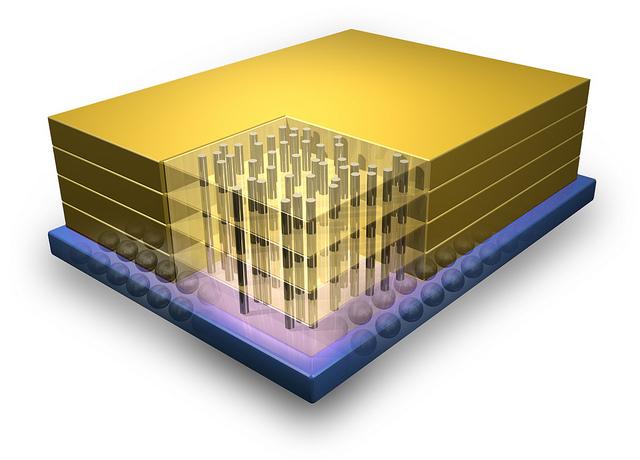
Core Insights - Micron has emerged as a significant player in the semiconductor industry, particularly in the memory chip market, with a market capitalization increase of over 40% in a few months [1] - The company reported a net profit of $3.2 billion in Q4 of FY2025, achieving a net profit margin of 28.3%, marking its best performance since the server memory boom from 2017 to 2019 [1] - Micron has successfully entered the supply chain for NVIDIA's H200 GPU with its HBM3E memory, indicating a turnaround from its previous struggles in the HBM market [1] Historical Context - Micron's early setbacks in HBM can be traced back to 2011 when it introduced the HMC technology, which was ultimately not widely adopted due to high costs and timing misjudgments [2][4] - The launch of HBM by AMD and SK Hynix in 2013, which was quickly integrated into JEDEC standards, left Micron with a mere 10% market share by 2020 [5] Strategic Shift - The introduction of HBM3E marked a strategic recalibration for Micron, recognizing HBM as a core focus rather than a supplementary product [6] - The company decided to skip the HBM3 generation and focus on HBM3E, which required overcoming significant technical challenges in a shorter timeframe [6] Financial Performance - In Q4 of FY2025, Micron's HBM memory sales reached nearly $2 billion, reflecting a 17.7% quarter-over-quarter growth and a 378% year-over-year increase [8] - The company anticipates its HBM market share will reach approximately 20% by Q3 of FY2026, aligning with its overall DRAM market share [8] Product Development and Innovation - Micron is transitioning from traditional memory products to more integrated system-level memory solutions, such as SOCAMM, which is designed for AI applications [9][10] - The company is also focusing on developing HBM4 and HBM4E products, with significant improvements in speed and bandwidth [8] Capacity and Resource Management - Micron is restructuring its production capacity, with plans to enhance HBM-related production capabilities and invest heavily in new facilities [12][14] - The company is reallocating resources from lower-margin consumer products to focus on data center storage solutions, which have a higher profit margin [14] Competitive Landscape - Micron's market share in HBM has increased to approximately 20%, making it one of the fastest-growing players in the sector, although it still trails behind SK Hynix and Samsung [15][16] - The company is facing challenges in production capacity compared to its competitors, which may limit its ability to rapidly scale up [16] Future Outlook - While Micron has made significant strides in re-establishing itself as a key competitor, it still faces barriers to achieving market leadership due to the established advantages of its competitors [18][19] - The company's future success will depend on its ability to continue innovating, expanding production capacity, and maintaining strong relationships with key customers in the AI sector [19]