
紫领人才

Search documents
爸妈来大城市“反向过年”,为何越来越流行?
吴晓波频道· 2026-02-18 00:29
Core Viewpoint - The article discusses the emerging trend of "reverse New Year," where urban residents invite their parents from rural areas to celebrate the holiday in the city, reflecting changes in family dynamics and urban competition [2][9]. Group 1: Travel and Consumption Trends - The booking volume for "reverse New Year" flights increased by 84% compared to last year, with top destinations including Beijing, Shanghai, and Shenzhen [2][3]. - Hotel occupancy for travelers aged 60 and above surged by 60% on the day before New Year's Eve, indicating a significant increase in older travelers visiting major cities [3]. - Data from Meituan shows a spike in reservations for traditional New Year dinners, particularly for small group packages, highlighting a shift in dining preferences [7]. Group 2: Family Dynamics and Urban Experience - 72% of urban children reported that the daily effective companionship time with their parents increased from an average of 1.8 hours to 4.3 hours when parents visited the city [13]. - The frequency of parents participating in urban activities, such as park walks and museum visits, was 2.1 times higher than during traditional family visits [13]. - The trend of "reverse New Year" signifies a shift in family structures and the increasing mobility of populations, with smaller family units becoming more common [15][16]. Group 3: Urban Infrastructure and Economic Development - The article emphasizes the importance of urban infrastructure, particularly transportation networks like high-speed rail and subways, in facilitating the movement of people and enhancing urban living experiences [25]. - Cities are competing to attract young talent by improving living conditions and providing job opportunities, which is reflected in the rise of "youth economy" initiatives [31][39]. - The demand for skilled workers, particularly in emerging "purple collar" jobs, is becoming a focal point in urban talent competition [36][37].


全国首家高端仪器仪表产业集群紫领人才生态共建联合体揭牌
仪器信息网· 2026-02-14 09:01
Core Viewpoint - The establishment of the "Qingdao Instrument and Meter Industry Cluster Purple-Collar Talent Ecological Co-Building Joint Body" marks a significant step towards developing a talent ecosystem that integrates blue-collar skills with white-collar management innovation in the instrument and meter industry [1][3]. Group 1 - The "Purple-Collar Talent" concept refers to a new type of talent that combines hands-on skills with management and innovation capabilities, aligning with the requirements of new productive forces [3]. - A strategic cooperation agreement was signed between the Qingdao Purple-Collar Talent Development Center and the Qingdao Instrument and Meter Industry Cluster, establishing an open talent training platform supported by the industry cluster and market mechanisms [3]. - The goal is to develop a mature and efficient talent training system within three years, aimed at supplying a large number of high-quality "purple-collar" technical talents to meet the demands of high-end instrument and meter industries in Qingdao [3]. Group 2 - The initiative aims to create a replicable and promotable "Qingdao experience" for industry-education integration, providing a model for talent support in the transformation and upgrading of similar industries nationwide [3].

江苏省人社厅发布2026年民生利好:支持人工智能OPC人才创业,探索紫领人才评价标准
Yang Zi Wan Bao Wang· 2026-01-22 12:28
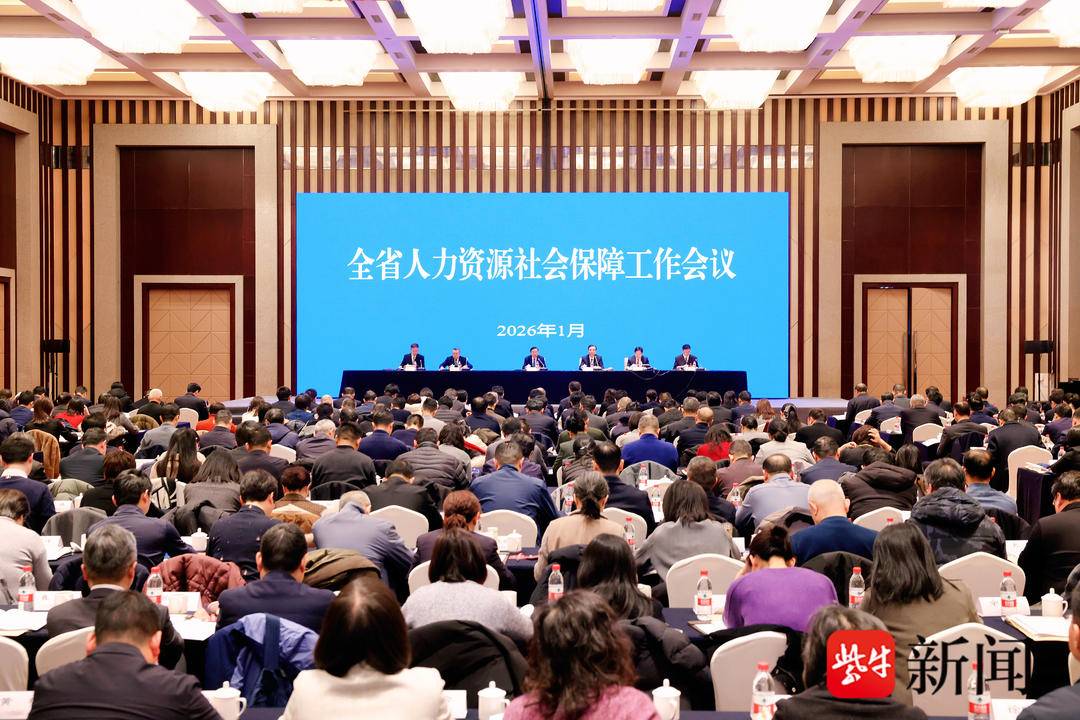
Core Viewpoint - Jiangsu Province is set to implement a series of new measures in 2026 aimed at stabilizing employment, adjusting basic pensions, and evaluating talent in new fields, thereby enhancing the welfare of its citizens [1] Employment Policies - Jiangsu will introduce a new round of employment policies to support enterprises in maintaining and expanding jobs, targeting the creation of over 3 million traditional industry jobs and more than 200,000 positions in emerging industries by 2026 [2] - The province plans to implement a youth innovation and entrepreneurship support action, aiming to assist over 100,000 successful self-employed individuals [2] - Specific measures will be taken to ensure that the employment rate for recent graduates is no less than 92% by the end of the year [2] Skills Training - A large-scale vocational skills enhancement training program will be launched, with a target of training over 200,000 individuals in new skills related to artificial intelligence and other emerging fields [3] - The training system will include actions for college graduates and agricultural migrant workers, focusing on adapting to the impacts of artificial intelligence on the workforce [3] Social Security and Welfare - Jiangsu will enhance social security measures, including the adjustment of the minimum standard for basic pensions and the improvement of unemployment and work injury insurance benefits [4] - The province aims to expand the coverage of enterprise annuities and personal pensions, ensuring timely and full payment of social security benefits [4] Talent Evaluation and Education - The province will advance reforms in talent evaluation, including delegating senior professional title evaluations to qualified associations and enterprises [5] - Initiatives will be taken to establish a new evaluation standard for interdisciplinary talent, particularly in fields like quantum information and intelligent networking [5] - The implementation of a new minimum wage standard and adjustments to allowances will be made to improve income distribution and support low-income groups [5] Innovative Public Services - Jiangsu has initiated night market recruitment and skills training, extending public services beyond traditional hours to better meet the needs of job seekers [7] - The "skills night school" initiative aims to provide training in community and workplace settings, making skill development more accessible [7]

部分学生“本转专”现象调查:从追求一纸文凭,到钻研一门技术
Bei Jing Ri Bao Ke Hu Duan· 2025-08-07 03:54
Core Viewpoint - The increasing trend of "本科转专科" (from undergraduate to vocational education) reflects a shift in educational values, emphasizing the importance of practical skills alongside academic qualifications, as seen in various regions across China [8][9][10]. Group 1: Educational Trends - Zhengzhou Railway Vocational and Technical College plans to enroll 135 undergraduate students, indicating a growing trend in vocational schools attracting students with higher academic qualifications [1]. - The phenomenon of "本科转专" is not isolated, with multiple vocational colleges in Guangdong, Shandong, and Hubei also establishing technician classes for undergraduates, promoting the development of "π-type talents" who possess both academic and technical skills [1][8]. - Qingdao Technician College has successfully integrated undergraduates into its technician programs, with 1,449 graduates since 2009, showcasing a viable alternative career path for students [1][2]. Group 2: Skills Development - The college employs a two-year curriculum that combines theoretical knowledge with practical training, allowing students to engage in hands-on projects and real-world applications [4][5]. - The collaboration between Qingdao Technician College and local enterprises has led to the establishment of over 40 training bases, ensuring that students learn using industry-standard equipment [4][5]. - A survey indicated that 49.62% of companies have less than 30% of employees with both high academic and high skill qualifications, highlighting a demand for such talent in the job market [5][6]. Group 3: Changing Perceptions - The "本科转专" trend challenges traditional views that prioritize academic credentials over vocational skills, as more students and employers recognize the value of practical expertise [8][9]. - Companies are increasingly adjusting their hiring criteria, moving away from exclusive preferences for prestigious universities, thus broadening opportunities for vocational graduates [6][10]. - The shift in student mindset reflects a growing acceptance of lifelong learning and the importance of skill acquisition in achieving career success [10].