经济治理

Search documents
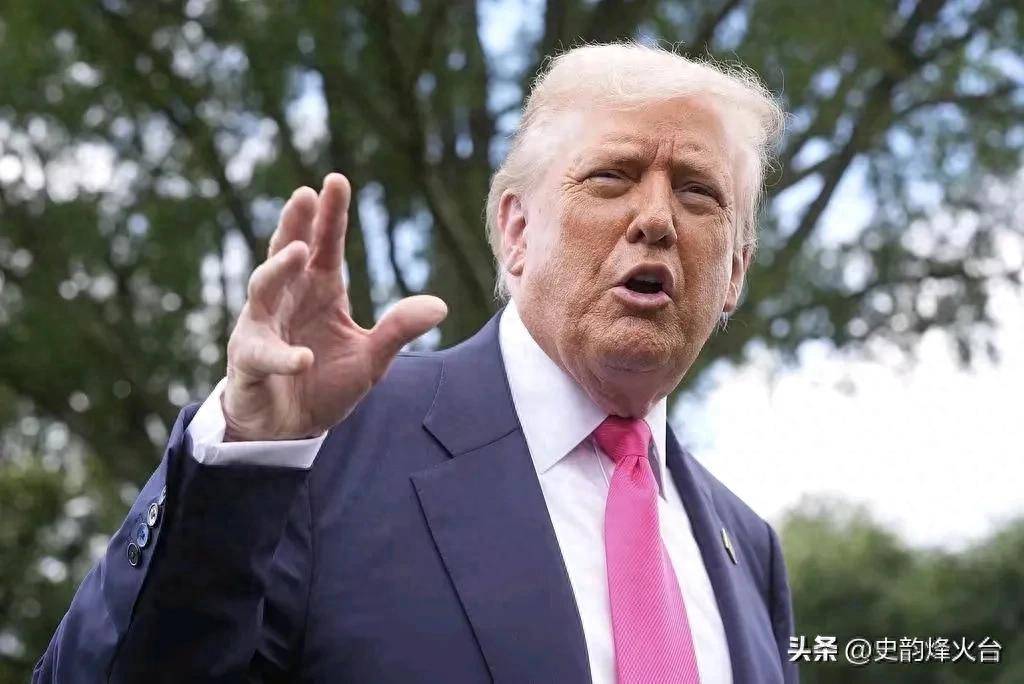
美国政坛大地震!特朗普支持率暴跌42%,58%反对率创纪录!
Sou Hu Cai Jing· 2025-12-15 16:09
Core Viewpoint - The recent NBC News poll indicates a decline in public support for President Trump, with approval ratings dropping to 42% and disapproval rising to 58%, marking a 3 percentage point decrease since April [1][3]. Group 1: Poll Findings - The poll, conducted from November 20 to December 8, surveyed 20,252 American adults, including registered and unregistered voters, with a margin of error of ±1.9% at a 95% confidence level [3]. - A significant concern among respondents is the perception that the country is "on the wrong track," with economic issues such as rising living costs and inflation being the primary sources of public anxiety [3][5]. - Despite Trump's repeated emphasis on economic governance to address inflation and control spending, the poll results show that these commitments have not translated into widespread public confidence, contributing to his declining support [3][5]. Group 2: Factors Influencing Support Decline - There is a general bipartisan concern regarding the economic outlook, which directly impacts the support for political figures [5]. - A notable shift in support among Trump's core MAGA supporters is alarming, as this group has traditionally been seen as his strongest political base. Any signs of detachment or decreased enthusiasm could indicate challenges in his core mobilization ability [5]. - The ongoing political polarization in the U.S. is reflected in the high disapproval rate of 58%, suggesting that persistent political conflict and congressional gridlock may lead to disappointment among independent voters who have performance expectations [5]. - Long-standing legal controversies and media narratives surrounding Trump and his administration may have subtly influenced voter attitudes, complicating efforts to regain support [5]. Group 3: Implications for Trump's Political Strategy - The poll serves as both a warning and a guide for Trump and his political team, highlighting the urgent need to restore economic confidence among the public [7]. - Developing more persuasive policy proposals that resonate with the economic experiences of ordinary families presents a significant challenge for Trump moving forward [7]. - Overall, the NBC News poll clearly indicates that Trump's support base is under pressure, with not only an overall decline in numbers but also concerning fluctuations within his traditional core support group [7].

习近平经济思想的经济治理理论实现了对西方经济治理理论的超越
Sou Hu Cai Jing· 2025-12-10 05:41
Core Insights - The article discusses the challenges faced by global economies, particularly the ineffectiveness of Western economic governance models, and emphasizes the need for innovative governance approaches to ensure sustainable economic development [2][4]. Group 1: Economic Governance Challenges - Many countries are experiencing a lack of development momentum, widening wealth gaps, and accumulating economic risks, highlighting the need for more effective economic governance methods [1]. - Western developed nations, once leaders in economic development, are now grappling with issues such as slowing growth, severe inflation, high unemployment, and increasing wealth disparity, indicating a failure of their economic governance models [2]. Group 2: Critique of Western Economic Governance - The traditional Western governance model is based on a binary logic of "government vs. market," advocating for minimal government intervention and extensive market freedom, which has led to market failures and ineffective government responses [2]. - Western countries often react to economic issues with short-term fixes rather than proactive strategies, resulting in a cycle of addressing one problem while creating another [2]. Group 3: Xi Jinping's Economic Governance Theory - Xi Jinping's economic governance theory emphasizes a people-centered development approach, integrating economic governance with social construction, ecological protection, and national security [2][4]. - This theory advocates for a balanced relationship between government and market forces, promoting both government-led initiatives and the vitality of various economic entities [4]. - It stresses the importance of synchronizing development and security, ensuring that economic growth does not compromise risk management [4]. - The theory posits that there is no "one-size-fits-all" solution for economic governance, and countries should tailor their governance systems to their unique historical, cultural, and socio-economic contexts [4].

经济治理,有效为矛、有为为盾
Di Yi Cai Jing Zi Xun· 2025-12-10 04:12
Core Viewpoint - The article emphasizes the importance of enhancing quality and efficiency in economic governance for the upcoming year, focusing on proactive fiscal and monetary policies to stimulate domestic demand and improve macroeconomic management [2][3]. Group 1: Economic Governance Strategy - The Central Political Bureau outlined eight key principles for economic governance in 2026, including prioritizing domestic demand, innovation, reform, and maintaining social stability [2]. - The shift from "promoting stability through progress" to "enhancing quality and efficiency" indicates a more dynamic and effective approach to policy-making, emphasizing the interaction between policy and market trends [2][3]. Group 2: Domestic Demand and Consumption - The core issue facing the Chinese economy is insufficient effective demand, particularly in consumer spending, which requires systemic reforms to broaden consumption capacity [3][4]. - Enhancing consumer purchasing power is essential for increasing consumption rates, necessitating reforms in income distribution and social welfare systems [4]. Group 3: Consumer Protection and Market Transparency - There is a pressing need to improve consumer rights protection laws and policies to foster a more consumer-friendly market environment [4][5]. - The introduction of collective litigation and clearer consumer rights is advocated to reduce information asymmetry in the market, thereby enhancing pricing power and risk management capabilities [5].

特朗普关税争议2026选战沪金震荡
Jin Tou Wang· 2025-12-10 04:07
Group 1 - Gold futures are currently trading around 960, with a slight increase of 0.47%, reaching a high of 959.02 and a low of 952.22 [1] - The short-term outlook for gold futures indicates a sideways movement, with a core trading range identified between 952 and 972 yuan per gram [3] - Technical indicators show a convergence of moving averages and moderate MACD momentum, suggesting a tug-of-war between bulls and bears [3] Group 2 - Following political pressure from midterm election losses, the Trump administration is attempting to reshape economic narratives around tariff policies, claiming they have led to manufacturing returns and agricultural support [2] - Despite efforts to alleviate public discontent through various measures, there are concerns within the Republican Party that tariff threats and rising healthcare costs may further erode voter trust [2] - The core challenge for U.S. economic governance is balancing short-term relief with long-term structural reforms, with tariff disputes potentially becoming a focal point in the 2026 midterm elections [2]
经济治理,有效为矛、有为为盾
第一财经· 2025-12-10 04:01
Core Viewpoint - The article emphasizes the importance of enhancing the quality and efficiency of economic governance in China, focusing on the integration of policies and market dynamics to stimulate effective demand, particularly in consumer spending [2][3]. Economic Governance Strategy - The Central Political Bureau's meeting outlined a roadmap for economic governance in 2026, highlighting eight key principles, including prioritizing domestic demand, innovation, reform, and maintaining social stability [2]. - The shift from "promoting stability through progress" to "enhancing quality and efficiency" indicates a more proactive and responsive approach to economic policy [2]. Policy Effectiveness - The article stresses that effective governance requires a two-way interaction between the government and the market, with policies designed to stimulate market vitality and consumer confidence [3]. - It highlights the need for policies to be forward-looking, targeted, and coordinated, focusing on the dynamic evaluation of their effectiveness [3]. Consumer Demand and Economic Structure - The core issue facing the Chinese economy is insufficient effective demand, particularly in consumer spending, which necessitates systemic reforms to broaden consumption capacity [3][4]. - The government is urged to shift its focus from a supply chain community to a consumer-oriented community, requiring adjustments in perception and behavior [3]. Enhancing Consumer Spending - To increase the consumption rate during the "15th Five-Year Plan," reforms in income distribution and social security systems are essential to enhance disposable income and consumer confidence [4]. - The article calls for a transition of state-owned capital from production support to consumption support, ensuring that public services are improved to foster a consumer-friendly environment [4]. Consumer Rights and Market Transparency - There is a pressing need to improve consumer protection laws and policies to address the shortcomings in consumer rights, ensuring a transparent and fair market [5]. - The introduction of collective litigation and evidence presentation systems in consumer markets is recommended to enhance consumer awareness and rights [5]. Conclusion on Economic Governance - The article concludes that effective economic governance should prioritize transparent and informed consumption, reducing information asymmetry between supply and demand [5]. - It advocates for a market environment where consumer trust and credit are upheld, reflecting the broader values of society [5].

一财社论:经济治理,有效为矛、有为为盾
Di Yi Cai Jing· 2025-12-09 12:14
Group 1 - The core focus of economic governance in 2026 is on "quality improvement and efficiency enhancement," replacing last year's emphasis on "promoting stability through progress," indicating a shift towards the effectiveness and quality of policies in the real world [1][2] - The meeting outlined eight key principles for economic governance, including prioritizing domestic demand, innovation-driven growth, reform, openness, coordinated development, dual carbon goals, prioritizing people's livelihoods, and maintaining bottom-line stability [1][2] - The emphasis on policy effectiveness suggests a more sophisticated approach to economic governance, highlighting the interaction between policies and market trends, as well as the need for dynamic policy evaluation [1][2] Group 2 - The focus on quality improvement and efficiency in governance reflects the need for policies to demonstrate actual effectiveness and incentivize market engagement, serving as a bridge between proactive government and effective markets [2] - The core issue facing the Chinese economy is insufficient effective demand, particularly in consumer demand, necessitating systemic reforms to broaden consumption capacity [2][3] - Enhancing consumer capacity is essential for increasing consumption rates, which requires reforms in income distribution and social welfare systems to ensure a sense of security and real benefits for the populace [3] Group 3 - Economic governance's quality improvement in the consumer market centers on transparent and informed consumption, aiming to reduce information asymmetry between supply and demand [4] - The introduction of collective litigation and burden of proof systems in the consumer market is advocated to establish a culture of informed consumption [4] - The relationship between market transactions and individual credit is emphasized, highlighting the importance of trust in economic governance [5]
全球治理需要更多“南方”力量
Jing Ji Ri Bao· 2025-11-26 00:08
Group 1 - The core viewpoint of the article emphasizes the significance of the recent multilateral international meetings held in Brazil and South Africa, showcasing the "Southern" perspective in global governance and the need for increased international dialogue and cooperation [1][2] - The COP30 conference in Brazil, marking the 10th anniversary of the Paris Agreement, focused on actionable commitments regarding climate adaptation and compensation, reflecting the priorities of Southern nations [1] - The G20 summit in Johannesburg was notable for being the first held on the African continent, highlighting the development needs and unique perspectives of African countries in the global governance reform process [1] Group 2 - The article discusses the ongoing challenges posed by hegemonism, unilateralism, and protectionism, as well as the widening North-South divide and ecological degradation, which necessitate a stronger voice for the Global South in international affairs [2] - The absence of the United States at these meetings is highlighted, particularly given its status as the largest historical emitter of greenhouse gases, indicating a divergence from the mainstream international community [2] - Despite progress in addressing climate change and poverty, significant gaps remain, with 83% of countries classified as "highly unequal" and nearly 700 million people living in extreme poverty, underscoring the need for coordinated global action [3]
特朗普差评拖累选情!三州选举打响,民主党能否翻盘?
Jin Shi Shu Ju· 2025-11-04 08:57
Core Points - The article discusses the dissatisfaction among voters regarding President Trump's handling of the economy and inflation, which presents an opportunity for the Democratic Party in upcoming elections [1][2][3] - Affordability has become a central issue for the Democratic Party in key elections in Virginia, New Jersey, and New York City, as they aim to regain public trust and address economic concerns [1][2][3] - Polls indicate a significant shift in voter sentiment, with Democrats now perceived as more capable of managing the economy compared to Republicans, a change from previous years [3][4] Group 1: Election Context - The upcoming gubernatorial elections in Virginia and New Jersey, along with the mayoral election in New York City, will test the Democratic Party's strategy focused on affordability [1][2] - Democratic candidates are emphasizing plans to reduce costs, such as Abigail Spanberger's "Affordable Virginia" initiative and Mikie Sherrill's proposal to freeze utility rates [1][2][5] - In New York City, mayoral candidate Zohran Mamdani has proposed various affordability measures, including free childcare and rent stabilization [2] Group 2: Voter Sentiment and Polling - Recent polls show that dissatisfaction with Trump's economic management has led to a narrowing trust gap between Democrats and Republicans regarding economic issues [3][4] - A Gallup survey indicates that for the first time, Democrats are viewed as more capable of maintaining national prosperity, marking a significant shift from previous Republican advantages [3] - Despite this shift, some analysts caution that Democrats should not overinterpret these changes, as they may be more reflective of voter discontent with Trump than a strong endorsement of Democratic policies [3][4] Group 3: Internal Party Dynamics - The Democratic Party faces internal divisions on how to approach the affordability issue, balancing between progressive taxation and more centrist policies [6] - Polling experts suggest that the party needs to develop specific policy proposals that resonate with a broader audience while distancing itself from more leftist agendas [6] - The challenge lies in effectively communicating affordability as a key issue without alienating moderate voters [6]
特朗普骂美联储主席鲍威尔“很糟糕”,却又不解雇,为了啥?
Sou Hu Cai Jing· 2025-07-19 03:10
Core Viewpoint - The article discusses the complex dynamics between President Trump and Federal Reserve Chairman Jerome Powell, highlighting Trump's public criticism of Powell while refraining from dismissing him due to legal and political constraints [1][2][15]. Group 1: Trump's Criticism of Powell - Trump has openly criticized Powell, calling him names and expressing dissatisfaction with the Federal Reserve's high interest rates, which he believes are detrimental to the economy [1][3]. - The President's main grievance revolves around the high interest rates, which he argues increase government debt servicing costs significantly, especially with the national debt at $36 trillion [3][7]. - Trump's recent focus on the Federal Reserve's $2.5 billion renovation project is seen as an attempt to create a narrative against Powell, labeling it as wasteful spending [10][11]. Group 2: Legal and Political Constraints - The Federal Reserve operates under strict legal protections, making it difficult for Trump to dismiss Powell without substantial legal justification [1][2]. - Republican figures, including House Financial Services Committee Chairman Hill, have cautioned Trump against attempting to remove Powell, warning of potential legal repercussions and damage to the Fed's independence [2]. - Trump's political maneuvering is complicated by the need to maintain a stable economic environment, as any instability could backfire on his administration [13][15]. Group 3: Economic Implications - The article emphasizes the tension between Trump's push for lower interest rates and the Federal Reserve's mandate to control inflation, which remains above the target [3][5]. - Trump's tax cuts, while aimed at stimulating the economy, have contributed to rising inflation and increased fiscal pressure, complicating the Fed's decision-making [5][15]. - The ongoing debate over interest rates and fiscal policy reflects deeper issues within the U.S. economic governance, highlighting the risks of political interference in monetary policy [15][16].