绿色智能制造

Search documents
AI赋能制造业智能化绿色化发展
Xin Hua Ri Bao· 2026-02-12 23:48
Core Viewpoint - The integration of artificial intelligence (AI) and industrial robotics is driving a fundamental transformation in production methods, organizational forms, and business models within the industrial sector, particularly in optimizing production processes and reducing carbon emissions, which aligns with China's dual carbon strategy goals [1] Group 1: Strategic Framework - Optimizing top-level design is essential for constructing an integrated development ecosystem that fosters interaction among technological innovation, industrial application, and market mechanisms [2] - The establishment of special action plans is necessary to clarify key supported industries, core technological breakthroughs, and phased energy efficiency and carbon reduction targets [2] - Encouragement of local initiatives to build "AI + Robotics + Low Carbon" demonstration parks and benchmark smart factories is crucial for promoting advanced solutions [2] Group 2: Technological Focus - Addressing high energy consumption and emissions in industries like metallurgy and chemicals requires collaborative innovation among AI models, algorithms, and robotic systems [3] - Development of hybrid intelligent algorithms that combine physical-chemical mechanisms with data-driven methods is essential for achieving optimal control and precise energy scheduling [3] - The creation of a cloud-coordinated intelligent emission reduction system through real-time data collection and analysis is necessary for comprehensive optimization [3] Group 3: Application and Implementation - Expanding application scenarios based on real industrial needs and emission reduction challenges is vital for advancing AI and robotics from usable to widely adopted technologies [4] - In the automotive sector, implementing intelligent welding parameter optimization and robotic spray path planning can significantly reduce energy consumption and material waste [4] - Industry authorities should select and promote optimal AI industrial carbon reduction cases and solutions to facilitate rapid dissemination across the supply chain [4] Group 4: Talent Development - A large, high-quality interdisciplinary talent pool is essential for the deep integration of AI, robotics, and industrial carbon reduction [6] - Higher education institutions should establish interdisciplinary programs and integrate real-world emission reduction scenarios into their curricula [6] - Companies should implement new job roles focused on green intelligent manufacturing and develop comprehensive training programs to enhance the capabilities of existing engineering teams [6]
数字化转型,智能制造“绿色”更鲜明
Xin Lang Cai Jing· 2026-01-28 23:07
Core Insights - The company has implemented a comprehensive digital transformation, achieving significant improvements in production efficiency and environmental sustainability through advanced technologies and automation [1][2][3]. Group 1: Digital Transformation and Automation - The company has interconnected over 10,000 devices and deployed 208 AI models, covering 368 data standards and 400 key indicators, facilitating real-time data flow across the entire production process [1]. - The central control room operates like "intelligent driving," allowing a few technicians to monitor all production data and quickly address any anomalies [1]. - The introduction of unmanned vehicles has optimized operational routes and improved mining efficiency, while also enhancing safety by reducing human presence in hazardous areas [1]. Group 2: Economic and Environmental Benefits - The digital transformation has led to a 1.07% reduction in coal consumption per ton of clinker, improving production stability [2]. - The integration of an intelligent quality system has automated the entire sampling, preparation, analysis, and batching process, achieving over 86% accuracy in strength prediction and reducing limestone variability by 0.71% [2]. - The company has established a "health record" for equipment management and a fully automated supply and logistics system, enhancing operational efficiency [2]. Group 3: Performance Metrics and Recognition - Since the digital transformation, production efficiency has increased by approximately 11.1%, with 100% of key equipment achieving numerical control and connectivity [3]. - The company has significantly reduced comprehensive electricity consumption, physical coal consumption, and carbon dioxide emissions, aligning with green development goals [3]. - The company has received multiple accolades, including "National Excellent Intelligent Factory," "National Green Factory," "National High-tech Enterprise," and "National Green Mine," highlighting its achievements in green intelligent manufacturing [3].
毕马威报告:中国智能制造的竞争高地将集中在人机协同的“认知智能”
Zhong Zheng Wang· 2026-01-16 13:57
Core Insights - The report by KPMG outlines six major development trends in China's smart manufacturing sector by 2030, emphasizing the shift from technological breakthroughs to industrial restructuring driven by industrial large models [1] - The concept of "human-machine symbiosis" is becoming increasingly clear in the smart manufacturing ecosystem, indicating a collaborative future between humans and machines [1] - The industrial metaverse is expected to promote the globalization of virtual manufacturing, while green smart manufacturing will become a hard constraint and a new growth engine [1] - Supply chain security is identified as a key driver for industrial upgrades, and a gradient cultivation mechanism will facilitate the scaling and standardization of smart factories [1] - The competitive landscape for smart manufacturing will focus on "cognitive intelligence," where companies that can achieve autonomous learning and situational understanding in robots will set the industry standards for the next decade [1] Industry Trends - The integration of cutting-edge technologies such as artificial intelligence, industrial internet, big data, and robotics is leading to significant breakthroughs in smart manufacturing [2] - Smart manufacturing is driving the transformation of the manufacturing industry towards intelligence, high-end production, and sustainability, enhancing new productive forces for enterprises [2] - The improvements in production efficiency are not only evident but also include the realization of intelligent, personalized, and flexible production processes, breaking the limitations of traditional manufacturing [2]
深蓝汽车完成融资;xTool冲刺港股IPO;菲拉格慕将终止股东协议
Sou Hu Cai Jing· 2026-01-07 06:29
Funding and Investment - Looki, an AI hardware company, has completed over $20 million in Series A funding, led by Ant Group, with participation from Meituan Longzhu, Huaden, and others. The funds will be used for technology upgrades, supply chain integration, and next-generation interactive hardware exploration [3] - Deep Blue Automotive announced a C round financing of 6.122 billion RMB, with investors including China Merchants Bank and Changan Automobile. The company focuses on pure electric, range-extended, and hydrogen energy technologies, having delivered over 700,000 vehicles globally [5] - RayNeo, a consumer AR brand, has secured over 1 billion RMB in a new funding round, led by China Mobile Chain Long Fund and CITIC Jinshi. The company is known for its full-color Micro LED AR glasses [7] Company Developments - xTool, a consumer-grade laser tool brand, has submitted its IPO application to the Hong Kong Stock Exchange, aiming to become the first publicly listed company in the consumer-grade laser engraving machine sector [9] - Yao Mazi, a leading brand in the pepper oil market, has had its IPO application accepted by the Beijing Stock Exchange. The company holds a 30% market share in China's pepper oil market as of 2024 [12] Manufacturing and Production - Swire Coca-Cola has commenced construction on a green smart production base in Hainan, with new factories in Suzhou and the Greater Bay Area set to begin operations in the first half of 2026 [14] Corporate Governance - Salvatore Ferragamo Group's major shareholder, Ferragamo Finanziaria S.p.A., announced it will not renew its shareholder agreement with MHL-Majestic Honor Limited after June 29, 2026, aiming to regain full voting rights [17] - New Balance's Senior Vice President Melissa Worth will end her seven-year tenure, during which the company experienced significant growth. The search for her successor is ongoing [22] - Chip Wilson, founder of lululemon, is attempting to restructure the board of directors, citing a lack of visionary leadership. He has nominated three candidates for board positions amid declining stock prices and sales growth challenges [25]


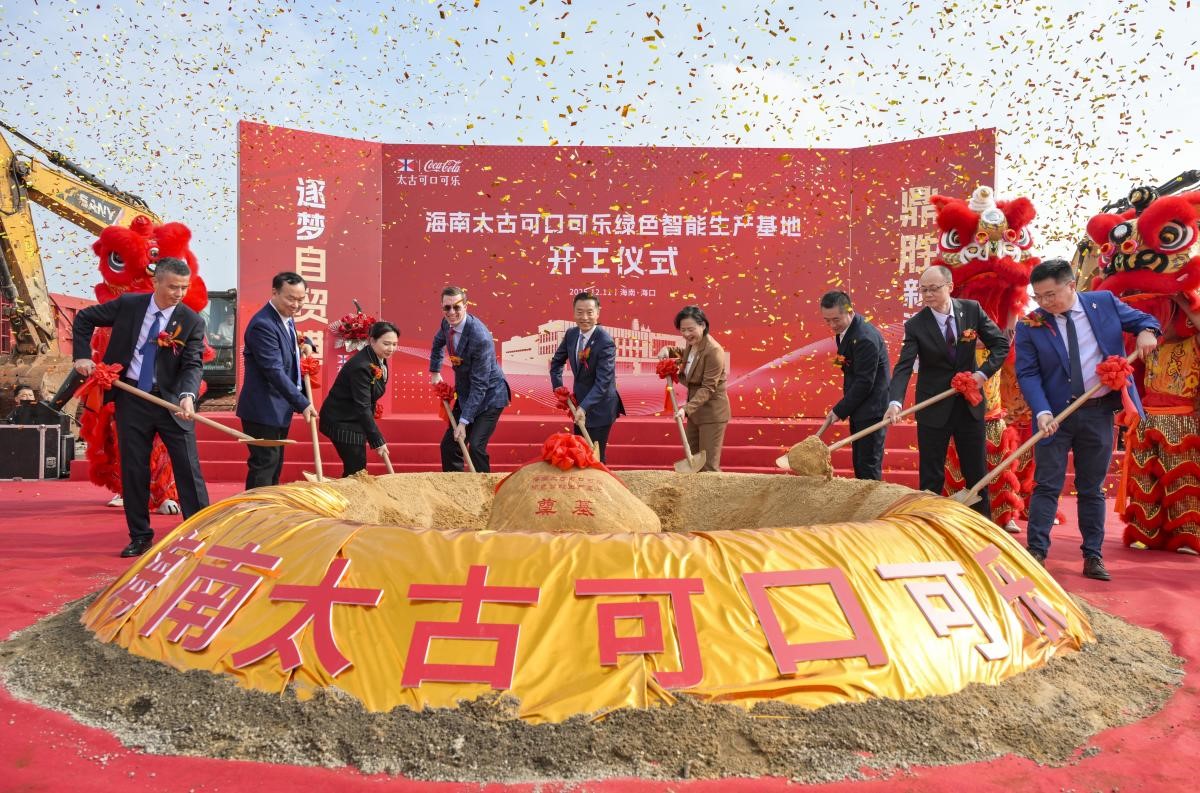
海南太古可口可乐绿色智能生产基地正式开工
Ren Min Wang· 2025-12-13 01:40
Core Viewpoint - The establishment of the Hainan Swire Coca-Cola Green Intelligent Production Base marks a significant investment in sustainable manufacturing, aligning with China's green development policies and the company's long-term commitment to the Chinese market [2][3]. Group 1: Project Overview - The first phase of the Hainan Swire Coca-Cola production base involves an investment of 300 million RMB, with production expected to commence by the end of 2027 [1]. - The new facility will implement a data-driven intelligent production model and integrate rooftop photovoltaic power generation with industrial waste heat recovery [1]. Group 2: Strategic Alignment - The project aligns with China's push for green and intelligent manufacturing, providing replicable solutions in low-carbon management and resource recycling, thus setting an industry benchmark for environmental sustainability [2]. - Swire Coca-Cola's commitment to this project is part of a broader investment plan of over 12 billion RMB in mainland China over the next decade [2]. Group 3: Future Developments - The company's green intelligent strategy is progressing, with new factories in Zhengzhou already operational and others in Jiangsu and Hubei recently achieving "zero carbon factory" certification [3]. - Swire Coca-Cola aims to leverage China's high-level opening-up policies and favorable business environment to further its green transformation and contribute to the modernization of the Chinese economy [3].

路甬祥:科技驱动新质生产力,促进绿色可持续发展
中国能源报· 2025-12-01 10:23
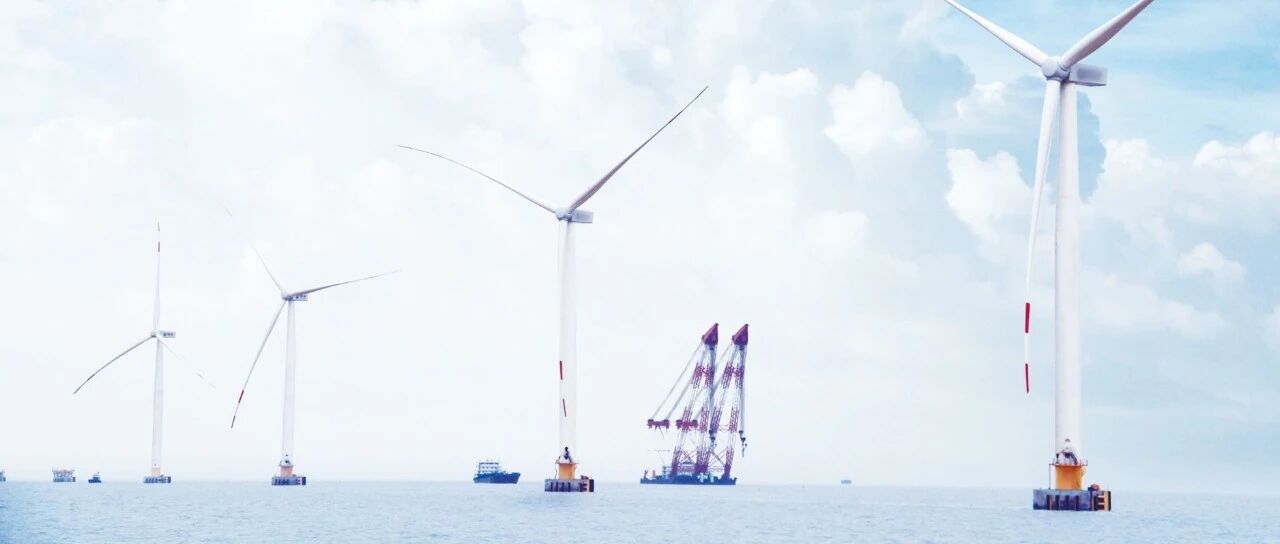
Group 1: Core Concepts - The article emphasizes the importance of new productive forces driven by technology, which enhances global production efficiency while promoting green and sustainable development [1][3] - The 20th National Congress of the Communist Party of China calls for accelerating high-level technological self-reliance to lead the development of new productive forces [3] Group 2: Green Intelligent Manufacturing - Green intelligent manufacturing integrates environmental protection and sustainable development throughout the manufacturing process, improving production efficiency and product quality while reducing resource consumption and pollution [5] - This system employs energy-efficient equipment and optimized processes to minimize waste, with real-time monitoring to prevent excessive energy consumption and reduce defective products [5][6] - The use of recyclable or biodegradable materials is encouraged to alleviate long-term environmental burdens, with some companies adopting renewable plant fibers or recycled plastics [5] Group 3: Supply Chain Management - Green intelligent manufacturing includes the green management of supply chains, assessing and reducing environmental impacts at every stage from raw material procurement to waste disposal [6] - Companies can lower carbon footprints by selecting local suppliers, using eco-friendly packaging, and designing products for easy disassembly and recycling [6] Group 4: Employee Engagement - Successful implementation of green intelligent manufacturing relies on employee engagement, necessitating systematic training to enhance environmental awareness and skills [7] - Continuous education fosters recognition of the importance of green manufacturing and encourages proactive environmental measures among employees [7] Group 5: Renewable Energy Technologies - Green renewable energy technologies aim to reduce pollution and greenhouse gas emissions, including solar, wind, hydro, geothermal, and biomass energy [8][9] - Solar energy technologies encompass photovoltaic and solar thermal systems, while wind energy utilizes turbines to convert wind energy into electricity [9] - Hydropower, geothermal energy, and biomass energy also play significant roles in transitioning to a sustainable energy structure [10] Group 6: Green Transportation Technologies - Green transportation technologies significantly reduce environmental impacts, including electric vehicles (EVs) and hydrogen fuel cell vehicles (FCEVs), which minimize greenhouse gas emissions [11][12] - Public transportation benefits from green technologies, such as natural gas buses and electric buses, which lower pollutant emissions compared to traditional diesel vehicles [13] - Intelligent transportation systems enhance traffic management, reducing congestion and carbon emissions through real-time monitoring and optimization [14] Group 7: Green Data Technologies - Green data technologies focus on minimizing energy consumption and carbon emissions throughout the data lifecycle, supporting the development of smart cities [15][16] - Applications of green data include traffic management, energy management, and environmental monitoring, contributing to overall urban sustainability [17] - Challenges include the increasing demand for data storage and processing, which raises energy consumption concerns, and the high costs associated with developing green data technologies [18]
马可波罗上市第3个交易日跌9.25%创新低
Zhong Guo Jing Ji Wang· 2025-10-24 07:41
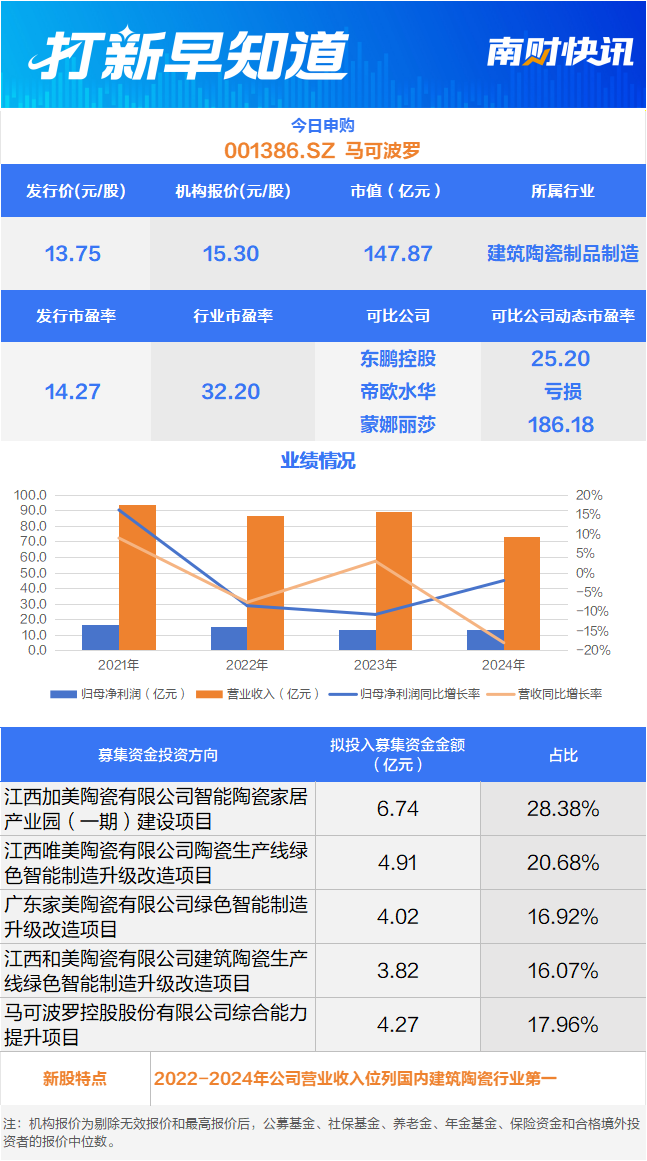
Core Viewpoint - Marco Polo's stock price hit a record low since its listing, closing at 28.54 yuan with a decline of 9.25%, resulting in a total market capitalization of 34.103 billion yuan [1]. Group 1: Stock Performance - Marco Polo's stock reached a minimum price of 28.53 yuan during trading, marking a new low since its IPO [1]. - The closing price of 28.54 yuan reflects a significant drop of 9.25% from previous trading sessions [1]. - The company's total market capitalization stands at 34.103 billion yuan as of the latest trading day [1]. Group 2: IPO Details - Marco Polo was listed on the Shenzhen Stock Exchange on October 22, 2025, with an issuance of 11,949,200 shares, representing 10% of the total share capital post-issuance [1]. - The IPO price was set at 13.75 yuan per share, with the lead underwriter being China Merchants Securities Co., Ltd. [1]. - The total funds raised from the IPO amounted to 1,643,015,000 yuan, with a net amount of 1,559,993,779.50 yuan after deducting issuance costs [2]. Group 3: Fund Utilization - The company initially planned to raise 237,656.26 million yuan for various projects, including the construction of smart ceramic home industry parks and upgrades to production lines [2]. - The actual net funds raised were 816.5688 million yuan less than the original plan [2]. - The total issuance costs, excluding VAT, were 83.0212 million yuan, with underwriting and sponsorship fees amounting to 51.8868 million yuan [2].
今日上市:马可波罗
Zhong Guo Jing Ji Wang· 2025-10-22 01:01
Core Points - Marco Polo (001386) has been listed on the Shenzhen Stock Exchange, focusing on the research, production, and sales of architectural ceramics, and is one of the largest manufacturers and sellers in China [1] - The company has two main proprietary brands: "Marco Polo Tiles" and "Weimei L&D Ceramics" [1] Shareholding Structure - Guangdong Meiying Industrial Investment Co., Ltd. holds 69,215,850 shares, accounting for 64.36% of the total share capital before the issuance, making it the controlling shareholder [1] - Huang Jianping directly holds 9,724,992 shares, representing 0.90% of the company, and is the controlling shareholder of Meiying Industrial, which in turn controls 64.36% of the voting rights in the company [1] - Huang Jianping's total direct and indirect shareholding is 42.12%, with a control over 95.55% of the voting rights, establishing him as the actual controller of the company [2] Fundraising and Projects - The total amount raised from the issuance is 1,643.015 million yuan, with a net amount of 1,559.9938 million yuan after deducting tax-exempt issuance costs [2] - The raised funds will be allocated to several projects, including the construction of an intelligent ceramic home industry park in Jiangxi, upgrades to green intelligent manufacturing for ceramic production lines, and a comprehensive capability enhancement project for Marco Polo Holdings [2]
市占率行业第一,建筑陶瓷领军企业今日申购
2 1 Shi Ji Jing Ji Bao Dao· 2025-10-12 23:10
Core Viewpoint - Marco Polo (001386.SZ) is set to be listed on the Shenzhen Stock Exchange, focusing on the research, production, and sales of building ceramics, and is one of the largest manufacturers and sellers in China [1][2]. Group 1: Company Overview - Marco Polo has established five major production bases in Dongguan, Qingyuan (Guangdong), Fengcheng (Jiangxi), Rongchang (Chongqing), and Tennessee (USA) [4]. - The company ranked first in the domestic building ceramics industry in terms of revenue from 2022 to 2024, with revenues of 86.61 billion yuan, 89.25 billion yuan, and 73.24 billion yuan respectively [4]. - The company operates under a "distribution + direct sales" model, with various sales agreements with distributors and direct sales to customers [4]. Group 2: Financial Performance - The revenue from glazed tiles for Marco Polo from 2022 to 2024 is projected to be 82.95 billion yuan, 85.86 billion yuan, and 71.50 billion yuan, accounting for 96.30%, 96.70%, and 98.14% of total revenue respectively, indicating a rising trend [4]. - Revenue from unglazed tiles is expected to decrease from 3.18 billion yuan in 2022 to 1.35 billion yuan in 2024, with a declining share of 3.70%, 3.30%, and 1.86% [4]. Group 3: Market Dynamics - Major clients include Huana Home, China Overseas Property, Poly Real Estate, FD Sales Company LLC, and Jiushan Home, contributing 14.51 billion yuan, or 19.92% of total revenue [5]. - The company anticipates a 17.95% decline in main business revenue in 2024 compared to 2023, attributed to changing consumer preferences towards glazed tiles [5]. Group 4: Investment and Future Plans - The company plans to invest raised funds in various projects, including smart ceramic home production and green intelligent manufacturing upgrades, with total planned investments of 6.74 billion yuan, 4.91 billion yuan, 4.02 billion yuan, and 3.82 billion yuan for different projects [2].
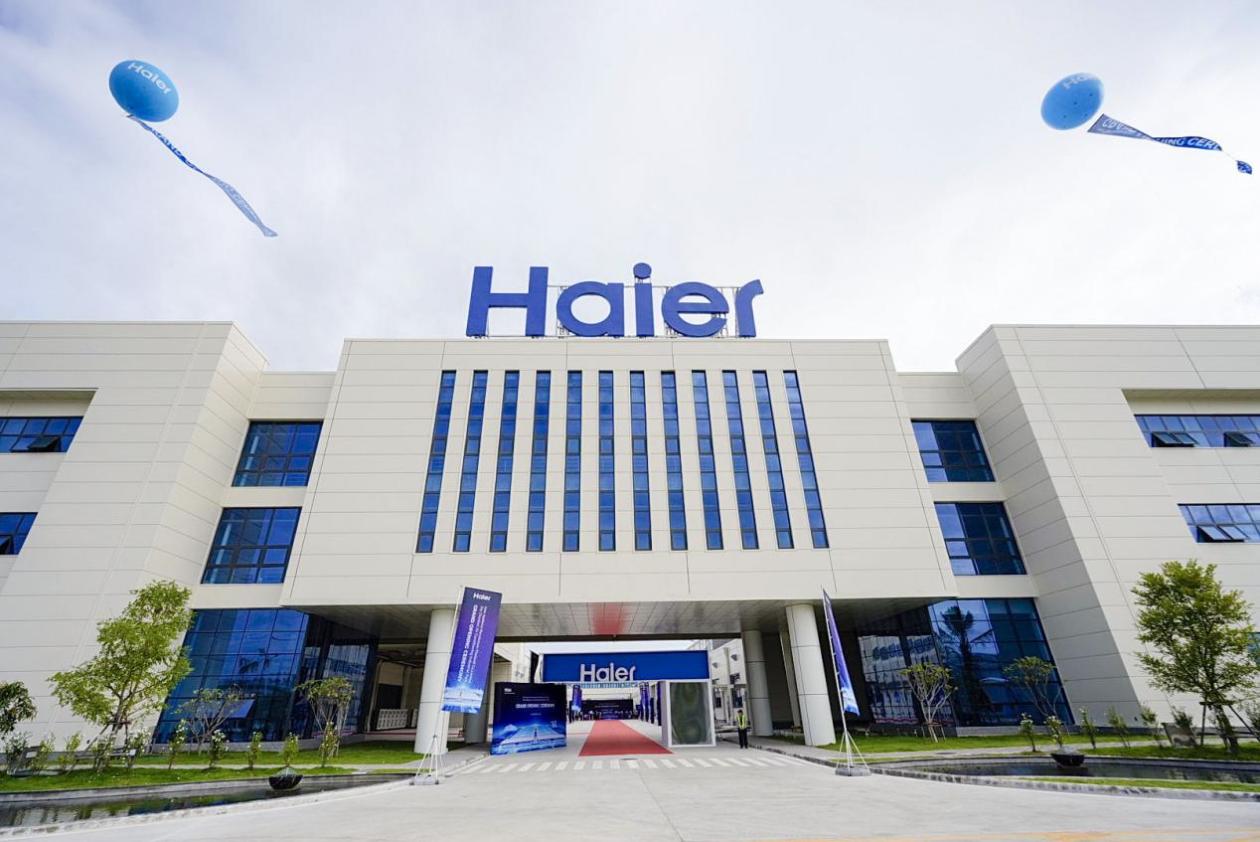
年产能600万套!中国品牌在东南亚最大的空调生产基地投产
Huan Qiu Wang· 2025-09-23 06:31
Core Viewpoint - Haier's new air conditioning production base in Thailand marks a significant expansion in Southeast Asia, positioning the company as a leader in the region's air conditioning market, with a planned annual capacity of 6 million units, making it the largest manufacturing base for Chinese brands in Southeast Asia [1][3][5]. Group 1: Production Capacity and Market Position - The Thailand air conditioning base has a planned annual capacity of 6 million units, making it the highest capacity manufacturing base for Chinese air conditioning companies in Thailand [5]. - The base covers 14 product categories and over a thousand models, catering to various air conditioning needs, including residential, commercial, and specialized applications [5]. - Haier has maintained the number one sales position in the Thai market for four consecutive years, supported by the new base's digital transformation that enhances production efficiency by 20% and reduces operational costs by 15% [5][8]. Group 2: Technological and Environmental Advancements - The production facility incorporates advanced technologies such as AI visual inspection and noise recognition systems to ensure high product quality [3]. - The factory utilizes a photovoltaic power system for zero-carbon operations and has received Thailand's highest BOI A2+ certification, reflecting a commitment to sustainable manufacturing practices [3][5]. Group 3: Strategic Global Positioning - The establishment of the Thailand base fills a regional production gap and supports Haier's global growth strategy, enabling local production for Southeast Asian demand and proximity supply for North America and Europe [6][8]. - Haier has built a global network with 35 industrial parks and 163 manufacturing centers, with the Thailand base serving as a key node in its global supply chain [8].