美国经济四重风险

Search documents
美国经济的四重风险|国际
清华金融评论· 2026-02-13 10:14
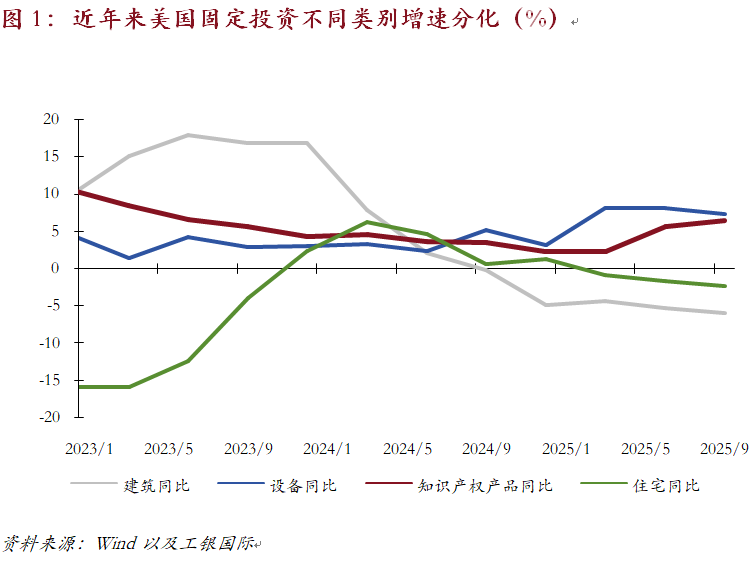
文/ 工银国际首席经济学家、中国首席经济学家论坛理事 程实 当前来看,美国经济的核心风险正从短期波动转向中长期预期的动摇,多 重结构性因素共同构成当前宏观经济层面需要审慎评估的不确定性变量。 当前来看,美国经济呈现出多重结构性错位与分化特征: 一是虚实部门的错位。实体部门与金融部门运行节奏明显背离,高利率通过融资成本与信贷可得性对投资与消费形成实质约束,而金融市场则在降息预期 与叙事主导下提前修复估值。名义紧缩的政策环境中,金融条件趋于宽松,而实体压力则被阶段性延后。 二是地区经济的分化。不同地区因产业结构、人口流动与财政条件差异,对高利率冲击和产业政策的敏感度明显不同,区域经济分化加剧,空间层面的不 均衡特征越发突出。 三是社会信心的冷却。收入与财富分配结构失衡叠加高通胀后遗效应,使中低收入与中产群体的风险缓冲能力持续削弱,社会信心由长期改善预期转向谨 慎防御,内需结构持续分化。最后是制度预期的动摇。长期以来,美联储的政策独立性被视为美元信用与资产价格稳定的重要锚点,而近期围绕央行职责 边界、政策取向以及未来反应函数的讨论明显升温,反映出市场正对货币政策可预期性进行重新评估。 值得注意的是,制度性预期一旦发 ...


美国经济四重风险
工银国际· 2026-02-12 07:49
宏观经济深度研究 美国经济四重风险 当前来看,美国经济呈现出多重结构性错位与分化特征:一是虚实部门的错 位。实体部门与金融部门运行节奏明显背离,高利率通过融资成本与信贷可得 性对投资与消费形成实质约束,而金融市场则在降息预期与叙事主导下提前修 复估值。名义紧缩的政策环境中,金融条件趋于宽松,而实体压力则被阶段性 延后。二是地区经济的分化。不同地区因产业结构、人口流动与财政条件差 异,对高利率冲击和产业政策的敏感度明显不同,区域经济分化加剧,空间层 面的不均衡特征愈发突出。三是社会信心的冷却。收入与财富分配结构失衡叠 加高通胀后遗效应,使中低收入与中产群体的风险缓冲能力持续削弱,社会信 心由长期改善预期转向谨慎防御,内需结构持续分化。最后是制度预期的动 摇。长期以来,美联储的政策独立性被视为美元信用与资产价格稳定的重要锚 点,而近期围绕央行职责边界、政策取向以及未来反应函数的讨论明显升温, 反映出市场正对货币政策可预期性进行重新评估。值得注意的是,制度性预期 一旦发生扰动,不仅可能加剧货币与财政政策之间的协调难度,还可能通过影 响市场定价逻辑与风险偏好,放大宏观波动,对美国经济的长期稳定性与生产 率提升构成更深 ...
美国经济的四重风险
Sou Hu Cai Jing· 2026-02-11 16:49
Core Viewpoint - The U.S. economy is experiencing structural misalignments and differentiation, with the financial sector showing signs of easing while the real economy faces constraints due to high interest rates [1][2][3]. Group 1: Structural Misalignment - The financial sector is operating under a narrative-driven logic, where asset prices are recovering due to expectations of interest rate cuts, while the real economy is constrained by high refinancing costs and credit availability [2][3]. - High interest rates have led to a cautious approach in capital expenditures among businesses, resulting in a longer decision-making cycle for private investments [2][3]. - The easing in financial conditions does not offset the tightening in the real economy but rather delays the exposure of risks [1][3]. Group 2: Regional Economic Differentiation - The U.S. economy shows significant regional disparities due to differences in industrial structure and population characteristics, leading to varied responses to high interest rates [4][5]. - Regions with a high concentration of traditional industries face longer adjustment periods and higher transformation costs compared to those with advanced industries [5]. - Areas with a strong service sector or supported by public investment exhibit greater economic resilience and lower sensitivity to interest rate changes [5]. Group 3: Social Confidence Erosion - The structural divide in American society is becoming a significant constraint on long-term growth potential, with middle-class income growth lagging behind productivity increases [6][7]. - Rising costs in housing, healthcare, and education have reduced disposable income elasticity for middle-class families, making them more vulnerable to economic shocks [6][7]. - The concept of "the kill line" reflects the diminishing buffer for low- and middle-income groups, indicating a shift towards defensive economic behavior [7]. Group 4: Institutional Expectation Erosion - The core risks in the U.S. economy are shifting from short-term fluctuations to long-term expectation uncertainties, influenced by political cycles and policy inconsistencies [8][9]. - Discussions around the Federal Reserve's independence and policy direction have heightened market sensitivity to monetary policy predictability [9]. - Any disturbance in institutional expectations could complicate the coordination between monetary and fiscal policies, amplifying macroeconomic volatility and constraining long-term stability [9].
程实:美国经济的四重风险︱实话世经
Di Yi Cai Jing· 2026-02-11 12:11
Core Insights - The U.S. economy is experiencing structural misalignments and differentiation, with significant divergence between the real and financial sectors, leading to increased macroeconomic volatility [2][3][5] - Regional economic disparities are intensifying due to differences in industrial structure, population movement, and fiscal conditions, resulting in uneven economic responses across the country [7][9] - Social confidence is deteriorating, particularly among the middle and lower-income groups, which is constraining long-term growth potential [11][12] - Institutional expectations are being shaken, with rising uncertainty regarding economic policies and the Federal Reserve's independence, impacting market perceptions and risk preferences [13][14][15][17] Group 1: Structural Misalignments - The real economy is facing constraints from high interest rates, which are increasing refinancing costs and tightening credit availability, leading to cautious capital expenditure decisions by businesses [3][5] - The financial sector is operating under a different logic, with asset prices recovering due to expectations of interest rate cuts, creating a disconnect between financial conditions and real economic pressures [5] Group 2: Regional Economic Disparities - Different regions are responding variably to high interest rates based on their industrial structures and reliance on financing, with manufacturing and commercial real estate sectors being more sensitive to rate increases [9] - Areas with a higher concentration of service industries or supported by fiscal spending show greater economic resilience and lower sensitivity to interest rate changes [9] Group 3: Social Confidence Erosion - The long-term stagnation of middle-class income growth and wealth concentration among high-income groups has weakened the risk-bearing capacity of the middle class, making them more vulnerable to economic shocks [11][12] - The concept of "the kill line" reflects the precarious financial situation of lower-income groups, where even minor economic disturbances can lead to significant financial distress [12] Group 4: Institutional Expectations - Economic policy uncertainty is rising due to political cycles, complicating long-term investment decisions for businesses [14] - The shift from globalization to regionalization in economic operations is expected to increase production costs and inflationary pressures, potentially constraining growth [14] - Recent discussions around the Federal Reserve's independence have led to market reassessments of monetary policy predictability, impacting investor confidence [15][17]