美学平权

Search documents
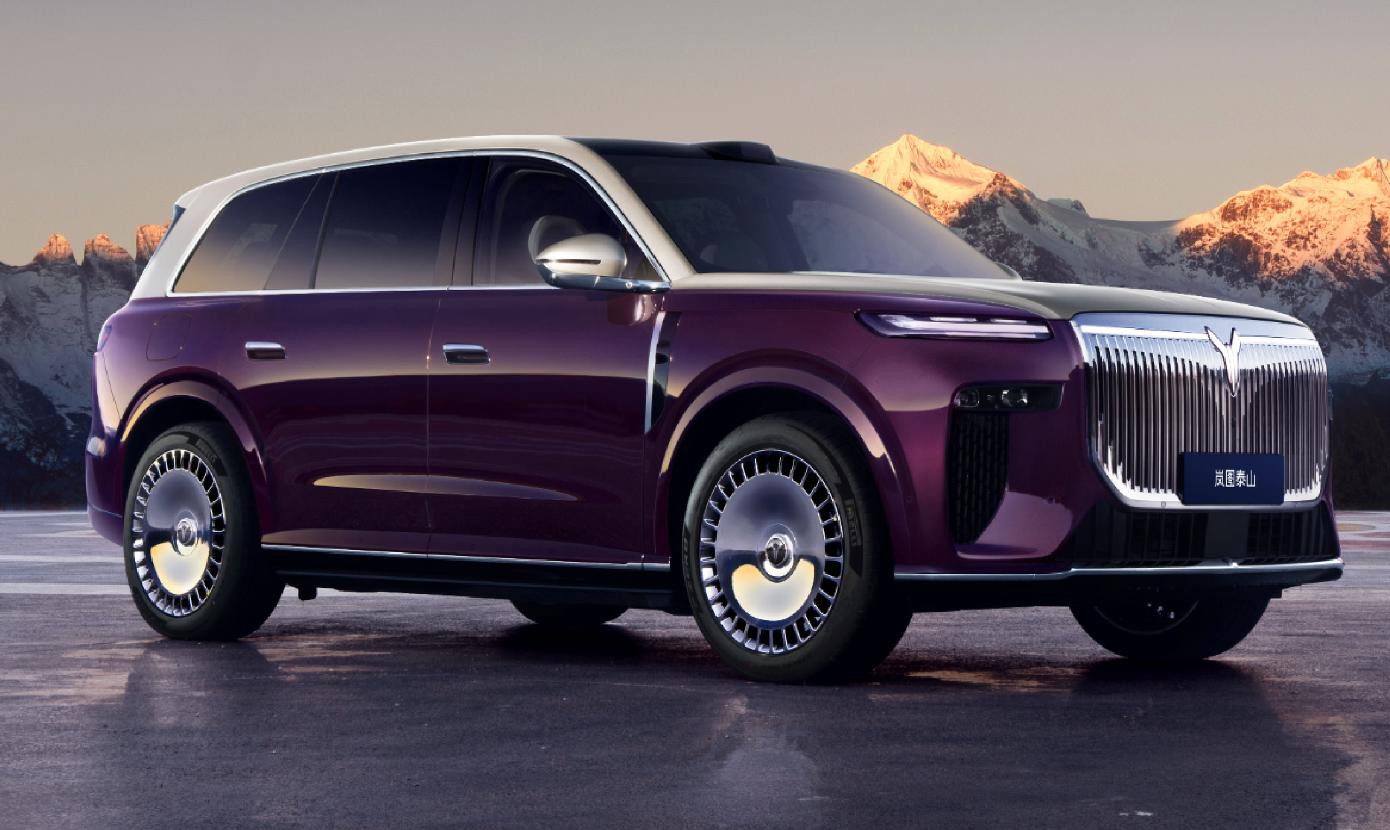
“电动库里南”烂大街,国产品牌追逐“老登审美”,山寨劳斯莱斯真能卖爆?
3 6 Ke· 2025-11-21 10:13
Core Viewpoint - The emergence of domestic electric vehicles (EVs) like Lantu Taisan and Zeekr 9X, which mimic the design language of luxury brands like Rolls-Royce, reflects a trend in the Chinese automotive market where mainstream brands adopt a "Lao Deng aesthetic" to appeal to consumers seeking status and authority [1][3][8]. Design Trends - The "Lao Deng aesthetic" is characterized by boxy designs, large dimensions (over 5200mm in length and 2000mm in width), and features like vertical chrome grilles and prominent C-pillars, which convey a sense of power and stability [9][20]. - This design approach is seen as a shortcut for EV brands to establish a luxury perception quickly, leveraging existing visual cues associated with high-end vehicles [7][8]. Market Dynamics - The sales performance of models like Lantu Taisan and Zeekr 9X, with over 5000 and 10000 orders respectively shortly after launch, indicates strong consumer demand for vehicles that project a luxurious image [14][16]. - The perception of vehicles as status symbols in China drives the appeal of designs that resemble luxury brands, as consumers seek to convey wealth and sophistication [16][17]. Technological Advancements - Advances in battery technology and electric vehicle architecture have enabled manufacturers to produce larger vehicles without compromising performance, allowing for the creation of full-size SUVs that can compete in the luxury segment [21]. - The shift from traditional fuel vehicles to electric platforms has simplified the cost structure, making it feasible to offer vehicles with a "million-level aura" at a price point of 400,000 to 500,000 yuan [21]. Future Outlook - The "Lao Deng aesthetic" is expected to remain popular in the short term as it meets the needs of China's new affluent class, but market differentiation will likely emerge over time [27]. - Long-term success for automotive brands will depend on developing unique design languages and technological advantages rather than relying on imitation of established luxury brands [27].


被误解的爆火:小米YU7不是科技平权,而是美学平权
3 6 Ke· 2025-07-01 02:44
Core Insights - Xiaomi's YU7 model achieved remarkable sales figures, with 200,000 pre-orders in just 3 minutes and 289,000 orders within an hour, marking a historic moment in the automotive industry [2] - The overwhelming demand for Xiaomi's vehicles has overshadowed previous criticisms and controversies surrounding the company [2][3] - Despite the initial success, Xiaomi faces significant delivery challenges, with some customers potentially waiting until the end of 2026 to receive their vehicles [2][4] Sales Performance - The YU7's pricing at 253,500 yuan positions it competitively against Tesla's Model Y, which is priced at 263,500 yuan, highlighting Xiaomi's strategy of offering high specifications at lower prices [3] - The YU7 features advanced technology, including an 800V high-voltage platform and laser radar, contributing to its appeal [3] Market Dynamics - Xiaomi's design aesthetics have played a crucial role in attracting consumers, with comparisons made to luxury brands like Porsche and Ferrari [3][4] - The company's stock saw a significant increase, with a 10% rise in its U.S. ADRs and a market capitalization boost of 50 billion HKD following the YU7 launch [4] Delivery Challenges - Xiaomi's current production capacity is limited, with the first-phase factory operating at full capacity of 25,000 to 30,000 units per month, and the second-phase factory expected to have lower initial output [5][6] - The backlog of orders is substantial, with nearly 500,000 units awaiting delivery, exacerbated by supply chain vulnerabilities [6] Competitive Landscape - The launch of the YU7 has intensified competition, particularly with Huawei, which has struggled to match Xiaomi's sales performance in the electric vehicle sector [7][8] - Xiaomi's strategy includes a comprehensive ecosystem approach, integrating its vehicles with over 200 smart home devices, enhancing user experience [8] Industry Impact - Xiaomi's success is reshaping industry perceptions, emphasizing the importance of design and aesthetics over traditional technological superiority [9] - The company's rapid growth in the automotive sector is prompting anxiety among traditional automakers, indicating a potential shift in market dynamics [9][10]