老己文学

Search documents
星空夜话 | 爱你老己,明天见!为何被称为“有史以来最好的梗”?
Xin Lang Cai Jing· 2025-12-27 14:33
Core Viewpoint - The phrase "I love you, old self, see you tomorrow" has gained popularity on social media, representing a shift towards self-acceptance and kindness in daily life, moving away from the pressures of perfectionism and self-criticism [3][8]. Group 1: Emotional Impact - The term "old self" allows individuals to express desires and indulgences without guilt, promoting a more forgiving attitude towards oneself [3][4]. - This trend reflects a deeper emotional revolution, where self-love is redefined as a casual, friendly dialogue with oneself, rather than a strict regimen of self-improvement [4][7]. Group 2: Cultural Shift - The rise of "old self literature" resonates with young people who struggle with self-care, providing a humorous and relatable way to engage in self-compassion [4][6]. - The phrase challenges the prevailing meritocratic mindset, emphasizing unconditional self-worth regardless of external achievements [7][8]. Group 3: Social Dynamics - The popularity of this phrase signifies a collective movement towards self-affirmation, where individuals prioritize internal validation over societal expectations [8]. - It represents a shift from seeking external recognition to fostering a nurturing relationship with oneself, thus reducing internal conflict and promoting emotional well-being [8].

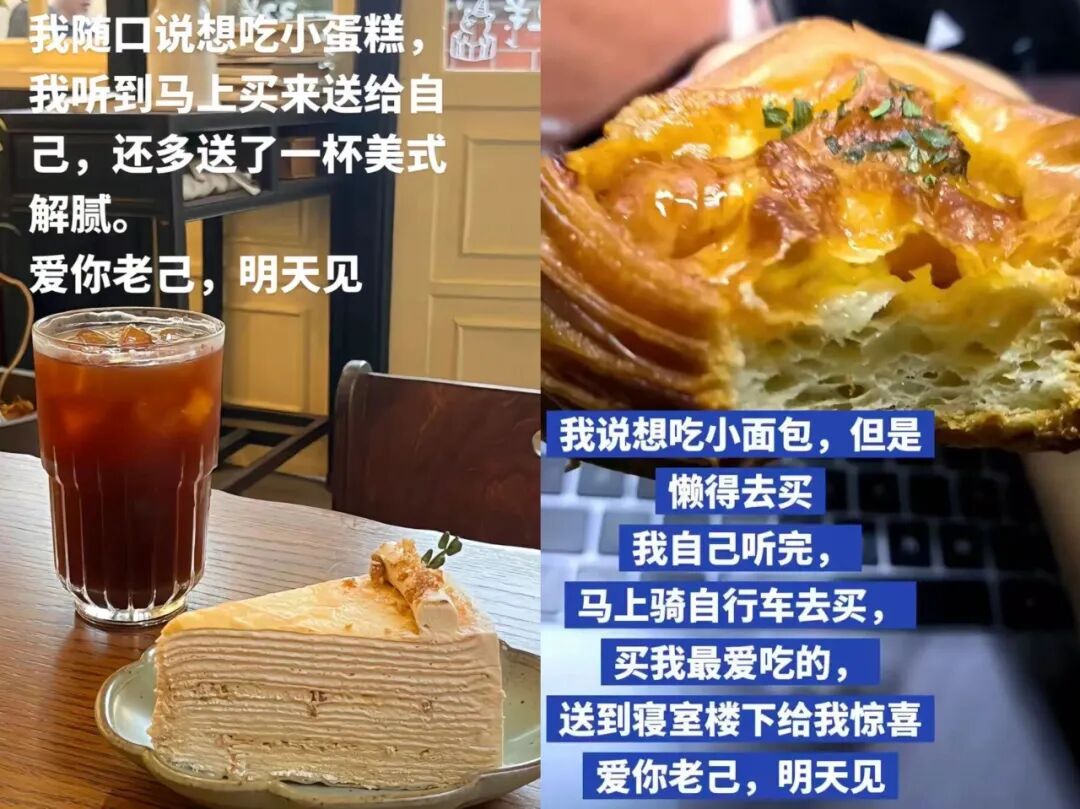
年终压轴的“爱你老己”,为何登上年轻人热榜?
3 6 Ke· 2025-12-24 01:44
Core Viewpoint - The phrase "I love you, old self" has become a viral trend on social media, reflecting a collective movement among young people towards self-care and emotional expression, with over 730 million views on platforms like Douyin [1][3]. Group 1: Evolution of Self-Care Language - The term "old self" signifies a shift in how young people express self-love, moving from self-criticism to a more nurturing dialogue with themselves [4][10]. - Young individuals are using this phrase to create a sense of ritual in everyday activities, transforming mundane tasks into acts of self-compassion [4][6]. Group 2: Emotional Expression and Community Engagement - The trend has led to a surge in creative expressions, with users writing apology letters to their "old selves," reflecting on personal struggles and emotional burdens [6][8]. - Various content formats, including videos and handwritten notes, showcase a diverse range of emotional experiences, fostering a sense of community and shared understanding among users [8][12]. Group 3: Addressing Emotional Needs - The emergence of "old self" language fills a gap in the emotional needs of contemporary youth, who face pressures from work and social expectations, leading to cycles of self-criticism [10][12]. - This new approach to self-love emphasizes companionship with oneself, making the concept of self-care more relatable and accessible [12][14]. Group 4: Cultural Shift in Content Consumption - Young people are increasingly seeking content that resonates with their emotional experiences, preferring authentic expressions over superficial entertainment [18]. - The popularity of "I love you, old self" reflects a broader cultural shift towards valuing genuine emotional connections and self-acceptance [18][19].

“爱你老己”与苦中作乐的中国年轻人
虎嗅APP· 2025-12-20 03:27
Core Viewpoint - The article discusses the emerging trend of self-love among young people, encapsulated in the phrase "I love you, old self," which signifies a shift towards prioritizing self-care and self-acceptance in a challenging societal context [10][22][67]. Group 1: Cultural Context - The phrase "I love you, old self" is a humorous yet poignant expression of self-acceptance, suggesting that while love may have conditions, the commitment to oneself is unwavering [6][10]. - This trend reflects a broader cultural shift where young people are increasingly focusing on self-care amidst societal pressures and expectations [27][67]. Group 2: Psychological Implications - The concept of "old self" serves as a coping mechanism, allowing individuals to externalize their self-care needs and address their emotional struggles in a supportive manner [23][33]. - The article highlights a collective psychological response to societal pressures, where young people create a fictional caregiver role to navigate their emotional challenges [23][36]. Group 3: Social Commentary - The article critiques the societal expectation of success and the pressure to conform to performance metrics, suggesting that self-love offers a form of rebellion against these norms [27][71]. - It emphasizes the importance of self-acceptance in a world where traditional support systems are perceived as unreliable, advocating for a shift in focus from external validation to internal fulfillment [62][67]. Group 4: Future Outlook - The article posits that the trend of self-love may evolve as societal conditions change, potentially leading to a more profound transformation in how young people relate to themselves and their communities [60][71]. - It suggests that while the current focus is on self-care, future developments may lead to a more active engagement with societal issues as young people seek to reclaim their agency [60][72].