发疯文学

Search documents
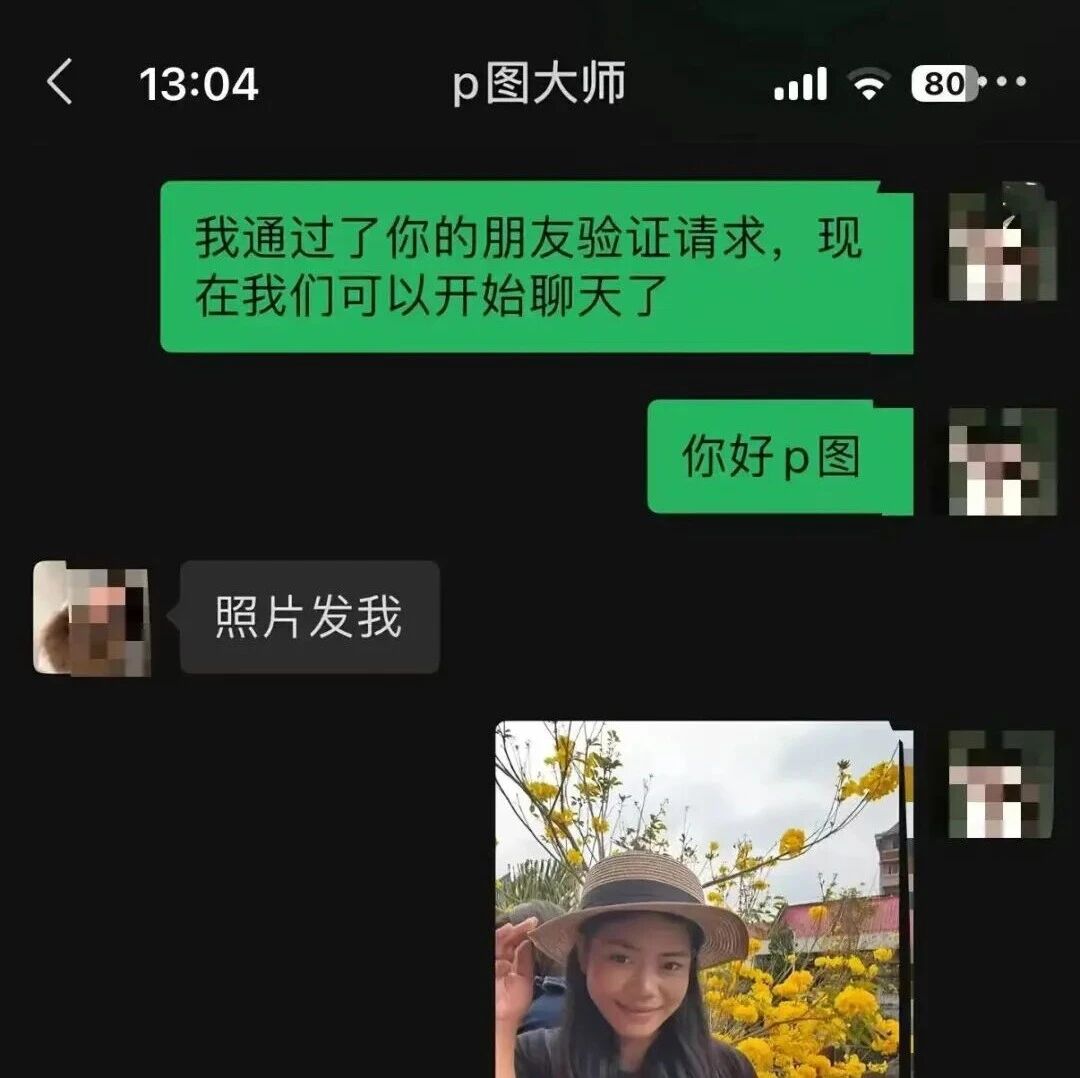
大侠后宫:“付费p图师发来照片后我沉默了…?”哈哈哈扔下照片就走留我笑的像个傻子!
猿大侠· 2026-03-22 04:11
Group 1 - The article discusses a humorous incident involving a payment for photo editing services that was rejected, leading to a comedic exchange [1][3][4] - The reactions from various users highlight the absurdity of the situation, with many finding humor in the unexpected outcome of receiving a cat photo instead of the edited image [5][6][10] - The overall tone of the article reflects a light-hearted take on modern online interactions and the quirks of digital transactions [2][4][5] Group 2 - The article includes various comments from readers, showcasing a range of humorous perspectives on the incident, emphasizing the community's engagement with the content [5][6][10] - It illustrates how social media can amplify everyday situations into shared comedic experiences, fostering a sense of connection among users [5][6][10] - The narrative serves as a commentary on the unpredictability of online services and the humorous potential of misunderstandings in digital communication [1][3][4]

年终压轴的“爱你老己”,为何登上年轻人热榜?
3 6 Ke· 2025-12-24 01:44
Core Viewpoint - The phrase "I love you, old self" has become a viral trend on social media, reflecting a collective movement among young people towards self-care and emotional expression, with over 730 million views on platforms like Douyin [1][3]. Group 1: Evolution of Self-Care Language - The term "old self" signifies a shift in how young people express self-love, moving from self-criticism to a more nurturing dialogue with themselves [4][10]. - Young individuals are using this phrase to create a sense of ritual in everyday activities, transforming mundane tasks into acts of self-compassion [4][6]. Group 2: Emotional Expression and Community Engagement - The trend has led to a surge in creative expressions, with users writing apology letters to their "old selves," reflecting on personal struggles and emotional burdens [6][8]. - Various content formats, including videos and handwritten notes, showcase a diverse range of emotional experiences, fostering a sense of community and shared understanding among users [8][12]. Group 3: Addressing Emotional Needs - The emergence of "old self" language fills a gap in the emotional needs of contemporary youth, who face pressures from work and social expectations, leading to cycles of self-criticism [10][12]. - This new approach to self-love emphasizes companionship with oneself, making the concept of self-care more relatable and accessible [12][14]. Group 4: Cultural Shift in Content Consumption - Young people are increasingly seeking content that resonates with their emotional experiences, preferring authentic expressions over superficial entertainment [18]. - The popularity of "I love you, old self" reflects a broader cultural shift towards valuing genuine emotional connections and self-acceptance [18][19].

李诞:人间不值得,但我还在人间
虎嗅APP· 2025-10-06 03:07
Core Viewpoint - The article discusses the evolution of Li Dan, a prominent figure in the Chinese entertainment industry, highlighting his transition from a successful comedian to a live-streaming influencer, reflecting broader societal changes and the coping mechanisms of the younger generation in the face of modern pressures [4][5][6]. Group 1: Li Dan's Career Transition - Li Dan has re-emerged in the entertainment scene after a hiatus, now primarily known for his live-streaming sales, particularly in snacks, achieving impressive sales figures despite higher prices [12][13]. - His live-streaming style is characterized by a casual and humorous approach, often engaging with fans in a way that prioritizes emotional connection over traditional sales tactics [18][20]. - The live-streaming platform serves as a space for audiences to find solace and laughter amidst life's pressures, with Li Dan providing a form of emotional support through his interactions [22][24]. Group 2: Societal Reflections - The article reflects on the changing societal landscape, where humor and absurdity have become coping mechanisms for the younger generation facing increasing stress and anxiety [19][21]. - Li Dan's content resonates with audiences who seek relief from their daily struggles, illustrating a shift in cultural values towards finding joy in the mundane and absurd [40][42]. - The narrative emphasizes that while the younger generation may appear to be "lying flat" or disengaged, they are actively navigating their realities, often through humor and community [55][58]. Group 3: Historical Context and Personal Journey - The article traces Li Dan's journey from a struggling writer to a successful comedian, highlighting his early influences and the challenges he faced in the entertainment industry [28][30]. - It discusses the impact of the pandemic on his career, leading to significant setbacks, yet showcasing his resilience and adaptability in the face of adversity [44][46]. - Li Dan's story is positioned within a broader historical context, reflecting the experiences of a generation that has witnessed economic and social upheaval, drawing parallels with past literary movements [54][57].

爱上发疯的年轻人,对着AI狠狠发癫
3 6 Ke· 2025-06-26 08:08
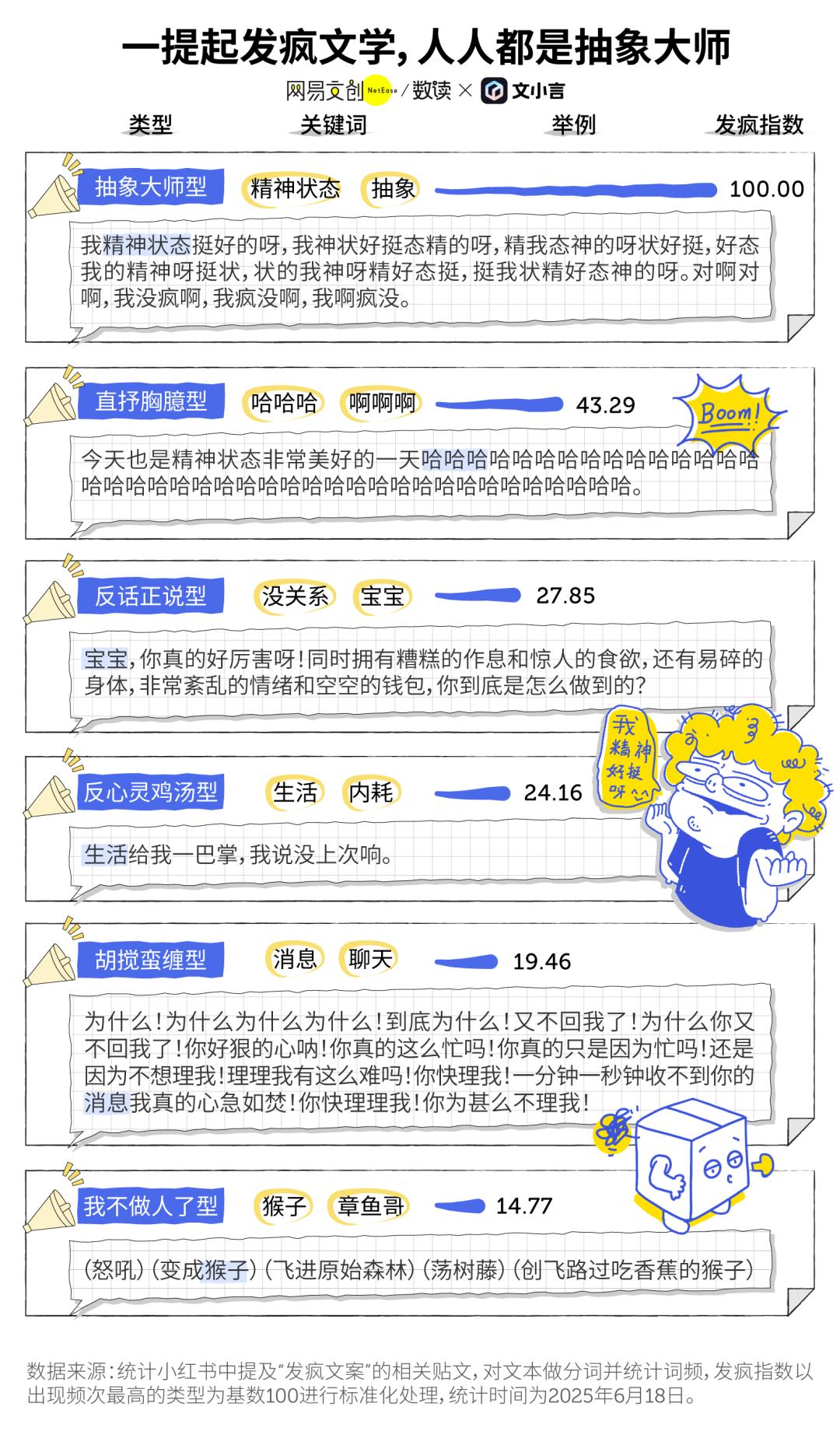
Group 1 - The core viewpoint of the article highlights the evolving mindset of young people from "lying flat" to "going crazy," indicating a shift in how they cope with life's challenges [2][19] - The phenomenon of "crazy literature" has emerged as a popular form of expression among young people, characterized by chaotic language and emotional intensity, reflecting their frustrations and resistance against societal norms [3][12] - Young individuals are increasingly finding that expressing their frustrations through "going crazy" is not only acceptable but also beneficial, allowing them to reclaim a sense of control in their lives [13][20] Group 2 - The article discusses various contexts in which young people express their frustrations, such as at home, in the workplace, and during family gatherings, where emotional outbursts are often triggered by familiar relationships [13][16] - The concept of "going crazy" is portrayed as a form of emotional release that can lead to a sense of freedom and empowerment, enabling individuals to confront challenges more effectively [16][19] - The rise of AI as a supportive tool for young people is noted, with many using generative AI as a low-barrier outlet for their frustrations, providing companionship and understanding without judgment [22][30]