联合定价

Search documents
特朗普访华前,向全球下最后通牒,必须对中国动手,不帮忙就加税
Sou Hu Cai Jing· 2026-01-18 08:41
Core Viewpoint - The article discusses the U.S. government's recent actions regarding rare earth minerals, emphasizing the pressure on allies to diversify supply chains away from China and the implications of a new presidential announcement that threatens tariffs and import quotas if agreements are not reached within 180 days [1][4][12]. Group 1: U.S. Strategy on Rare Earth Minerals - The U.S. aims to compel allies to diversify their supply chains for critical minerals, particularly targeting reliance on China [4][6]. - Allies are required to invest in rare earth processing facilities outside of China and ensure long-term purchasing agreements with U.S. companies [4][6]. - The U.S. seeks to establish a buyer alliance among major consuming countries to set minimum purchase prices for rare earths, aiming to undermine China's market influence [6][8]. Group 2: Challenges and Resistance - Experts indicate that creating a stable supply chain independent of China will require over a decade and substantial financial investment, highlighting the impracticality of the U.S. demands [8][10]. - Internal disagreements among G7 countries regarding the approach to China complicate the U.S. strategy, with concerns about rising costs and technological challenges for Western companies [10][12]. - The U.S. approach is seen as a political maneuver that could disrupt established market dynamics, raising questions about the feasibility of such rapid changes in supply chains [12].

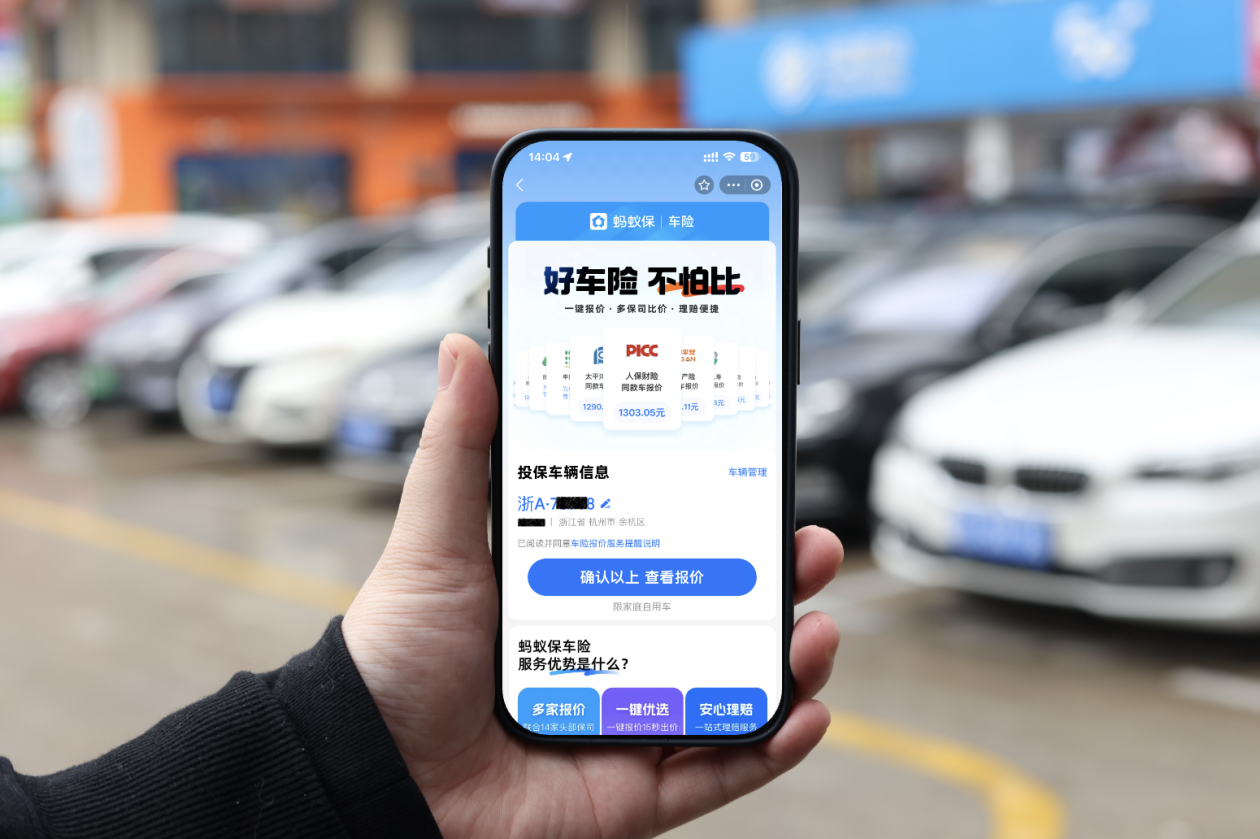
车险服务迈向“秒级时代”,互联网平台如何重建产业价值分配?
Huan Qiu Wang· 2025-11-27 09:10
Core Insights - The car insurance market is undergoing a multi-dimensional transformation, with Ant Insurance integrating the "Anxin Pei" service for faster claims processing, indicating a shift towards digitalization in the industry [1][2] - Ant Insurance's car insurance business is projected to exceed 10 billion yuan in 2024, capturing 30% of the online car insurance market, with over 100 million users having accessed the platform [2][4] Online Migration and Pain Point Resolution - Car insurance premiums account for 54.7% of total property insurance premiums in China, highlighting its significant role in the market [2] - Traditional car insurance faces three main pain points: price opacity, complex plans, and excessive marketing calls, which Ant Insurance aims to address through its platform [2][4] Technological Reconstruction of Pricing Logic - The traditional pricing model based on vehicle factors is becoming inadequate in the era of electric vehicles, prompting a shift to a "joint pricing" model that combines user and vehicle data for accurate risk assessment [5][6] - The implementation of this technology has led to an average reduction of 3 percentage points in comprehensive cost rates for partner insurers, significantly impacting the profitability of the car insurance sector [5] Challenges from New Energy and Smart Vehicles - The rise of electric vehicles is reshaping the car insurance landscape, with a comprehensive cost rate exceeding 110%, leading to dissatisfaction among car owners and losses for insurers [6][7] - The integration of smart driving technology is expected to fundamentally change risk distribution and liability recognition in car insurance, with potential long-term reductions in overall risk [7][8] International Expansion and Innovation Boundaries - The competition in car insurance is extending internationally, particularly in Southeast Asia, as Chinese electric vehicle exports increase [8] - Ant Insurance is exploring partnerships with leading new energy vehicle manufacturers to leverage data technology and actuarial expertise, indicating a shift from price competition to a focus on technology, data, and service [8]