股票牛市

Search documents
2026十大超预期:股票牛市超预期,大宗商品涨价超预期,货币贬值超预期,黑天鹅超预期,大部分人不赚钱超预期
Sou Hu Cai Jing· 2026-02-18 03:56
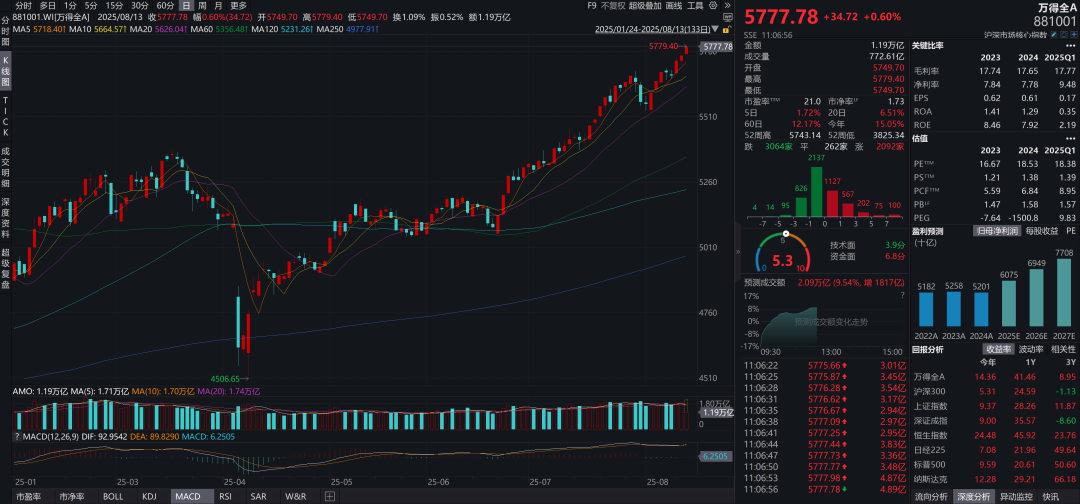
Group 1 - The Federal Reserve is expected to implement more aggressive monetary easing, driven by high national debt and interest payments, with Trump advocating for lower interest rates [3] - A significant surge in commodity prices is anticipated due to a combination of dollar depreciation, the Kondratiev wave cycle, and increased demand from AI, marking a potential "year of commodities" [4] - The wealth creation narrative is highlighted by Elon Musk's net worth surpassing $800 billion and the acquisition of AI unicorn MANUS by META for billions [7] Group 2 - An unprecedented stock market bull run is predicted, driven by policy, technology, and investor confidence [8] - Non-typical inflation is emerging, with stark contrasts in job markets and salaries between tech sectors and traditional industries [9] - Currency devaluation is expected, with a shift towards physical assets like gold and lithium, impacting cash asset holders [10] Group 3 - The trend of dollar devaluation and de-dollarization is gaining traction, with Trump advocating for a weaker dollar to benefit U.S. manufacturing [13] - The rise of new AI applications is anticipated, with predictions of significant job automation in white-collar sectors within the next 12-18 months [15] - Geopolitical tensions and trade wars are expected to create "black swan" events, impacting market stability [16] Group 4 - A significant portion of the population is projected to not profit from the upcoming bull market due to poor trading strategies and lack of fundamental analysis [17]

股市慢牛的基本面逻辑:地产才是股市的死敌
Hu Xiu· 2025-08-14 01:39
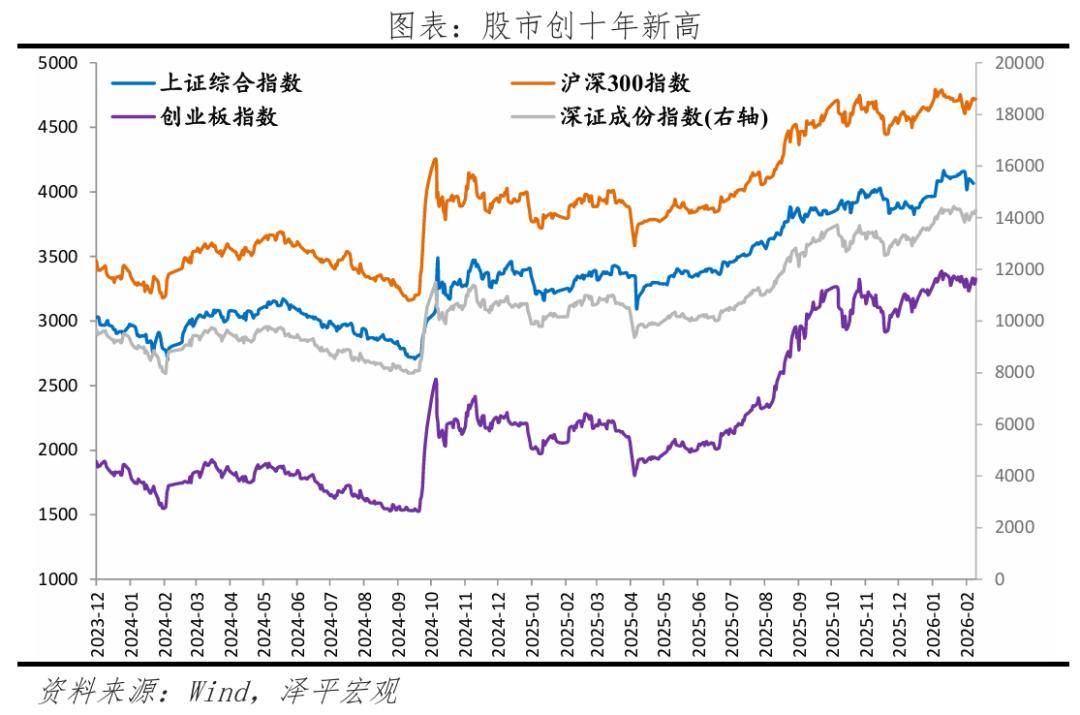
Group 1 - The article discusses the ongoing stock market bull run in China, contrasting it with historical economic events like the repeal of the Corn Laws in 1846, suggesting that the current market dynamics are similar in nature [4][30]. - It highlights the struggle between landlords and business owners, indicating that rising rents can significantly impact business profitability and valuation, leading to a low price-to-earnings (PE) ratio for the CSI 300 index [19][20]. - The article argues that the deep connection between China's economy and the real estate sector has historically constrained corporate profits, which explains the prolonged stagnation of the Shanghai Composite Index around 3000 points [25][26]. Group 2 - The narrative emphasizes a shift in the economic landscape, where the government is moving away from a real estate-centric economy towards a more balanced approach that enhances the attractiveness of the capital market [27][28]. - It posits that the current economic transformation signifies the end of an era where landlords exerted significant control over businesses, allowing profits to flow more freely to shareholders [29][30]. - The article concludes that the transition from a "land rent economy" to a "shareholder economy" is crucial for sustainable economic growth, challenging the notion that a stable real estate market is necessary for stock market performance [32][33].