
能源出口

Search documents
普京:希望中东战事几周内结束
第一财经· 2026-03-27 00:27
Group 1 - The core viewpoint is that Russian President Putin expressed hope for the quick resolution of the Middle East conflict during a meeting with business leaders, indicating that the current excess profits from energy exports due to the conflict will not last long [1][2] - Putin emphasized that the Russian government and related enterprises should not expect long-term "windfall profits" from the ongoing situation in the Middle East [1] - The Russian government's stance is aligned with a desire for the cessation of hostilities in the region, as indicated by spokesperson Peskov [2] Group 2 - The conflict in the Middle East has led to significant disruptions in global energy transportation, particularly in the Strait of Hormuz, resulting in substantial fluctuations in international oil prices [2] - The military actions initiated by the US and Israel against Iran have escalated tensions, affecting various regional countries and contributing to the volatility in oil markets [2]

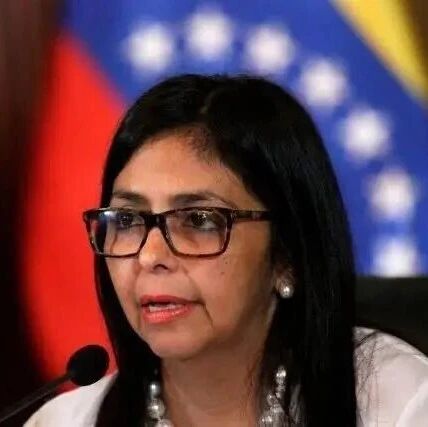
委内瑞拉代总统:首次向邻国哥伦比亚出口液化石油气
中国能源报· 2026-03-14 09:12
Core Viewpoint - Venezuela has initiated its first export of liquefied petroleum gas (LPG) to Colombia, marking a significant step in energy trade between the two countries [1][3]. Group 1: Export Details - The Venezuelan government, represented by Acting President Delcy Rodríguez, announced the first shipment of LPG, specifically butane, which has crossed the Simón Bolívar Bridge at the Venezuela-Colombia border [1]. - Future plans include the export of natural gas to Colombia through pipelines within the coming months [1]. Group 2: Diplomatic Engagement - A Colombian delegation, including Foreign Minister Álvaro Leyva, Defense Minister Pedro Sánchez, and Energy Minister Edwin Palma, visited Venezuela to discuss various topics, including energy, security, trade, and tourism [1]. - The meeting reflects a broader diplomatic engagement between Venezuela and Colombia, focusing on enhancing bilateral relations [1]. Group 3: Contextual Background - The announcement follows a significant military intervention by the U.S. in January, which involved the capture of Venezuelan President Maduro and his wife, leading to a shift in the control of Venezuela's oil resources [1]. - U.S. President Trump indicated that American oil companies would be allowed to invest in Venezuela as part of a transition to a "safe" governance [1].
委内瑞拉代总统宣布:已签署!
中国能源报· 2026-01-17 10:23
Group 1 - Venezuela has officially launched the export of liquefied petroleum gas (LPG) after signing commercialization contracts [3] - The announcement was made by interim President Delcy Rodríguez during a meeting of the National Productive Economic Council [3] - This achievement is directly related to the efforts made by Venezuela's national oil and gas industry to enhance production levels [3]

加拿大一部长因反对输油管道项目辞职
Xin Hua She· 2025-11-28 06:29
Core Viewpoint - The resignation of Steven Guilbeault, Canada's Minister of Identity and Culture, highlights a significant conflict regarding energy policy and environmental priorities within the Canadian government, particularly in relation to a new oil pipeline project aimed at enhancing energy exports to Asia and reducing dependence on the U.S. market [1] Group 1: Resignation and Political Context - Steven Guilbeault announced his resignation on November 27, opposing the oil pipeline project that the Canadian federal government agreed to pursue with Alberta province [1] - Guilbeault's resignation comes just hours after the agreement was reached, indicating a strong disagreement with the current government's direction on environmental issues [1] - He previously served as Minister of Environment and Climate Change, where he implemented various policies that he believes are now being undermined by the current administration [1] Group 2: Pipeline Project and Economic Implications - The new oil pipeline project is expected to significantly enhance Canada's energy export capacity to Asia, which could lead to reduced reliance on the U.S. market for energy exports [1] - The project will be funded by the private sector, indicating a shift towards private investment in energy infrastructure [1] - This development reflects ongoing tensions between economic growth initiatives and environmental protection policies within the Canadian government [1]
特朗普与普京8月15日阿拉斯加见,美俄领导人4年来首次线下会晤
Di Yi Cai Jing· 2025-08-09 01:23
Core Viewpoint - The ongoing conflict between Russia and Ukraine shows no signs of easing, despite Trump's high-profile involvement in mediation efforts [1][7] Group 1: Meeting Announcement - Trump announced a meeting with Putin on August 15 in Alaska, marking the first in-person meeting between U.S. and Russian leaders in four years [1] - The focus of the meeting will be on achieving a long-term peace solution for Ukraine, as confirmed by Russian officials [1] - This meeting follows a series of communications between Trump and Putin, with six phone calls occurring in the first half of the year [1] Group 2: Sanctions and Pressure Tactics - Trump issued a "last ultimatum" to Russia regarding sanctions, setting a deadline for peace talks to be completed by August 8 [3] - If Russia fails to achieve a ceasefire within the specified 10-day period, the U.S. plans to impose tariffs and additional sanctions [3] - Trump's approach has included progressively tightening deadlines for negotiations, reflecting a shift from an initial 24-hour ultimatum to a more recent 10-day limit [3] Group 3: Implications of Energy Exports - The potential for secondary tariffs on Russian energy exports indicates a significant leverage point for the U.S. in negotiations [4] - Trump's threats towards India regarding Russian oil imports suggest a broader strategy to isolate Russia economically [5] - Experts believe that Trump's tactics may undermine trust between the conflicting parties, complicating the negotiation process [5] Group 4: Outlook on Peace Talks - The possibility of a meeting between Putin and Zelensky is acknowledged, but conditions for such a meeting remain unmet [6] - Zelensky emphasized that the initiative for ending the conflict lies with Russia, calling for a ceasefire as a prerequisite for negotiations [6] - European leaders, including the EU Commission President, have expressed strong support for Ukraine and a commitment to facilitating a just and lasting peace [6]
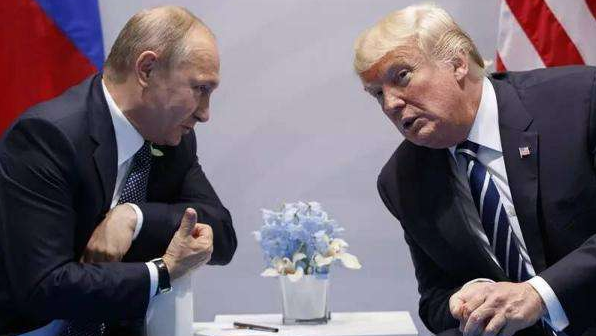
美国总统特朗普:将出口销售能源。
news flash· 2025-04-22 21:27
Core Viewpoint - President Trump announced plans to increase energy exports from the United States, aiming to enhance the country's position in the global energy market [1] Group 1: Energy Export Strategy - The administration's strategy focuses on boosting the export of various energy resources, including oil and natural gas, to meet international demand [1] - This initiative is expected to create new job opportunities within the energy sector and stimulate economic growth [1] Group 2: Market Implications - Increased energy exports may lead to a more competitive pricing environment in the global market, potentially affecting domestic energy prices [1] - The move is likely to strengthen trade relationships with other countries, particularly those reliant on energy imports [1]