能源定价权

Search documents
大豆交易刚完成,美国公开摊牌:中国再也买不到委内瑞拉便宜石油
Sou Hu Cai Jing· 2026-01-24 07:16
一、从封死交易到卡死价格,话已经变了:最初,美国财长在达沃斯论坛上言辞激烈地表示,中国将无法再购买委内瑞拉石油。这番话语气严厉,结论也似 乎已定,透露出强烈的政治威胁。然而,随着更多细节的曝光,美方的立场开始出现变化。美方官员随后澄清,实际上并未完全禁止中国购买委内瑞拉原 油,而是要求不再沿用过去的价格体系。所谓的低价倾销问题被反复提及,公平市场价也成为了新的标准。这样的表态,显然不只是措辞上的调整,更是现 实条件下的一种退让。美国显然意识到,想要彻底封锁并不现实,也没有足够的成本去支撑长久的封锁。于是,策略逐渐改变,不再单纯追求让中国买不 到,而是希望让中国买不划算。 二、不抢油量,先抢定价权,才是核心:看似中国与委内瑞拉之间的石油交易问题,实则根本是定价权的问题。多年来,中国与委内瑞拉的石油交易,嵌入 了债务偿还和长期合作的框架中。这个模式的关键并不在于交易数量,而在于价格以及抛弃美元结算的方式。通过这种方式,中国绕开了全球市场的波动, 也削弱了制裁的有效性。这恰恰是美国无法容忍的地方。美国接管了委内瑞拉石油的销售,但并未真正让委内瑞拉自由进入市场。相反,重新设计了原油的 流向,要求大量原油优先销往美国, ...


印外长苏杰生硬刚美国:25%惩罚性关税不怕,34%俄油进口一分不减
Sou Hu Cai Jing· 2025-10-28 04:20
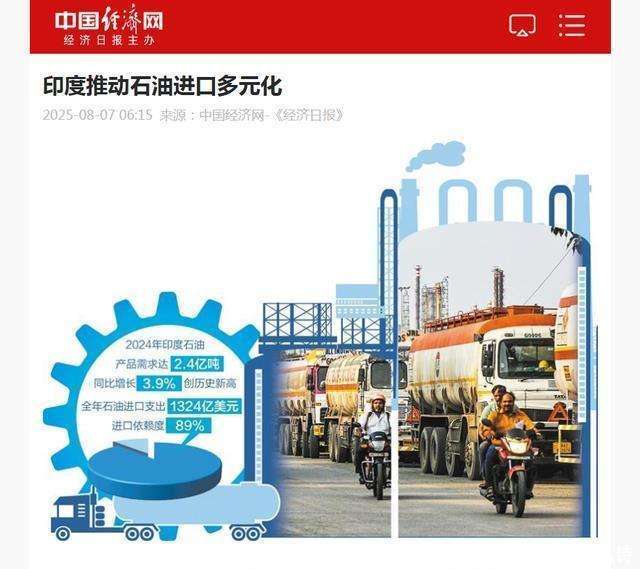
Core Viewpoint - The article discusses India's firm stance against U.S. pressure regarding oil imports from Russia, highlighting India's strategic economic calculations and diplomatic maneuvers to maintain its energy security and economic interests [2][4][24]. Group 1: India's Energy Economic Calculations - India imports 85% of its crude oil and is the world's third-largest oil consumer, with a daily consumption sufficient to circle Mumbai port multiple times [4][6]. - Since the outbreak of the Russia-Ukraine conflict in 2022, India has increasingly turned to Russian oil, which is priced 10 to 15 USD cheaper per barrel than Middle Eastern oil, allowing India to save over 4 billion USD annually [4][6]. - Russian oil has become India's largest supply source, accounting for 34% of total imports, with 1.6 million barrels supplied daily [6][7]. Group 2: U.S. Miscalculations - The U.S. imposed a 25% tariff on India due to failed trade agreements and later increased tariffs related to Russian energy imports, using the justification that India's purchases exacerbate the Ukraine conflict [9][24]. - India's Foreign Minister highlighted the inconsistency in U.S. policy, questioning why other nations can continue purchasing Russian oil while India is singled out [9][24]. Group 3: India's Dual Response Strategy - India has initiated a "dual response" strategy, seeking new trade agreements to mitigate the impact of U.S. tariffs, such as a free trade agreement with the UK that has led to a 22% increase in exports of textiles and agricultural products [12][24]. - India is also actively collaborating with other nations to expose Western hypocrisy regarding energy needs, gaining support from countries like Brazil and South Africa [14][24]. Group 4: Energy Countermeasures - India is challenging Western energy pricing power by collaborating with Saudi Arabia, the UAE, China, and Russia to develop third-party energy markets in Africa, providing low-cost oil to African nations [18][24]. - The upcoming BRICS "Energy Security Conference" in 2025 aims to unify member countries for joint oil procurement, enhancing India's negotiating power with oil-producing nations [20][24]. Group 5: U.S.-India Relations - The U.S. attempts to rally allies in the Asia-Pacific region to pressure India, but India is pursuing dialogue with China and renewing military cooperation with Russia, emphasizing the importance of partnerships over confrontation [22][24]. - India's actions reflect a calculated approach to safeguard its interests, demonstrating that developing countries' voices and needs should not be overlooked in international relations [24].
会谈结束不到48小时,乌克兰前线告急,能源定价权向俄罗斯倾斜?
Sou Hu Cai Jing· 2025-08-18 11:20
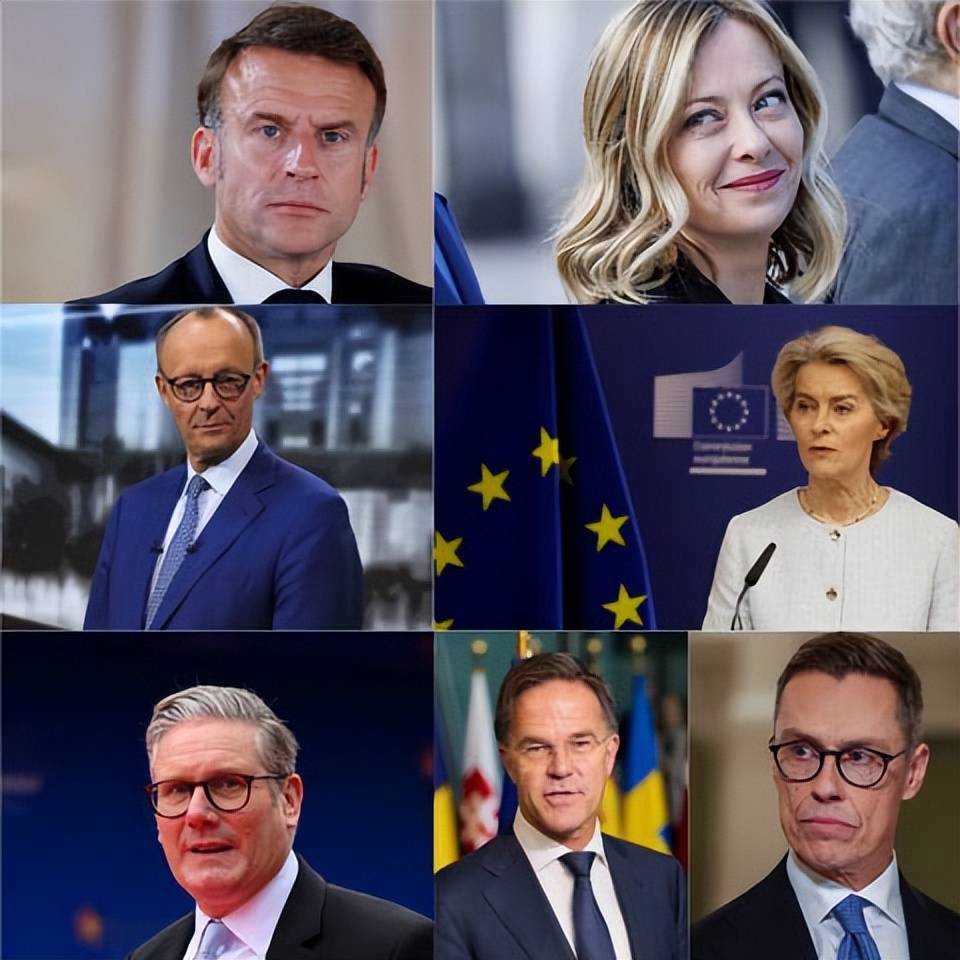
Group 1 - The core issue of the ongoing Russia-Ukraine conflict is the energy pricing power, which is highlighted by the recent talks between Trump and Putin, as well as the military advancements of Russian forces in Donetsk [1] - The meeting between Zelensky and EU leaders in the U.S. is perceived as a strategic move to prevent potential territorial and energy resource negotiations between Trump and Putin [1][3] - The U.S. sanctions on Russia have led to a shift in the oil market, with Russia increasingly trading in currencies like the yuan and ruble, undermining the dollar's dominance in oil transactions [3][5] Group 2 - Europe is facing significant economic pressure due to the loss of Russian oil supplies, which has led to internal divisions within the EU, a situation that benefits Russia [7] - Despite sanctions, Russia's GDP has shown slight growth, indicating that the effectiveness of these sanctions is diminishing as Russia finds ways to circumvent them [7][8] - The global energy market is undergoing a transformation, with the potential for Russian oil to re-enter the dollar settlement system, posing new challenges for the U.S. energy market [8][10]