
腊八节

Search documents
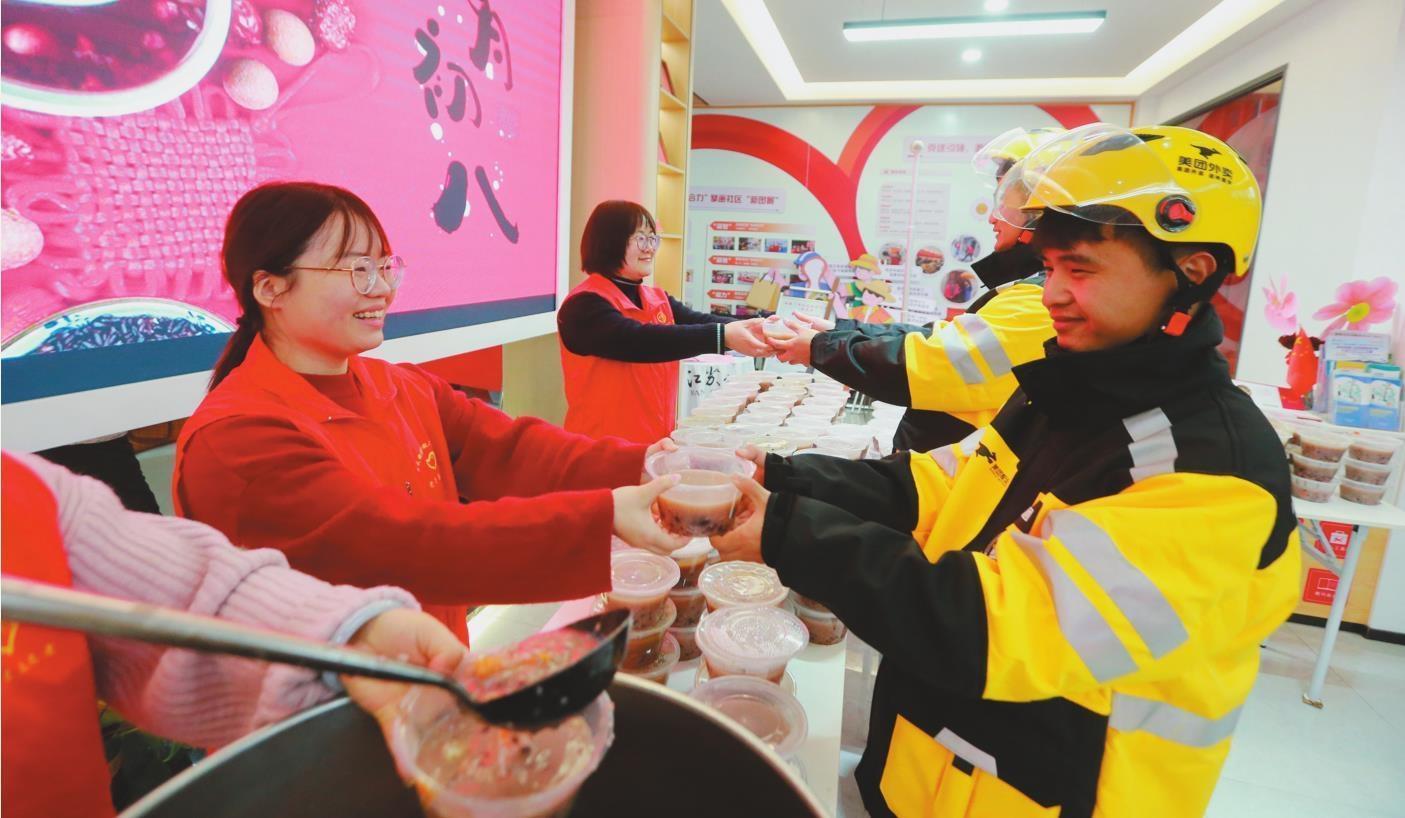
腊八粥香暖人心
Xin Lang Cai Jing· 2026-01-26 22:08
Group 1 - The article highlights the celebration of the traditional Chinese "Laba Festival" on January 26, which is the eighth day of the twelfth lunar month, where people have the custom of drinking Laba porridge [3] - Volunteers in Yangzhou, Jiangsu Province, are actively participating in community service by delivering Laba porridge to delivery workers, showcasing community support and solidarity [3] Group 2 - The event emphasizes cultural traditions and community engagement, reflecting the importance of social responsibility during festive occasions [3] - The article serves as a reminder of the significance of traditional customs in modern society, particularly in fostering community ties [3]

腊八品贡柑,岁岁皆甜安
Nan Fang Nong Cun Bao· 2026-01-26 03:35
Core Viewpoint - The article emphasizes the cultural significance of the Laba Festival in China, highlighting the traditional practices associated with it, particularly the consumption of Laba porridge and the enjoyment of Deqing Gonggan, a type of citrus fruit that symbolizes good fortune and sweetness for the upcoming year [2][11][22]. Group 1: Laba Festival Traditions - The Laba Festival marks the beginning of the New Year celebrations, with a strong emphasis on food, particularly Laba porridge made from various grains and dried fruits, symbolizing health and family reunion [2][3][4]. - The festival is characterized by a warm atmosphere, where the aroma of Laba porridge signifies the gathering of family and the anticipation of the New Year [4][6]. Group 2: Deqing Gonggan - Deqing Gonggan, known as the "Emperor Orange," has a history of over 1300 years and is celebrated for its unique flavor, combining the crispness of oranges and the sweetness of pomelos, making it a perfect treat for the festive season [9][10]. - The fruit is not only delicious but also carries auspicious meanings, with its golden skin symbolizing wealth and prosperity, while its sweet flesh represents happiness and smooth sailing in life [12][14][15]. Group 3: Cultural Significance - The article highlights the local customs in southern China, where citrus fruits like Gonggan are associated with good luck, and the practice of gifting them during the New Year is common [12][13]. - The combination of Laba porridge and Deqing Gonggan during the festival serves to blend the flavors of northern and southern Chinese New Year traditions, creating a rich cultural experience [17][18].

过了腊八就是年, 一年一岁一团圆
Qi Lu Wan Bao· 2026-01-26 03:31
Group 1 - The core idea of the articles revolves around the significance and customs associated with the Laba Festival, particularly the consumption of Laba porridge [3][5][8] - The origin of the Laba Festival is linked to ancient customs of year-end sacrifices, with the term "Laba" symbolizing the transition between old and new, as well as the expulsion of misfortune and welcoming of spring [5] - Laba porridge, also known as "Seven Treasures and Five Flavors Porridge," is made from various ingredients and is traditionally consumed on this day, often first offered to deities and ancestors [8][10] Group 2 - The practice of making Laba vinegar involves soaking garlic in vinegar, a tradition particularly prevalent in northern China, which is consumed during the New Year celebrations [10][11] - Various legends associated with Laba include stories of historical figures like Yue Fei and Zhu Yuanzhang, who are said to have eaten porridge on this day during difficult times, leading to the establishment of the Laba porridge tradition [14][16][17] - The day is also significant in Buddhism, marking the enlightenment of Siddhartha Gautama (Buddha), which has led to the custom of preparing porridge in his honor [19]
过了腊八就是年
Xin Lang Cai Jing· 2026-01-25 20:20
Group 1 - The core idea of the article is that the Laba Festival, celebrated on the eighth day of the twelfth lunar month, marks the beginning of the New Year celebrations in China [1][2] - The Laba Festival has historical significance, originating from the pre-Qin period as an important day for ancestor worship and honoring deities [1] - The custom of drinking Laba porridge began in the Song Dynasty and became widespread during the Qing Dynasty, symbolizing the countdown to the Spring Festival [1]
今日,大寒
Xin Lang Cai Jing· 2026-01-20 12:45
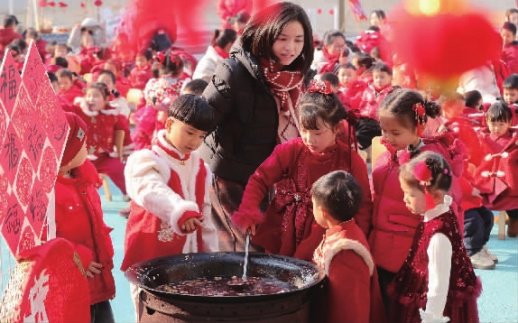
Core Viewpoint - Major Cold, the last of the 24 solar terms, signifies the peak of winter cold and marks the transition to the Chinese New Year, highlighting various cultural practices associated with this period [1][2] Group 1: Seasonal Characteristics - Major Cold occurs between January 20 and 21, representing the coldest time of the year and the period with the least rainfall [1][2] - This season is characterized by frequent cold waves affecting the northern hemisphere, indicating extreme cold conditions [1][2] Group 2: Cultural Practices - Numerous folk customs are observed from Major Cold to the Chinese New Year, including eating glutinous foods, cleaning homes, and preparing for the New Year [1][2] - The Laba Festival is celebrated during this time, featuring the preparation of Laba congee, symbolizing warmth and well-being for the upcoming year [1][2]