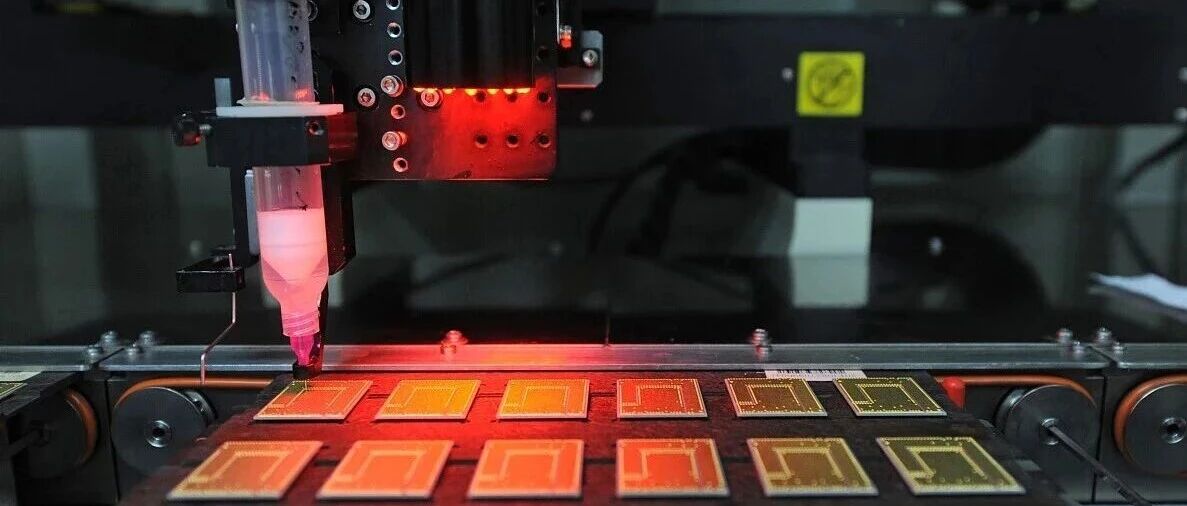
芯片制程工艺

Search documents
全球首发1.8nm芯片,华人CEO,救活了美国芯片标杆企业?
Sou Hu Cai Jing· 2026-01-09 04:24
Group 1 - The core point of the article highlights that while Samsung and TSMC have not yet mass-produced 2nm chips as promised, Intel has successfully mass-produced 1.8nm chips, which are more advanced than the 2nm offerings from its competitors [1][3]. - Intel officially launched the third generation of its Core Ultra processors, codenamed Panther Lake, at CES 2026, utilizing the Intel 18A process node, which corresponds to a 1.8nm technology [3][5]. - The Core Ultra 300 series boasts significant performance improvements over the previous 288V series, with single-core performance exceeding 40%, multi-core performance also exceeding 40%, and graphics performance up by 77% compared to the previous generation [5]. Group 2 - Intel's resurgence is attributed to its CEO, Pat Gelsinger, who implemented drastic measures including layoffs of over 20,000 employees and the elimination of unprofitable business segments, focusing on core CPU and GPU operations [7][9]. - The company secured substantial funding, including $8.9 billion from the U.S. government, $5 billion from NVIDIA, and $2 billion from SoftBank, which helped streamline its operations and enhance its market position [9]. - Intel's market value surged by 80% last year, indicating a recovery in its business and a significant competitive edge over TSMC and Samsung with the introduction of its 1.8nm chip technology [9].


高盛:中国光刻机落后20年!
国芯网· 2025-09-02 13:20
Core Viewpoint - The report from Goldman Sachs indicates that China's domestic lithography machines can only produce chips with a 65nm process, lagging approximately 20 years behind international leader ASML [1][3]. Group 1: Current State of Chinese Semiconductor Technology - Although China can produce 7nm process chips, it likely relies on older DUV lithography machines from ASML, as China lacks the capability to manufacture such equipment [3]. - The latest High-NA EUV lithography machines from ASML are crucial for processes below 1.4nm and have begun delivery to major companies like Intel, TSMC, and Samsung [3]. - ASML's lithography machines have taken 20 years and $40 billion in R&D and capital expenditures to evolve from 65nm to 3nm and below [3]. Group 2: Market Dynamics and Competition - The global lithography machine market is dominated by ASML, which holds over 80% market share, and 100% of the advanced EUV lithography machine market [4]. - The relationship between lithography machines and chip manufacturing processes is direct, with specific machines designed for corresponding process nodes [4]. Group 3: Lithography Machine Classification - The classification of lithography machines includes various generations, with the current domestic machines being ArF type, suitable for 90nm process chips, indicating a significant technological gap compared to ASML [5]. - The table of lithography machine classifications shows the evolution from G-line machines for processes greater than 350nm to EUV machines for processes below 7nm [5].