花卉产业升级

Search documents
丰台区以花为媒惠民生 科技赋能兴产业 多元场景促消费
Sou Hu Cai Jing· 2026-02-13 08:51
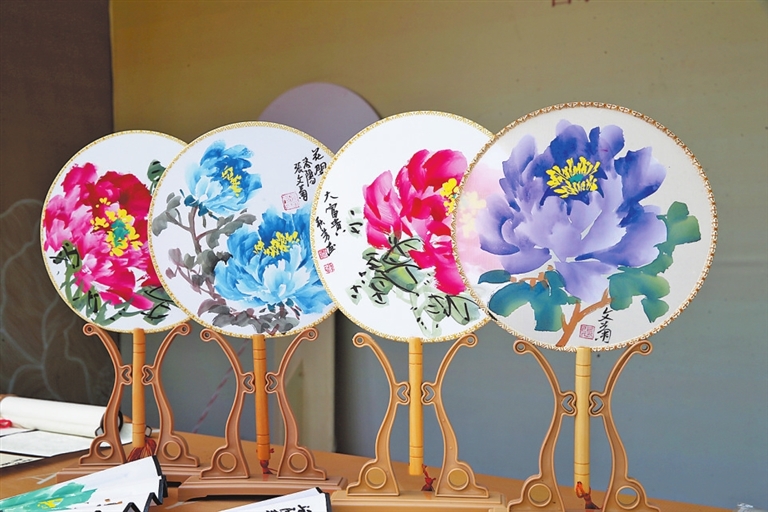
Core Viewpoint - Fengtai District is leveraging the floral industry as a vehicle for cultural enrichment, technological innovation, and seasonal consumer engagement, aiming to enhance the quality of life and drive regional development through the integration of flowers into various aspects of community and urban transformation [1][12]. Group 1: Consumer Engagement and Cultural Activities - Fengtai District has introduced a "Floral New Year" market at the district's administrative service center, allowing citizens to purchase auspicious flowers and cultural products while handling administrative tasks, thereby creating a warm atmosphere and promoting local goods [2][4]. - The district is actively creating diverse floral consumption scenarios, such as the "Lotus Pool Happiness" flower exhibition, which integrates flower sales into community life and provides a beautiful space for residents to enjoy horticultural culture [4][5]. - A series of floral cultural activities have been organized in collaboration with local streets, associations, and enterprises, enriching community life and fostering neighborly bonds through events like book exchanges for flowers and flower care workshops [5][8]. Group 2: Technological Integration and Industry Development - Fengtai District is promoting the integration of technology and the floral industry, leading to a digital and intelligent transformation, exemplified by a school-based science event that engaged youth in plant health monitoring and pest identification using technology [8][10]. - The district supports the Huaxiang Flower and Tree Group in establishing a comprehensive national data service platform for the floral industry, which includes a price index prediction system that utilizes big data and intelligent algorithms for price forecasting and risk warning, marking a shift from experience-driven to data-driven industry practices [10][12].

花开岭南四海春 | 寻美南粤⑪
Nan Fang Nong Cun Bao· 2026-01-30 02:07
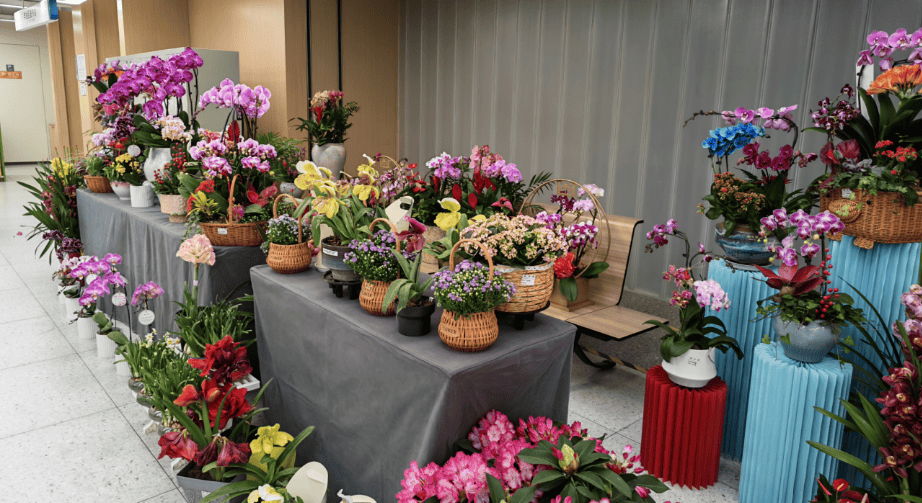
Core Viewpoint - The article highlights the vibrant flower industry in Chen Village, Shunde District, Guangdong, which not only plays a significant role in the local New Year celebrations but also has evolved into a mature industry with international reach and diverse business models [7][48]. Group 1: Industry Overview - Chen Village has a long history of flower cultivation, dating back to the Western Han Dynasty, and is now one of the most important production and sales bases for New Year flowers in China [9][13]. - The village accounts for approximately 80% of the national market share for New Year kumquats and contributes about 10% of the national production of butterfly orchids [13][16]. - Recent initiatives, such as the export of 23,000 butterfly orchids to Southeast Asia, demonstrate the internationalization of the local flower industry [18][21]. Group 2: Market Transformation - The flower market in Chen Village is evolving beyond traditional sales, incorporating experiential spaces where consumers can engage with flowers in various settings, such as gardens and cafes [25][37]. - Events like the annual Chen Village Flower Market have become significant cultural and tourism activities, attracting 1.36 million visitors and generating over 53 million yuan in revenue last year [33][49]. - The transformation reflects a shift in consumer preferences towards experiences and emotional connections with flowers, rather than mere transactions [41][43]. Group 3: Future Prospects - The changes in Chen Village's flower industry signify a broader trend of upgrading, internationalization, and diversification within Guangdong's flower sector [48]. - The industry not only enhances the festive atmosphere of the region but also contributes to a vibrant green economy, showcasing a vision of a beautiful life in the new era [49].

一株蝴蝶兰 如何撬动大湾区“花经济”?
Xin Lang Cai Jing· 2026-01-18 05:02
Core Insights - The butterfly orchid industry in Guangdong is experiencing significant growth, with high demand and production capabilities, showcasing a promising development outlook [1][2] Group 1: Industry Overview - The butterfly orchid, known for its beauty and ease of care, has a high annual output value of several hundred thousand yuan per acre in Guangdong, with over 200 million seedlings and finished flowers sold annually in the national market [1] - Chen Village in Shunde District, a major production base, contributes approximately 10% of the national output, with over 530 acres dedicated to cultivation and an annual production of about 18 million plants across more than 2,400 varieties [2] Group 2: Market Dynamics - Online e-commerce channels are becoming a crucial growth engine for the local butterfly orchid industry, driven by a new wave of agricultural innovation led by younger generations [2] - The integration of the flower industry with various sectors such as culture, tourism, e-commerce, and technology is giving rise to new business models, enhancing the diversity and accessibility of butterfly orchids [3]
菊香四溢背后的产业升级
Xin Hua Wang· 2025-11-03 10:03
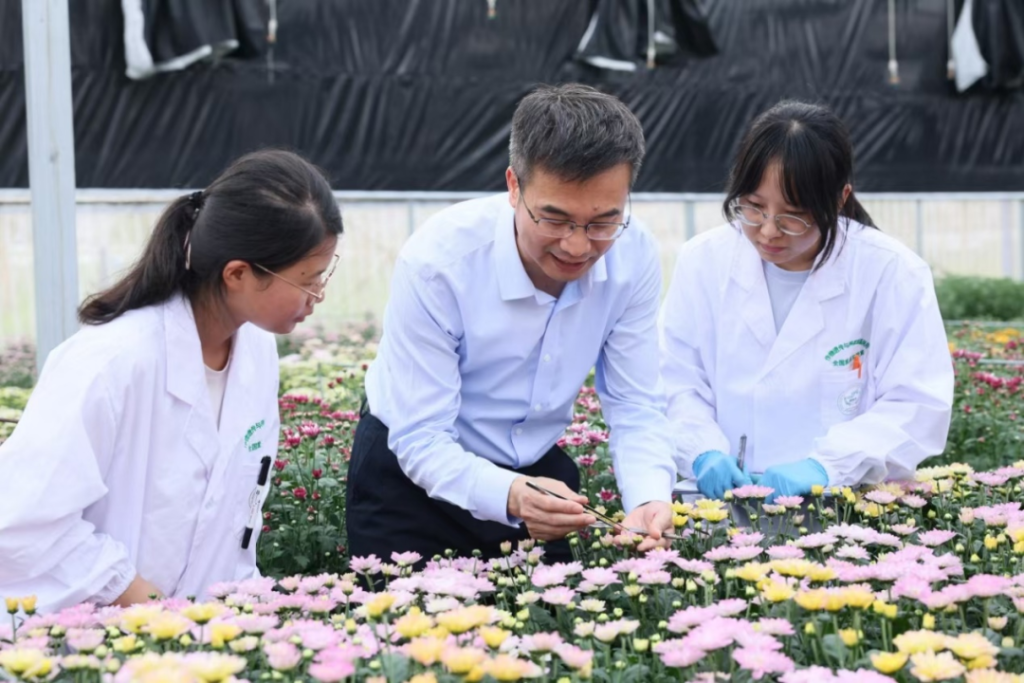
Core Viewpoint - The article highlights the significant advancements in the chrysanthemum industry in China, driven by the efforts of researchers at Nanjing Agricultural University to develop indigenous varieties and enhance the overall industry through innovation and collaboration [1][2][4]. Group 1: Industry Development - The chrysanthemum industry in China has historically faced challenges, with over 95% of commercial varieties relying on imports, leading to a lack of diversity and resilience in the market [1]. - The research team at Nanjing Agricultural University has successfully developed over 400 new varieties of chrysanthemums, including cut flowers and potted plants, providing a strong foundation for the domestic flower market [2]. - By 2025, the team aims for their developed varieties to account for 30% of the cut flower market and 60% of the garden chrysanthemum market in China, effectively breaking the foreign monopoly [2]. Group 2: Research and Innovation - The research team has been systematically collecting and evaluating wild chrysanthemum resources since the 1990s, focusing on breeding resilient and high-quality indigenous varieties [1][4]. - The introduction of domestic varieties, such as 'Nannong Xiaojinxing', has allowed China to transition from being a follower to a competitor in the global chrysanthemum market, with increasing exports to countries like Japan and South Korea [4]. - The collaboration between academia and leading enterprises has led to the establishment of demonstration bases, facilitating the transition from research to market [4][6]. Group 3: Economic Impact - The development of new chrysanthemum varieties has not only enhanced the aesthetic appeal of the industry but has also contributed to the economic well-being of enterprises and flower farmers [6]. - The focus on the entire industry chain aims to transform the chrysanthemum sector into a "happy industry" that benefits the community [6].
繁花经济 要颜值更要产值
He Nan Ri Bao· 2025-04-30 23:31
Core Viewpoint - The flower industry in Henan province, particularly in cities like Nanyang, Luoyang, and Kaifeng, is experiencing growth but faces challenges in production levels, transaction models, and the need for value-added products [1][4][15]. Group 1: Industry Development - Nanyang is recognized as the largest base for rose seedling cultivation in China, with 155,000 acres of flower fields producing 1.6 billion seedlings annually, employing 150,000 people [2]. - The city has transformed its rose industry by creating a "Rose Big Market" that showcases various rose varieties and offers comprehensive solutions beyond just seedling sales [2][4]. - The market for roses is expanding, with 88 cities in China designating roses as their city flower, leading to a surge in themed parks [4]. Group 2: Challenges and Opportunities - Despite holding 60% of the national market share for rose seedlings, Nanyang faces challenges in product development, brand building, and secondary processing capabilities [4]. - The flower industry in Henan is primarily focused on the first industry (seedling production), with limited development in secondary (processing) and tertiary (services) industries [4][15]. - There is a call for deeper exploration of the multi-functional value of roses, including medicinal, culinary, and industrial applications [4]. Group 3: Innovations and Trends - The flower industry is shifting from traditional sales methods to e-commerce and live streaming, with online sales currently accounting for less than 20% of transactions [10][12]. - Companies are encouraged to adopt digital technologies to enhance the efficiency of flower production and sales, aiming for a transformation from "product sales" to "horticultural lifestyle services" [14]. - The introduction of new technologies and equipment is improving production processes, such as the drying of peony flowers, which has doubled efficiency [7][8]. Group 4: Future Directions - The Henan province aims to increase its flower cultivation area to 1.363 million acres by the end of 2024, with 551,000 people employed in the industry [15]. - There is a focus on enhancing the quality of flower products and developing unique varieties with intellectual property rights [15][16]. - The province plans to establish a comprehensive flower trading platform that integrates trading, warehousing, and tourism, positioning itself as a national and global flower distribution center [13][14].