花卉产业

Search documents
菏泽融媒与正邦集团携手擘画牡丹发展新篇章
Qi Lu Wan Bao· 2026-02-10 01:57
Core Viewpoint - The collaboration between Heze Media Center and Zhengbang Group during the 2025 Peony Festival represents a successful integration of media and industry, enhancing the cultural and economic impact of the event while promoting the transformation and high-quality development of the peony industry [1][6]. Group 1: Innovative Model - The partnership breaks traditional barriers by combining media promotion with corporate operations, creating a "content + operation" dual-driven ecosystem [2]. - Heze Media Center leverages its content planning capabilities and media credibility, while Zhengbang Group utilizes its market insights and resource integration to form a collaborative mechanism [2]. Group 2: Comprehensive Communication - The promotional efforts for the 2025 Peony Festival achieved unprecedented breadth, depth, and interactivity, significantly increasing the visibility of Heze's peony culture [3]. - The campaign included high-quality original content and leveraged celebrity effects, resulting in topics related to the festival reaching over ten million views and trending on social media [3]. Group 3: Industry Promotion - The festival's promotional activities directly boosted tourism consumption, with a notable increase in visitor numbers and related economic activities [4]. - The collaboration attracted quality merchants, generating over 100,000 yuan in direct commercial revenue, demonstrating the conversion of brand influence into market competitiveness [4]. Group 4: Long-term Impact - The partnership enhanced the brand value of the peony industry, establishing "Heze Peony" as a top regional public brand and laying a foundation for derivative products [4]. - It showcased the potential for cross-industry integration, attracting attention to the peony industry's diverse possibilities and creating conditions for investment and new product development [4]. Group 5: Experience and Outlook - The collaboration serves as a model for regional specialty industry development, illustrating the role of media as an active participant in cultural and industrial advancement [6]. - Future recommendations include deepening brand construction, enhancing product value, and exploring new economic forms through digital technology [6].
繁花怒放
Jing Ji Ri Bao· 2026-02-06 07:25
Core Insights - The Chinese flower industry is projected to reach a market size of 100 billion yuan by the end of 2025, with a stable planting area of 1.3899 million hectares and over 5.34 million direct employees, solidifying China's position as the world's largest flower producer [1] - The industry is evolving into a "beautiful economy," integrating economic value and cultural significance, as highlighted by President Xi Jinping's emphasis on developing the entire industry chain [1][2] Industry Foundation - The Chinese flower industry has developed a robust foundation over 40 years, rooted in complete industrial resources from seed quality to modern facilities, which serves as a stabilizing force against market fluctuations [2] - The core competitiveness lies in the seed industry, with over 3,700 flower germplasm resources preserved in Gansu province, indicating a rich genetic heritage [2] Innovation and Technology - A breakthrough moment is emerging with the introduction of over a thousand new flower varieties featuring "Chinese style" at the upcoming 2025 Rose Innovation Conference in Yunnan [3] - Advanced breeding techniques, including gene editing, are significantly reducing breeding cycles from 8-10 years to a much shorter timeframe, aiming to establish unique advantages in certain areas [3] Regional Development - Yunnan province is recognized as a "kingdom of fresh-cut flowers," with a projected planting area of 200,000 acres and an output of 22.1 billion stems by 2025, contributing over 100 billion yuan to the industry [4] - The industry has formed seven major production clusters across China, including regions in Yunnan, Guangdong, Shandong, and Gansu, each specializing in different types of flowers [4] Market Dynamics - The national production layout ensures stable supply, with different regions specializing in various flower types, thus enhancing China's competitive edge in the global market [5] - The modernization of production facilities, such as smart greenhouses, is improving efficiency and profitability, with some companies reporting a 50% increase in per-acre returns compared to traditional methods [5] Consumer Trends - The flower market is witnessing a shift from seasonal gifts to everyday items, with consumers increasingly viewing flowers as a means of self-expression [10] - The rise of "self-purchase" consumption patterns is expanding the market, with subscription models like "one flower a week" becoming popular [24] Policy Support - The Chinese government has issued strategic guidelines to promote high-quality development in the flower industry, aiming for sales to reach 300 billion yuan by 2025 and over 700 billion yuan by 2035 [11][12] - Local governments are implementing targeted support policies, including financial subsidies for new variety research and facility upgrades [13][14] Challenges - The industry faces structural challenges, including an oversupply of low-end products and a shortage of high-end offerings, leading to price volatility and market instability [19][20] - There is a significant reliance on imported flower varieties, with 65.06% of flower bulbs imported, indicating a need for domestic innovation in the seed industry [17][18] Future Trends - The flower industry is transitioning from a "beautiful industry" to a "happy industry," integrating deeper into national development narratives and enhancing quality of life [22][29] - The focus on green development and sustainable practices is becoming a core competitive advantage, with initiatives aimed at reducing plastic waste and promoting eco-friendly production methods [23]
焦点访谈|“十五五”开局之年 “一号文件”为“三农”工作划重点
Yang Shi Wang· 2026-02-03 13:33
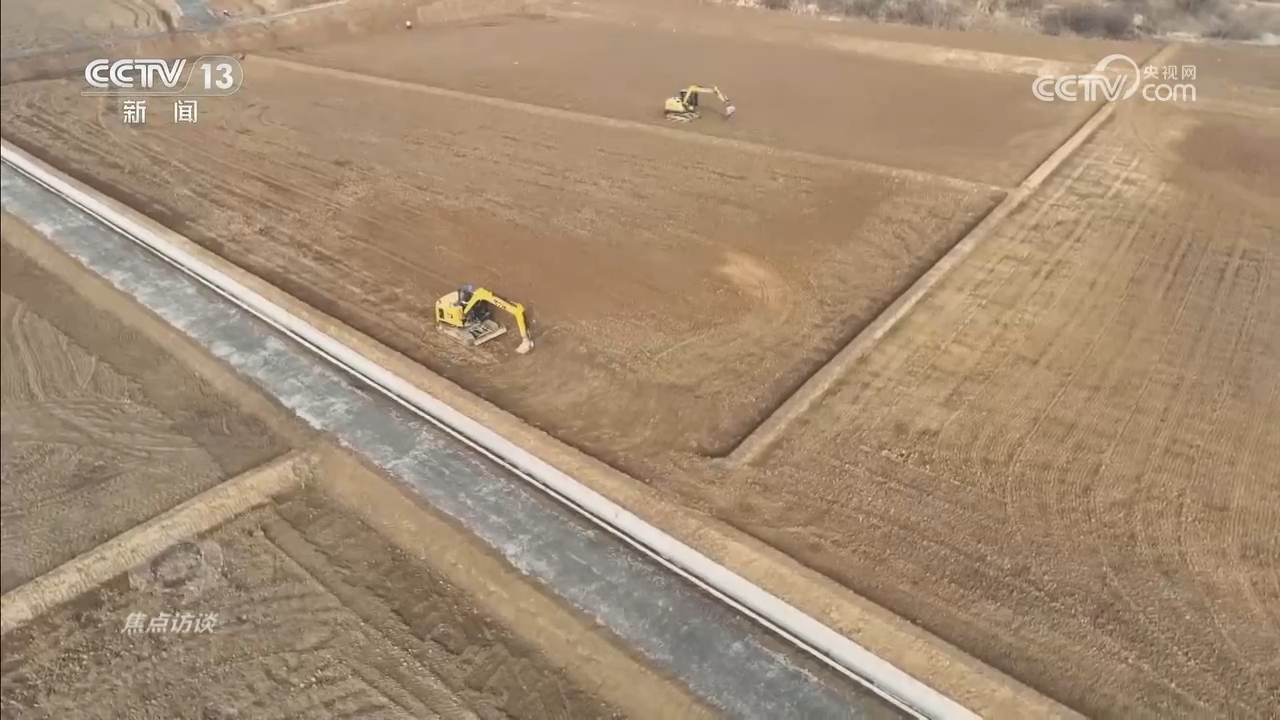
Core Viewpoint - The central document released by the Chinese government outlines a comprehensive plan for agricultural and rural modernization, emphasizing the importance of "three rural issues" (agriculture, rural areas, and farmers) as foundational to China's modernization efforts [1][4]. Group 1: Agricultural Modernization Goals - The document aims to enhance food security by implementing a new round of actions to increase grain production capacity, focusing on both quality and variety improvements [6][10]. - It emphasizes the need for high-quality agricultural development to ensure food security for a population of 1.4 billion, highlighting the importance of ecological considerations alongside production [6][10]. Group 2: Technological Advancements - The integration of artificial intelligence and digital technologies in agriculture is crucial for improving efficiency and productivity, although challenges remain in the practical application of these technologies [10][12]. - The document calls for the cultivation of leading agricultural technology enterprises and the acceleration of key technology breakthroughs to enhance the conversion and application of research results [10][12]. Group 3: Rural Revitalization and Poverty Alleviation - The document outlines a systematic approach to maintaining and expanding the achievements of poverty alleviation, transitioning from a focus on crisis intervention to a more normalized support system [12][17]. - It emphasizes the importance of tailored support for different regions, enhancing the internal development dynamics of impoverished populations and areas through industry-focused assistance [12][17]. Group 4: Infrastructure and Community Development - The document highlights the need for infrastructure improvements and the establishment of modern living conditions in rural areas, promoting a comprehensive upgrade of rural economies, politics, culture, society, and ecological civilization [14][17]. - It advocates for a categorized and orderly approach to rural revitalization, focusing on the integration of neighboring villages for coordinated planning and resource allocation [14][17]. Group 5: Urban-Rural Integration - The document stresses the importance of urban-rural integration as a fundamental path for achieving agricultural modernization and rural revitalization, encouraging not only the return of rural residents but also the influx of urban populations into rural areas for entrepreneurial activities [17].

岭南园林变身“公园花市”
Xin Lang Cai Jing· 2026-02-02 00:28
Core Viewpoint - The "Guangdong-Hong Kong-Macao Greater Bay Area Orchid Boutique Exhibition and Sales Fair" has officially opened in Guangzhou, showcasing a significant collaboration in the floral industry and promoting local orchid production and sales [1] Group 1: Event Overview - The event is part of the "Guangdong Goods Going Global" spring initiative, themed "Flower Market in the Park" [1] - It features a pioneering "9+2+2+5" collaborative model, involving 9 cities from the Greater Bay Area, 2 special administrative regions (Hong Kong and Macau), 2 major orchid-producing regions (Wengyuan and Liancheng), and 5 top research institutions [1] - This exhibition is the largest and most collaborative floral event since the establishment of the orchid garden [1] Group 2: Participation and Offerings - Over a thousand varieties of orchids are showcased, marking the highest number in the event's history [1] - The event includes sub-venues like the Guangzhou Children's Park, expanding the experience of flower viewing and purchasing throughout the city [1] Group 3: Economic and Collaborative Impact - The exhibition establishes an efficient "production-sales bridge," facilitating the direct transfer of high-quality orchids from production areas to consumers in Guangzhou [1] - Agreements were signed between orchid associations from Wengyuan and Liancheng and the management center of the People's Park in Guangzhou to create stable direct sales channels [1] - The "Guangdong-Hong Kong-Macao Greater Bay Area Orchid Industry Collaborative Development Initiative" was jointly announced and signed by representatives from orchid associations across 11 cities, promoting resource sharing and complementary advantages in the orchid industry [1]
国产花卉怎样“出新”又“出彩”?数智驱动让年宵花走出新“花路”
Xin Lang Cai Jing· 2026-02-01 06:55
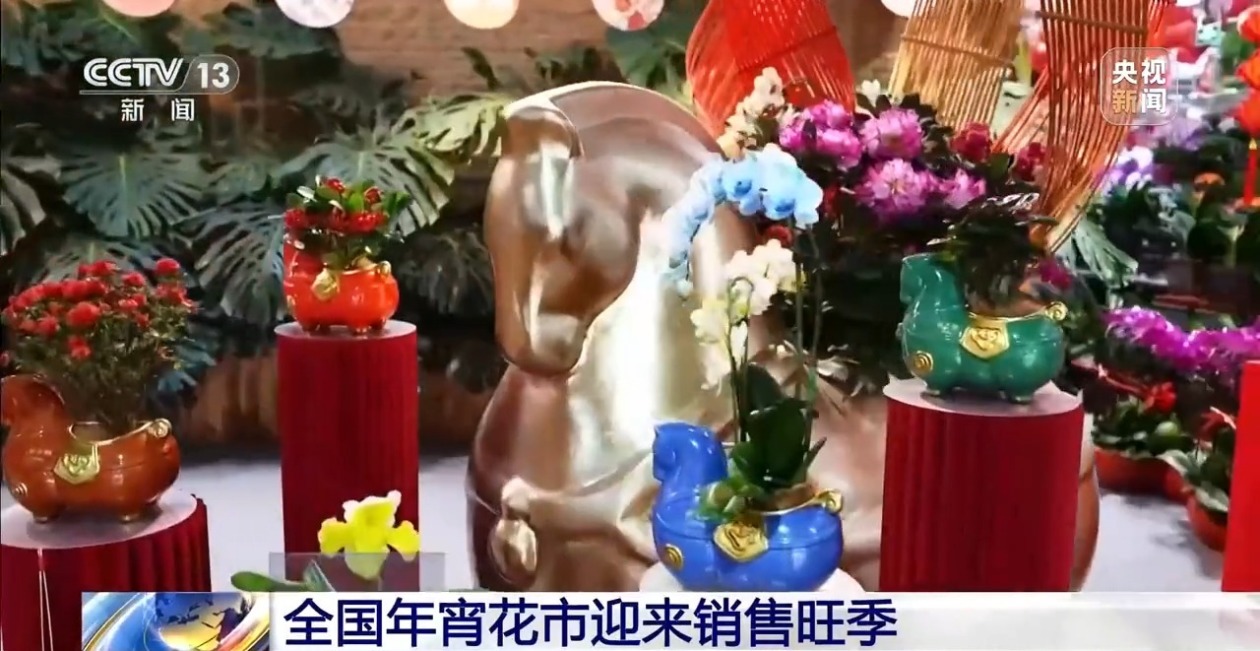
Group 1 - The core viewpoint of the article highlights the vibrant sales season of the Chinese New Year flower market, showcasing the growth of the "fresh flower economy" which has reached a market scale of over 100 billion yuan [5][9][26] - The Beijing flower market is experiencing a shift in consumer preferences, with traditional large, festive potted plants still popular among families, while smaller, aesthetically pleasing, and affordable "fresh style" potted plants are favored by urban youth and office workers [3][5] - The flower industry in China is thriving, with significant government support for modern agriculture and flower industry development, utilizing advanced agricultural technology for optimal growth conditions [5][9] Group 2 - The article discusses the innovative "flash" marketing strategies in flower fields, attracting visitors to engage in flower picking, enhancing the festive experience [7][9] - A digital transformation is evident in the flower industry, with a data-driven supply chain from cultivation to consumer, allowing for a more efficient and creative approach to flower sales [9][15][13] - E-commerce platforms are facilitating direct transactions between flower farmers and retailers, streamlining the process and expanding market reach [16][15] Group 3 - Customization services in flower arrangements are gaining popularity, allowing consumers to create personalized gifts, which enhances the emotional value of the products [18][20] - The "demand-driven production" model is improving the quality and variety of domestic butterfly orchids, enabling them to secure new orders in international markets [24][26] - Data from the General Administration of Customs indicates that China's flower exports are projected to reach a new high of $57.34 million by 2025, reflecting a 12.4% increase [26][28]
“云花”创业培训特色课程首期试点班在昆收官
Xin Lang Cai Jing· 2026-01-31 22:37
Group 1 - The "Yunhua" entrepreneurial training program has successfully completed its first pilot class in Kunming, aimed at integrating entrepreneurial training with the Yunnan flower industry [1] - The course addresses challenges faced by flower industry entrepreneurs, such as unclear industry trends and lack of resources, by creating a specialized training system that includes practical simulations and comprehensive support [1] - The first class featured 9 national-level trainers and industry experts, selecting 35 participants from 161 applicants, with 7 expressing entrepreneurial intentions and 3 successfully connecting with sales channels [1] Group 2 - The provincial human resources and social security department plans to optimize the course system and promote the "Yunhua" program across the province and nationwide [1] - There is a focus on enhancing the support system for entrepreneurial training, services, incubation, and activities to aid the development and revitalization of highland characteristic agriculture [1]

年经济新热度|年宵花“上新”:花漾年味的“新热潮”
Xin Hua She· 2026-01-22 08:21
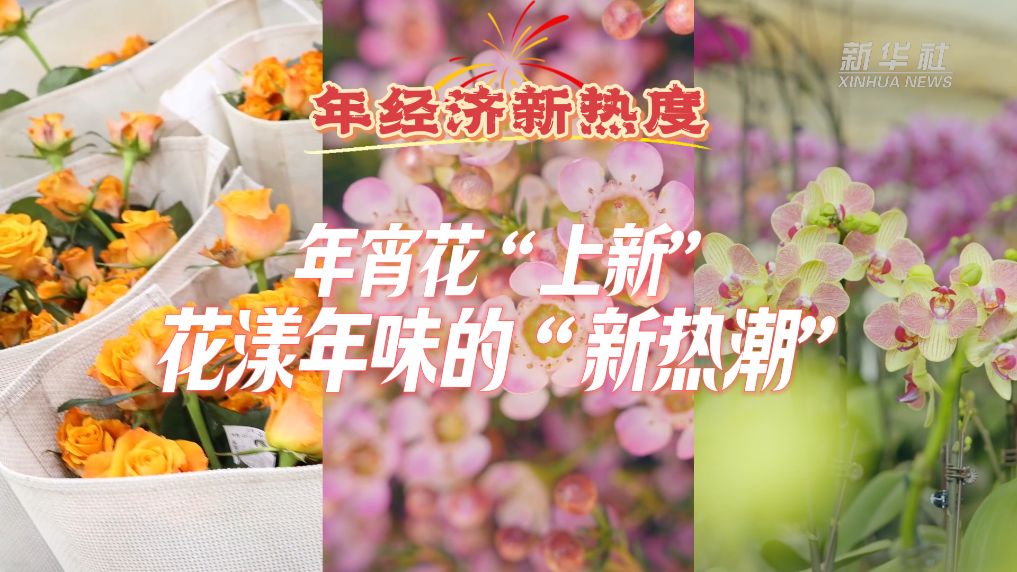
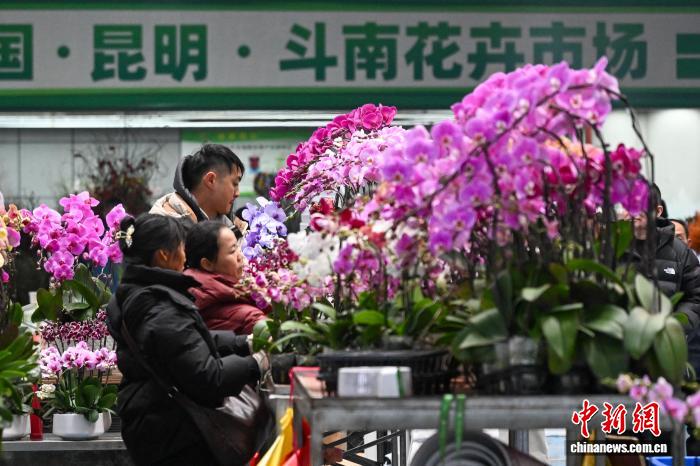
Core Insights - The upcoming Lunar New Year is driving a peak sales period for the domestic flower market, with a focus on new domestic varieties and high-quality production capabilities [2] - The flower industry is experiencing a dual empowerment of consumption and production, creating a new wave of economic growth [2] Industry Overview - In Yunnan Lijiang Modern Flower Industry Park, various fresh-cut flowers are being harvested, with a daily output of approximately 100,000 stems and weekly exports of 100,000 to 150,000 stems to countries like Japan, South Korea, Thailand, and Russia [2] - Many flower companies are increasing inventory in anticipation of market demand to ensure stable supply before the holiday [2] Market Dynamics - The Dounan Flower Market features over 1,600 varieties of fresh-cut flowers, with popular species like butterfly orchids and large-flowered orchids in high demand during the festive season [2] - The rise of "Chinese chip" varieties and explosive online sales are contributing to a thriving flower market, stimulating new economic momentum [2] Economic Impact - According to the China Flower Association, the retail consumption market for flowers is expected to reach nearly 220 billion yuan in 2024, representing a year-on-year growth of approximately 8%, with e-commerce sales accounting for about 120 billion yuan [2] - The flower industry is developing robustly, forming a market scale of over 100 billion yuan, and the "fresh flower economy" is enhancing the well-being of the public [2]
年经济新热度丨年宵花“上新”:花漾年味的“新热潮”
Xin Hua She· 2026-01-21 09:19
Group 1 - The core viewpoint of the article highlights the booming domestic flower market as the Lunar New Year approaches, driven by new domestic flower varieties and quality production capacity, creating a "new trend" of dual empowerment in consumption and industry [2] - The modern flower industry park in Lijiang, Yunnan, produces approximately 100,000 fresh flowers daily, with weekly exports to countries such as Japan, South Korea, Thailand, and Russia reaching 100,000 to 150,000 stems [2] - Many flower enterprises are increasing their inventory in advance to meet market demand, ensuring stable supply before the festival, with over 1,600 varieties of fresh-cut flowers available at the Dou Nan Flower Market [2] Group 2 - The China Flower Association projects that the retail consumption market for flowers will reach nearly 220 billion yuan in 2024, representing a year-on-year growth of about 8%, with e-commerce sales of flowers estimated at around 120 billion yuan [2] - The flower industry in China is thriving, with the "fresh flower economy" forming a market scale of over 100 billion yuan, indicating significant economic growth potential [2] - The complete industrial chain of the flower industry, from seedling cultivation to packaging and distribution, is operating efficiently, contributing to the "beautiful economy" and enhancing the well-being of the public, injecting vitality into the New Year economy [2]
“宝华”月季走红网络 云南花卉“走新”又“走芯”
Zhong Guo Xin Wen Wang· 2026-01-08 06:01
Core Viewpoint - The popularity of the "Baohua" rose variety, named after a netizen's suggestion, reflects the innovative approach of Yunnan's flower industry in naming new varieties through online engagement, showcasing a shift towards modernization and local branding in the sector [1]. Group 1: Industry Development - Yunnan's flower planting area has reached 1.95 million acres, supplying 70% of China's fresh-cut flowers and exporting to over 50 countries, establishing it as "Asia's Flower Capital" [3]. - The flower industry in Yunnan has seen significant growth, with the introduction of 76 new "Chinese-style" rose varieties in 2024 and over 1,000 varieties in 2025, indicating a geometric increase in new product offerings [4]. - The province has become China's largest flower seedling breeding center, with approximately one-third of the world's ornamental flower genetic resources originating from Yunnan [4]. Group 2: Economic Impact - The flower industry directly employs 380,000 people and indirectly supports over 1 million jobs, contributing to local income and wealth generation [6]. - The local government emphasizes the importance of quality seed research and brand development to enhance the flower industry's sustainability and its role in improving the livelihoods of the community [6]. Group 3: Innovation and Research - Yunnan Agricultural Academy has invested in research to address the "bottleneck" of seed sources, leading to a significant increase in self-bred varieties, with the market share rising from less than 5% in 2020 to 15% in 2024 [4]. - By the end of 2024, Yunnan had applied for over 1,100 new varieties and received authorization for over 800, ranking first in China for variety innovation capability [4].
镜头丨以有力监督护航特色产业发展
Zhong Yang Ji Wei Guo Jia Jian Wei Wang Zhan· 2026-01-07 03:50
Group 1 - Various local disciplinary inspection and supervision agencies are focusing on the development of characteristic industries as an important aspect of political supervision, emphasizing key links and areas to ensure healthy development through effective supervision [1] - The Jining City Discipline Inspection Commission in Shandong Province is concentrating on rural revitalization and characteristic industry development, utilizing a "room-group-field" linkage supervision mechanism to monitor the implementation of agricultural policies and subsidy fund distribution [3] - The Yongkang City Discipline Inspection Commission in Zhejiang Province is focusing on the local hardware industry, placing supervision directly in factories and markets to eliminate obstacles in policy implementation and address urgent issues faced by the public [5] Group 2 - The Luliang County Discipline Inspection Commission in Yunnan Province has included the flower industry development in its key supervision tasks, conducting on-site visits to flower industry bases to communicate with farmers and business leaders [7] - The Yuanjiang City Discipline Inspection Commission in Hunan Province is prioritizing the support of characteristic industry development through various methods such as field visits and special inspections to identify and resolve bottlenecks in industry growth [9] - The Liucheng County Discipline Inspection Commission in Guangxi Zhuang Autonomous Region is closely monitoring key aspects of rural revitalization and characteristic industry development, focusing on the sugarcane industry and the implementation of agricultural policies [11][12]