英伟达定律

Search documents
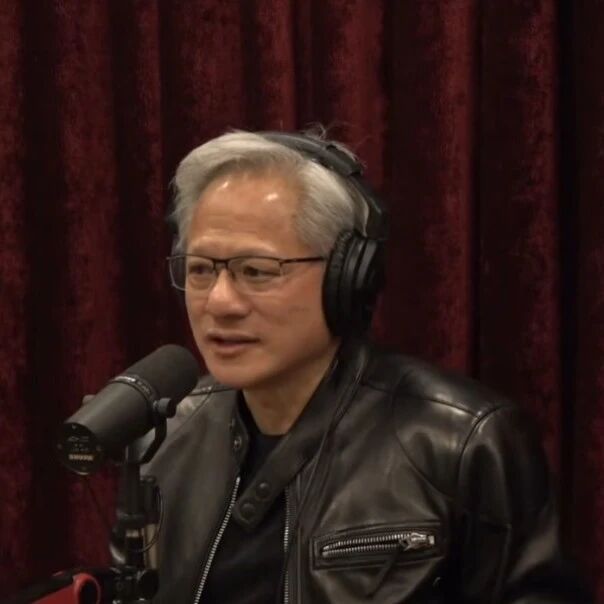
黄仁勋最新采访:依然害怕倒闭,非常焦虑
半导体行业观察· 2025-12-06 03:06
Core Insights - The discussion highlights the transformative impact of artificial intelligence (AI) and the role of NVIDIA in driving this technological revolution, emphasizing the importance of GPUs in various applications from gaming to modern data centers [1] - Huang Renxun discusses the risks and rewards associated with AI, the global AI race, and the significance of energy and manufacturing for future innovations [1] Group 1: AI and Technological Competition - The ongoing technological competition has been a constant since the Industrial Revolution, with the current AI race being one of the most critical [10][11] - Huang Renxun emphasizes that technological leadership is essential for national security and economic prosperity, linking energy growth to industrial growth and job creation [7][8] - The conversation touches on the historical context of technological races, including the Manhattan Project and the Cold War, underscoring the continuous nature of these competitions [11] Group 2: AI Development and Safety - Huang Renxun expresses optimism about the gradual development of AI, suggesting that advancements will be incremental rather than sudden [13] - The discussion addresses concerns about AI's potential risks, including the ethical implications of military applications and the need for robust cybersecurity measures [16][20] - Huang Renxun believes that AI's capabilities will increasingly focus on safety and reliability, reducing the occurrence of errors or "hallucinations" in AI outputs [14] Group 3: Future of Work and AI's Impact - The conversation explores the potential for AI to create a future where traditional jobs may become obsolete, leading to a society where individuals receive universal basic income [37] - Huang Renxun acknowledges the challenges of identity and purpose as AI takes over tasks traditionally performed by humans, emphasizing the need for society to adapt to these changes [38] - The discussion highlights the importance of maintaining human engagement and problem-solving in a future dominated by AI technologies [38] Group 4: Quantum Computing and Security - Huang Renxun discusses the implications of quantum computing on encryption and cybersecurity, suggesting that while current encryption methods may become outdated, the industry is actively developing post-quantum encryption technologies [22][23] - The conversation emphasizes the collaborative nature of cybersecurity efforts, where companies share information to enhance collective defenses against threats [20][21] - Huang Renxun asserts that AI will play a crucial role in future cybersecurity measures, leveraging its capabilities to protect against evolving threats [21]


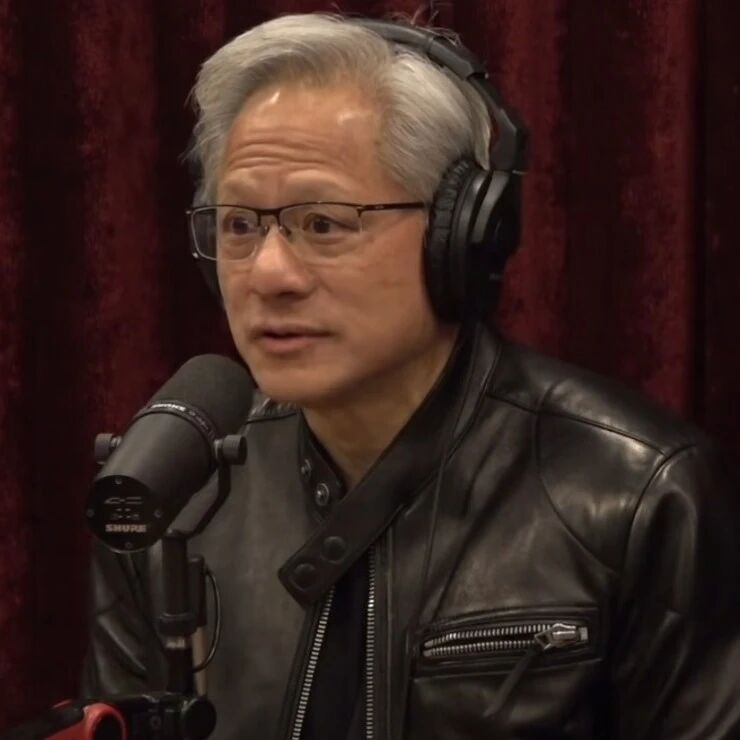
黄仁勋万字访谈:33年来每天都觉得公司要倒闭,AI竞赛无“终点线”,技术迭代才是关键
华尔街见闻· 2025-12-05 09:39
Core Viewpoint - The CEO of Nvidia, despite leading a company at the forefront of the AI revolution, expresses a persistent fear of failure, stating he feels the company is "30 days away from bankruptcy" every day [1][5]. Group 1: AI Competition and Development - Huang Renxun argues that the AI race does not have a clear endpoint and that technological progress will be gradual, with all participants evolving together rather than one achieving overwhelming dominance [2]. - He emphasizes that true competitiveness lies in the ability to iterate continuously rather than achieving one-time breakthroughs, highlighting that AI computing power has increased by 100,000 times over the past decade, focusing on cautious reasoning rather than risky actions [2]. - The past experiences of Nvidia, including near-bankruptcy moments, have shaped a unique understanding of risk and strategy, fostering a startup-like urgency within the company [3]. Group 2: AI's Impact on Jobs - Huang Renxun presents a critical insight regarding AI's potential to replace jobs, stressing the importance of distinguishing between "tasks" and "purposes." For instance, the number of radiologists has increased despite AI's advancements in radiology, as the role of a radiologist is to diagnose diseases, not merely to analyze images [4]. - He asserts that jobs focused solely on tasks may be at risk of replacement, while those that serve a higher purpose will evolve [5]. Group 3: Continuous Crisis and Energy Growth - Huang Renxun maintains a sense of urgency, stating that his fear of failure drives him more than the desire for success, which he believes fuels continuous improvement and hard work [5]. - He emphasizes the importance of energy policies in fostering economic growth, asserting that without such policies, advancements in AI and chip manufacturing would not be possible [5][21]. Group 4: AI Safety and Future Outlook - Huang Renxun believes that while AI can mimic human intelligence, it will not develop consciousness, arguing that the notion of AI suddenly achieving overwhelming capabilities is far-fetched [26][79]. - He expresses optimism about the future of AI, suggesting that advancements will lead to safer and more reliable systems, with AI becoming an integral part of everyday tasks [30][31].