营收停滞

Search documents
乡村基董事长公开检讨!食材问题与价格乱象谁来买单?
Sou Hu Cai Jing· 2025-06-16 09:11
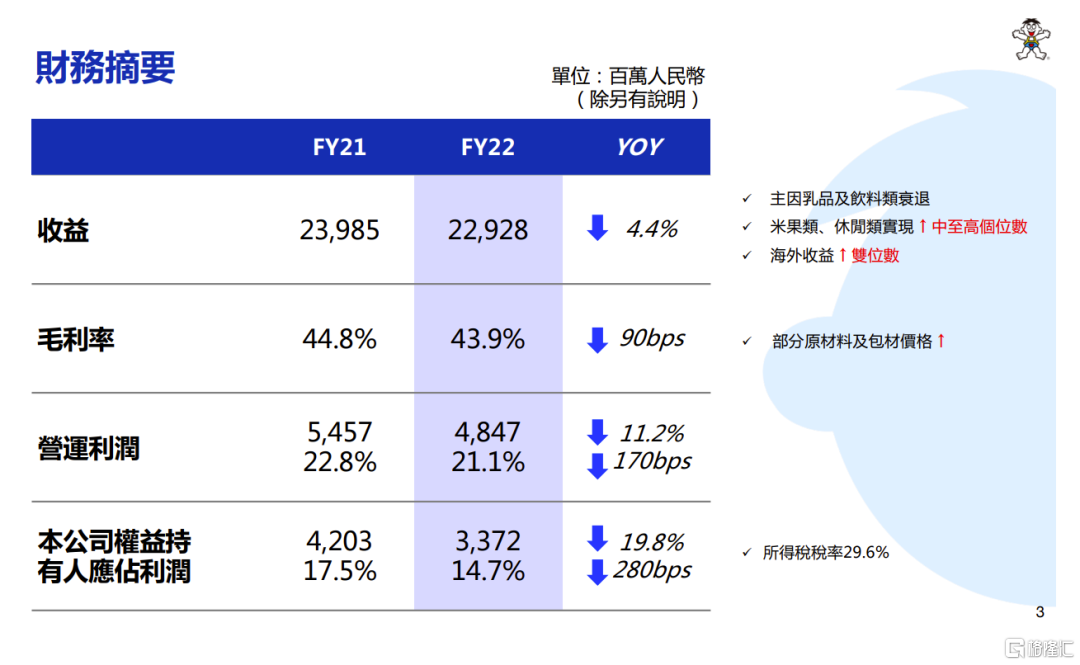
Core Insights - The chairman of Xiangcunji Group, Li Hong, issued a public apology video addressing consumer concerns, which garnered significant attention in the restaurant industry [2][3] - The company has faced criticism regarding food quality and pricing, leading to a decline in brand reputation and customer trust [5][6] Financial Performance - Xiangcunji's revenue from 2019 to 2022 showed stagnation, with figures of 3.257 billion, 3.161 billion, 4.618 billion, and 4.706 billion yuan respectively, with a notable increase in 2021 due to expansion and delivery growth [4] - The net profit fluctuated, with 827 million yuan in 2019, a loss of 2.42 million yuan in 2020, a recovery to 109 million yuan in 2021, and a significant drop to 30.84 million yuan in 2022, indicating severe cost control challenges [4] Regional Dependency - 94.7% of Xiangcunji's brand revenue comes from Chongqing and Sichuan, while 84.7% of the Dami Xiansheng brand revenue is concentrated in Hubei, Shanghai, Hunan, and Sichuan, making the company vulnerable to regional disruptions [4] Consumer Concerns - The company has faced multiple food safety issues, including foreign objects found in meals and questionable ingredient quality, which have severely impacted its brand image [5] - Pricing strategies have also drawn criticism, with inconsistencies in pricing across locations and a shift from set meal pricing to weight-based pricing, leading to perceptions of reduced value [5] Response to Challenges - Li Hong's public response emphasized a commitment to quality by closing central kitchens and maintaining a made-to-order model, despite the potential for increased costs [6] - The company plans to enhance food sourcing and kitchen hygiene management to address food safety issues and aims to balance pricing with consumer expectations to regain trust [6][7] Future Outlook - For Xiangcunji to overcome its current challenges and restore its former success, it must implement effective improvement measures and actively respond to consumer concerns to rebuild brand trust [7]

旺旺最新财报:营收净利收缩,“老龄化”危机何解?
Ge Long Hui· 2025-06-02 01:52
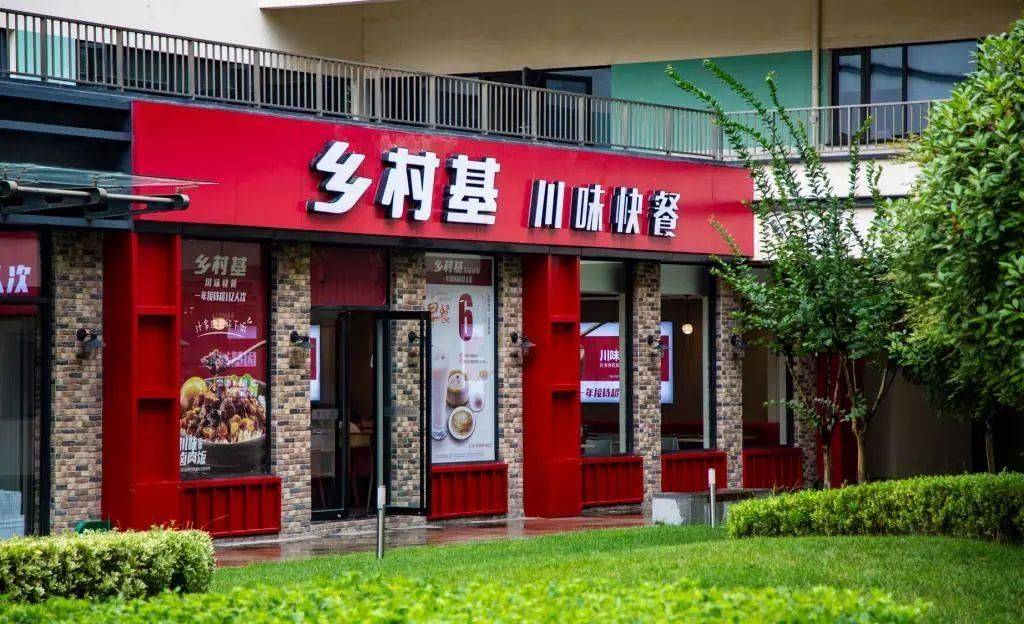
Core Viewpoint - China Wangwang Holdings Limited is facing significant challenges as it reports a decline in revenue and profit, indicating a potential risk of becoming obsolete if it fails to adapt to changing market dynamics and consumer preferences [1][3]. Financial Summary - For the fiscal year 2022, Wangwang achieved revenue of 22.93 billion RMB, a decrease of 4.41% compared to the previous year [2]. - The gross profit margin fell from 44.8% to 43.9%, attributed to rising costs of raw materials and packaging [2][9]. - The net profit attributable to shareholders was 3.37 billion RMB, down 19.77% from 4.2 billion RMB in the previous year [2][3]. Revenue and Profit Trends - Wangwang's revenue has stagnated for nearly a decade, with a notable decline in net profit for the first time in five years [3][4]. - The dairy and beverage segment, which is the largest revenue contributor, saw a 13.5% drop in revenue, while other segments like rice snacks and leisure foods experienced growth [4][6]. Product Performance - The flagship product, Wangzai Milk, has faced significant sales challenges, losing appeal among younger consumers and experiencing a double-digit revenue decline [7][31]. - Despite some product lines showing growth, the overall performance has been insufficient to offset the losses from the dairy segment [6][9]. Market Position and Challenges - Wangwang's reliance on traditional offline sales channels has hindered its ability to compete with emerging brands that leverage e-commerce [11][26]. - The company has struggled to innovate and adapt its product offerings, leading to a perception of stagnation and declining brand relevance [25][34]. Historical Context - Wangwang enjoyed a period of significant growth for two decades but has not introduced new blockbuster products in recent years, relying instead on legacy products [21][23]. - The company has seen its market capitalization shrink significantly since its peak, reflecting the disconnect between its financial performance and stock market valuation [13][16].