
行为克隆

Search documents
Physical Intelligence内部员工分享(从数采到VLA再到RL)
自动驾驶之心· 2025-12-25 09:33
Core Insights - The article discusses the current state of robot learning as of December 2025, emphasizing that most systems rely on behavior cloning (BC) and the challenges associated with it [8][41]. - It highlights the importance of human demonstrations in training robot learning systems and the need for innovative solutions to improve robustness and efficiency [74]. Group 1: Behavior Cloning and Its Challenges - Behavior cloning systems require high-quality data from human demonstrations, which are often slow to collect and expensive to scale [12][22]. - The primary issues with behavior cloning include the inability to generalize beyond the training data, leading to performance degradation in out-of-distribution (OOD) states [20][26]. - The article outlines the necessity of developing models that can recover from failure states and adapt to new situations, suggesting a DAgger-style approach to training [30][36]. Group 2: Future Directions in Robot Learning - The article predicts that human demonstrations will remain crucial for the foreseeable future, with a call for the development of integrated hardware and software systems to streamline the training process [74]. - It anticipates that within two years, video model backbones will replace current VLA systems, and within ten years, world models will effectively simulate general open-world interaction strategies [75]. - The need for real robot rollouts is emphasized as essential for achieving superhuman performance, indicating that traditional simulation methods may not suffice [75]. Group 3: Industry Implications - The article suggests that companies focusing on creating effective human demonstration systems will become attractive partners or acquisition targets in the robotics industry [74]. - It warns that data labeling and pre-training data sales are highly commoditized and require operational excellence to succeed [75]. - The importance of internal evaluation processes is highlighted, as they are critical for model improvement and cannot be outsourced [75].


机器人学习现状!PI团队内部员工分享(从数采到VLA再到RL)
具身智能之心· 2025-12-23 00:03
Core Insights - The article discusses the current state of robot learning as of December 2025, emphasizing that most systems rely on behavior cloning (BC) and the challenges associated with it [5][40][39] - It highlights the importance of human demonstrations in training robot learning systems and the need for innovative approaches to improve performance and robustness [72][73] Group 1: Behavior Cloning and Its Challenges - As of December 2025, all robot learning systems primarily utilize behavior cloning, where human demonstrations are used to train models to mimic actions [5][6] - The challenges of behavior cloning include the inability to generalize beyond the training data, leading to performance issues in real-world applications [16][21][23] - The article outlines the difficulties in collecting high-quality demonstration data and the need for diverse and representative datasets to improve model training [7][12][19] Group 2: Future Directions and Innovations - The article predicts that within two years, video models will replace current visual-language architectures in robot learning [72] - It suggests that world models will effectively simulate general open-world interactions within ten years, enhancing the capabilities of robot learning systems [72] - The need for a robust human demonstration system that can effectively address the challenges of data collection and model training is emphasized as a key area for future development [73][76]
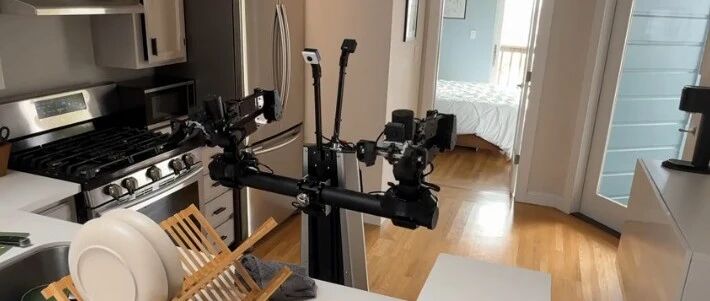
机器人学习现状!Physical Intelligence内部员工分享(从数采到VLA再到RL)
具身智能之心· 2025-12-20 16:03
Core Insights - The article discusses the current state of robot learning as of December 2025, emphasizing that most systems rely on behavior cloning (BC) and the challenges associated with it [5][40][39] - It highlights the importance of data collection from human demonstrations and the limitations of existing methods in achieving robust performance in real-world applications [6][10][12] Group 1: Behavior Cloning and Its Challenges - As of December 2025, all robot learning systems primarily utilize behavior cloning, where human demonstrations are used to train models to mimic actions [5] - The data for behavior cloning comes from human demonstrations and various other sources, but the need for extensive data collection poses significant challenges [7][10] - The limitations of behavior cloning include the inability to generalize well to out-of-distribution (OOD) states, leading to performance degradation in real-world scenarios [16][23][40] Group 2: Data Collection Methods - Data collection methods include using human operators with smart demo gloves and video platforms to gather diverse task execution data [11][13] - The challenges in data collection include ensuring the data is representative of the tasks and the need for extensive training for operators to provide usable data [9][10] - The article emphasizes the importance of high-quality data for training models and the difficulties in achieving this at scale [10][19] Group 3: Future Directions in Robot Learning - The article predicts that within two years, video model backbones will replace current VLA methods, and within ten years, world models will effectively simulate general open-world interactions [73] - It suggests that traditional simulation and game engines will serve as data generators for world models, emphasizing the continued importance of expert demonstration data [73] - The need for robust Q/V functions that can operate effectively in OOD states is highlighted as a critical area for future research [72]
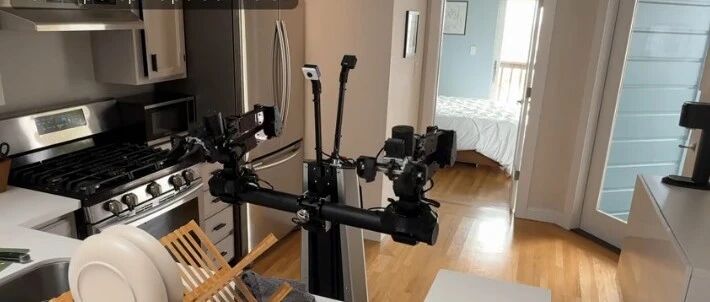
机器人跳群舞,有啥“基本功”
Ren Min Ri Bao· 2025-08-18 22:31
Group 1 - The performance of humanoid robots at the 2025 World Humanoid Robot Games showcased advanced capabilities in dance synchronization and movement control, leading to a championship win for the Beijing Dance Academy and Hubei Guanggu Dongzhi Intelligent Technology Co., Ltd. [1] - Robots utilized advanced sensors, including inertial and force sensors, to detect their posture and surroundings, enabling real-time adjustments to maintain balance and formation during complex dance routines [1] - The competition featured diverse robotic teams, including the runner-up team from Shenzhen, which employed unique movement styles through adaptive tracking and behavior cloning technologies, allowing robots to modify their dance based on individual characteristics and environmental changes [2] Group 2 - Haiyiou Intelligent Technology (Changzhou) Co., Ltd. participated with robots of varying sizes and capabilities, emphasizing cross-brand and cross-model coordination through a proprietary control system, which demonstrated the potential for scalable and efficient robotic applications [3] - The competition highlighted the integration of traditional cultural elements with modern technology, as seen in the performance "Qin Terracotta Soul," which combined classical dance with robotic precision [2] - The advancements in robotic dance performance indicate a significant leap in the field of humanoid robotics, showcasing the potential for enhanced collaboration and application in various sectors [3]
