货币制度

Search documents
文化中国行|中国钱币“铺展”鲜活历史长卷 解锁中华千年文明密码
Yang Shi Wang· 2026-01-29 03:11
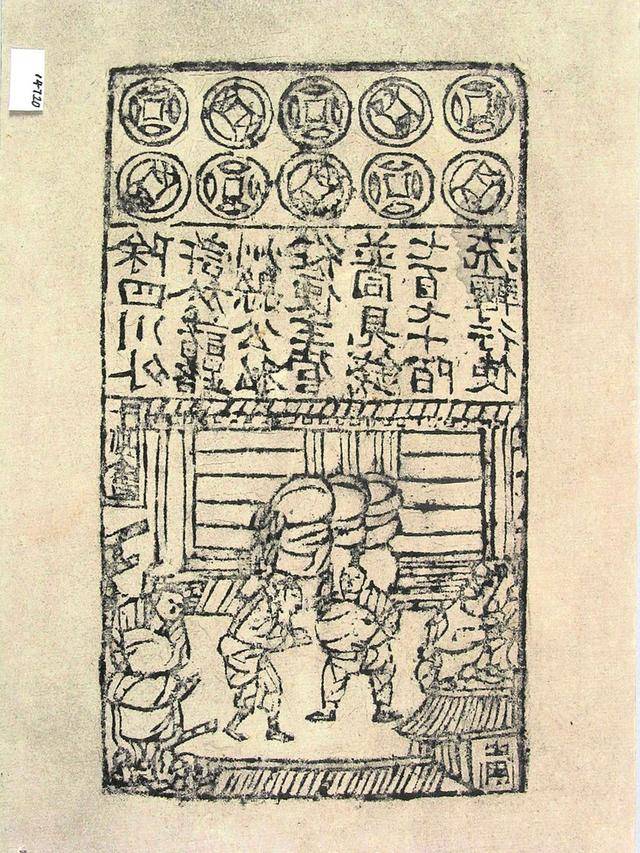
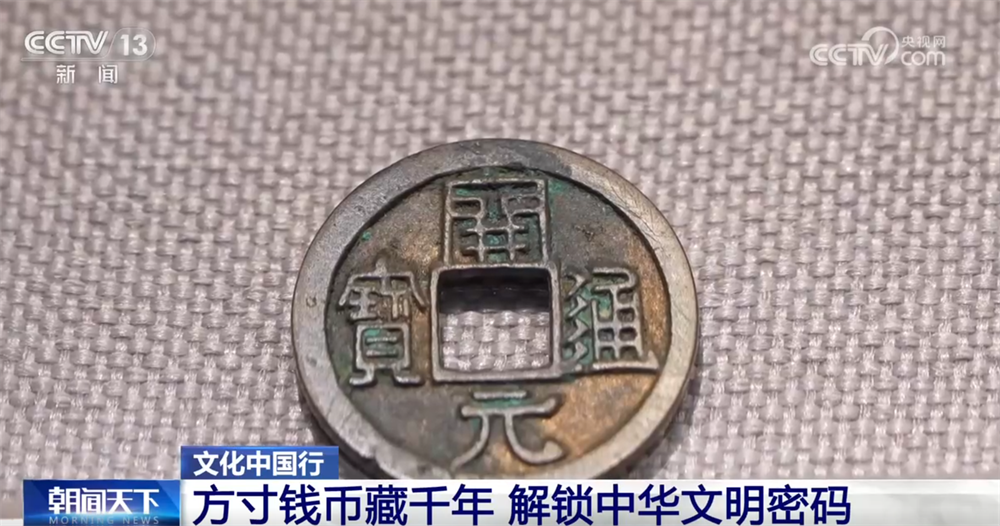
Core Viewpoint - The evolution of Chinese currency reflects the rich history and cultural heritage of China, showcasing its transformation from ancient forms like shell money to modern digital currency, highlighting the continuous innovation and adaptation of the financial system [1][18]. Group 1: Historical Significance of Currency - The exhibition at the China Currency Museum features over 2,900 pieces of historical currency, allowing visitors to explore the evolution of Chinese society, politics, economy, and culture over two millennia through the materials and designs of coins [1]. - Ancient Chinese coins serve not only as economic tools but also as cultural carriers, with characters related to money in Chinese language reflecting their origins from shell money [3]. - The design of coins, such as the round coins with square holes from the Qin Dynasty, embodies ancient philosophical thoughts about nature and society [3]. Group 2: Artistic and Cultural Aspects - Coins also represent a medium for the evolution of Chinese calligraphy, showcasing various scripts from seal to cursive, thus serving as a condensed history of Chinese art [6]. - The "Kaiyuan Tongbao" coin from the Tang Dynasty exemplifies the exchange of cultures, having spread along the Silk Road and influenced coinage in Central Asia, demonstrating the interconnectedness of civilizations [8]. Group 3: Technological Innovations - The ancient Chinese developed significant coin minting technologies, including the coining and sand casting techniques, which are still relevant in modern manufacturing processes [10][12]. - The "Guanjiaozi," issued in 1024 by the Northern Song Dynasty, represents one of the earliest state-backed paper currency systems, predating European banknotes by over 600 years, marking a pivotal moment in financial innovation [14][16]. Group 4: Modern Developments - The transition from traditional currency forms to digital currency reflects China's leadership in mobile payment systems, with an 86% adoption rate, the highest globally [18]. - The upcoming implementation of the digital yuan policy in 2026 signifies a crucial step towards establishing a mature digital currency ecosystem, potentially leading to innovative financial products [20].

一吨黄金,一吨美元和一吨人民币,假如让你三选一,你该如何选择呢?
Sou Hu Cai Jing· 2025-12-09 19:40
Core Insights - The choice between one ton of gold, US dollars, or Chinese yuan reflects a deep consideration of wealth management strategies, risk, return, and lifestyle preferences [1][6]. Group 1: Gold - Current international gold prices range from 400 to 450 RMB per gram, making one ton of gold worth approximately 400 million to 450 million RMB [1]. - Gold is viewed as a safe-haven asset, particularly during geopolitical tensions and economic instability, often appreciating in value [1]. - Gold symbolizes ancient wealth and does not rely on any country's or institution's credit backing, making it a timeless store of value [6][9]. Group 2: US Dollars - One ton of US dollars, equivalent to about 300 million USD, is valued at over 2 billion RMB based on current exchange rates [3]. - The value of the dollar is derived from its strong purchasing power and global acceptance, making it a preferred choice for international trade [3][8]. - However, the dollar's value is not immune to risks, as evidenced by historical currency collapses, and its purchasing power may decline over time due to inflation [5][9]. Group 3: Chinese Yuan - One ton of Chinese yuan, assuming all in 100 RMB notes, is valued at approximately 87 million RMB, which is significantly lower than gold and dollars [4]. - The yuan's strength lies in its practicality for daily transactions within China, making it essential for local living expenses [5][6]. - The choice of yuan is influenced by personal circumstances, such as income and economic activity within China, making it a practical option for those living and working domestically [5][6]. Group 4: Investment Strategies - Diversification among gold, dollars, and yuan is suggested as a prudent investment strategy, balancing risk and potential returns [8][11]. - For international traders, dollars provide liquidity and ease of transactions, while conservative investors may prefer gold for its stability [6][8]. - The yuan is ideal for individuals focused on local consumption and investment, reflecting the importance of aligning asset choices with personal financial goals [6][11].

漫说金牛与交子
Sou Hu Cai Jing· 2025-04-20 09:35
Core Points - The article discusses the historical significance of the "Jinniu" (Golden Bull) as a symbol of finance, particularly in relation to the development of currency in Chengdu, China, where the world's first paper currency, "Jiaozi," originated [2][5][6] Group 1: Historical Context - The first paper currency, "Jiaozi," emerged in Chengdu during the Five Dynasties and Ten Kingdoms period, initiated by Wang Jian, who established the Later Shu regime [2][3] - Wang Jian's governance led to economic stability and cultural development in Chengdu, making it a prosperous city during a time of widespread conflict [2][3] Group 2: Development of Jiaozi - The initial use of "Jiaozi" began with merchants storing iron coins in shops, which later evolved into the issuance of paper notes backed by these coins [3][4] - In 1024, the Northern Song Dynasty established the "Yizhou Jiaozi Office," marking the official government issuance of paper currency, known as "official Jiaozi," which was backed by state authority [4][5] Group 3: Economic Impact - The introduction of "Jiaozi" alleviated the historical issue of currency shortages in ancient China, facilitating economic growth and trade [6][10] - The currency system evolved to include various denominations, enhancing the efficiency of transactions and contributing to a more robust economic environment during the Song Dynasty [6][9] Group 4: Cultural Influence - The prosperity brought by "Jiaozi" allowed for cultural advancements, influencing notable figures such as Su Shi, who contributed to economic thought and practices during this period [7][8] - The widespread use of "Jiaozi" extended beyond Sichuan, indicating its significant role in trade and economic interactions across regions [9][10]