
贵金属市场调控

Search documents
startrader:贵金属历史性崩盘 芝商所紧急上调期货保证金
Sou Hu Cai Jing· 2026-02-02 02:20
Core Viewpoint - The international precious metals market has experienced a historic crash, with London spot gold plummeting nearly $450 within 30 minutes after reaching a record high of $5,591 per ounce, marking a daily decline of 5.7% [1]. Group 1: Market Reaction - London silver also saw a significant drop of 9.2%, the largest single-day decline since 2020 [1]. - The domestic market mirrored this trend, with the A-share precious metals sector falling by 8.89%, resulting in over 20 stocks hitting the daily limit down [1]. Group 2: Regulatory Response - The Chicago Mercantile Exchange (CME) responded by significantly raising the margin requirements for precious metal futures to curb excessive speculation and mitigate market risks [1][3]. - For non-high-risk accounts, gold futures margin increased from 6% to 8%, and silver futures margin rose from 11% to 15% [3]. - High-risk accounts faced even larger increases, with gold margins rising from 6.6% to 8.8% and silver from 12.1% to 16.5% [3]. Group 3: Causes of the Crash - The crash was attributed to multiple negative factors, primarily the reversal of Federal Reserve policy expectations, which maintained the benchmark interest rate and signaled a prolonged period of high rates, undermining the financial appeal of precious metals [3]. - The precious metals sector had seen a substantial increase of 62% in A-share prices within the first month of the year, leading to overvaluation and profit-taking, exacerbated by high leverage in the market [3]. Group 4: Market Sentiment - Market reactions have been polarized, with optimistic views suggesting that the crash is a temporary profit-taking and policy adjustment effect, not altering the long-term bullish outlook for precious metals [4][5]. - Cautious perspectives warn that short-term downward pressure remains, with ongoing deleveraging in the precious metals market and potential further margin increases from CME that could trigger more forced liquidations [5]. Group 5: Key Variables Influencing Future Trends - Future movements in precious metals will be influenced by the Federal Reserve's upcoming policy announcements, the pace of interest rate cuts, and the ongoing adjustments in margin requirements by CME [5]. - Additionally, the demand for gold from global central banks, geopolitical risks, and the realization of industrial demand for silver will reshape market dynamics [5]. - The interconnectedness of domestic and international markets will also play a crucial role in determining the trajectory of precious metal prices [5].

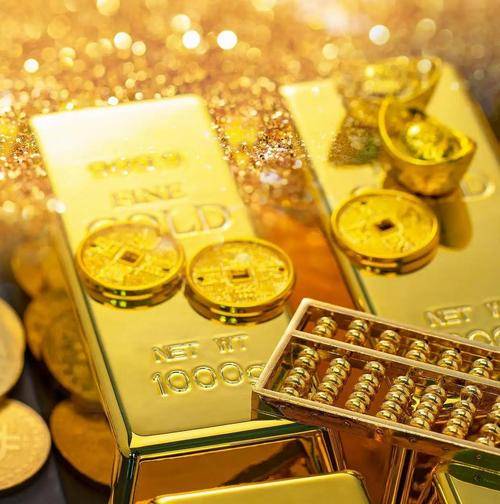
芝商所上调保证金引发贵金属“雪崩”,现货白银暴跌近9%
Huan Qiu Lao Hu Cai Jing· 2025-12-30 05:16
Group 1 - The core point of the articles highlights a significant decline in international precious metal prices, with COMEX gold futures dropping by 4.45% to around $4300 per ounce, and COMEX silver futures falling by 7.2% to $71.64 per ounce, alongside substantial declines in spot silver, palladium, and platinum prices [1][2] - The recent downturn in precious metals is attributed to the Chicago Mercantile Exchange's announcement of margin adjustments aimed at addressing market volatility, with gold futures margin increased by 10%, silver by approximately 13.6%, and platinum by about 23% [1] - Historical precedents indicate that margin increases have previously been used to cool down the market, with a notable instance in 2011 when silver prices fell nearly 30% following multiple margin hikes [1] Group 2 - The margin adjustments by the CME are a response to the irrational surge in precious metal prices, which have risen significantly due to factors such as Federal Reserve interest rate cuts, a weakening dollar, and increased gold purchases by central banks [2] - In the past month, silver and platinum have seen price increases exceeding 40%, with silver's year-to-date increase reaching 140%, surpassing gold's performance [2] - The demand for silver is driven by its dual role as both a safe-haven asset and an industrial metal, particularly due to the rapid growth of the renewable energy sector, leading to a supply-demand imbalance and a decline in global inventories to a ten-year low [2]
工行建行暂停部分如意金积存业务申请
Shen Zhen Shang Bao· 2025-11-04 06:22
Core Viewpoint - The recent announcements by Industrial and Commercial Bank of China (ICBC) and China Construction Bank (CCB) to suspend certain gold accumulation services are responses to macroeconomic policy directions and market volatility, aiming to regulate market order and manage risk exposure [1][2]. Group 1: Bank Actions - ICBC has suspended the acceptance of new accounts, proactive accumulation, new fixed accumulation plans, and applications for physical gold extraction from November 3, while existing customers' fixed accumulation plans remain unaffected [1]. - CCB has also suspended real-time purchases, new investment purchases, and physical gold exchanges for its easy storage gold business, effective from November 3, while existing investment plans and account operations remain intact [1]. Group 2: Market Regulation - The banks' actions are seen as routine measures to align with macroeconomic policies aimed at curbing irrational trading and preventing systemic risks associated with price volatility in the precious metals market [2]. - The recent announcement by the Ministry of Finance and the State Taxation Administration regarding gold tax policies, effective from November 1, 2025, is expected to further influence the market dynamics [2]. Group 3: Consumer Impact - The decision to reduce new fund inflows is intended to guide investors towards more rational participation in precious metal trading, thereby avoiding excessive speculation that could heighten market volatility [3]. - Existing customers' rights regarding active accumulation plans, redemptions, and account closures remain unchanged, indicating that the new policies do not adversely affect current users [3].

