贸易去美元化

Search documents
俄罗斯国库出了问题,中国的下一个万亿大单,让普京政府望眼欲穿
Sou Hu Cai Jing· 2025-10-25 06:35
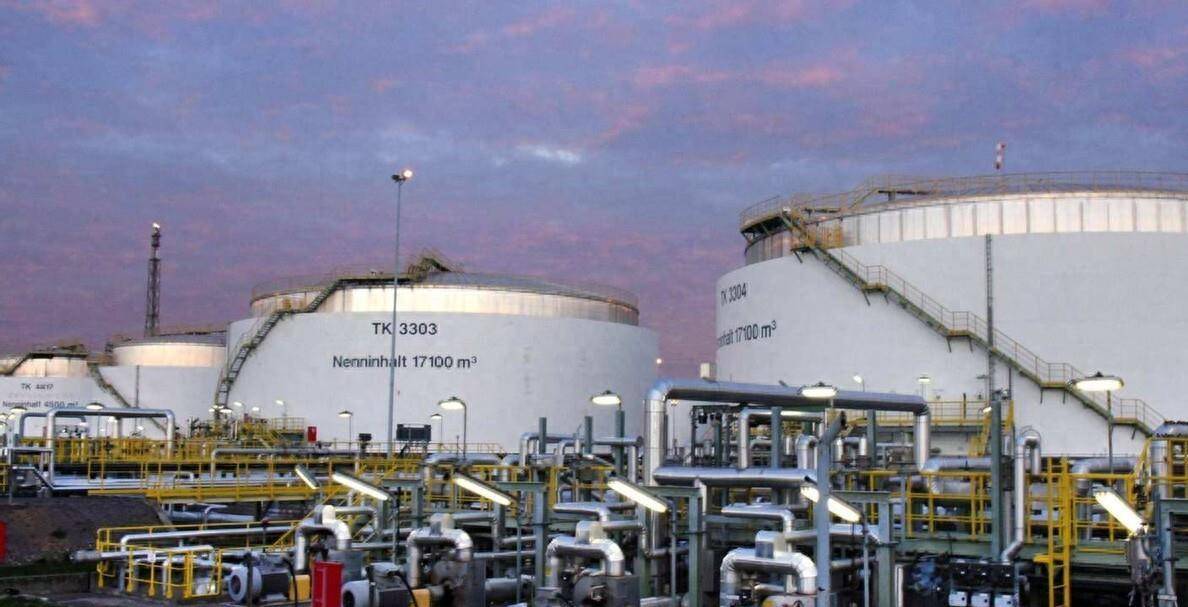
Core Insights - Russia's energy export landscape has significantly changed, particularly with a drastic reduction in its market share in Europe, impacting its fiscal revenue [1] - China is strengthening its cooperation with Russia to ensure stable energy supply, providing Russia with a new market while enhancing China's position in the global energy chain [3] - Gazprom, Russia's largest energy company, reported a net loss of 1.076 trillion rubles in 2024, continuing to face losses in 2025 due to reduced demand in the European market [3] - Russia's reliance on oil and gas is highlighted by the fact that these sectors account for over 27% of GDP and 57% of total foreign trade [5] - The federal budget deficit reached 3.694 trillion rubles in the first half of 2025, with oil and gas revenues declining by 14.4% [5] - China is diversifying its energy imports, with pipeline gas imports from Russia increasing by 27% and expected to reach 38 billion cubic meters in 2025 [5] - The East Route Pipeline project has achieved its maximum gas transmission capacity, with a projected daily capacity of 38 billion cubic meters by 2025 [7] - Infrastructure bottlenecks limit Russia's energy export scale, but new projects like the Far East Pipeline and the China-Mongolia-Russia Pipeline are in development [9] - The total value of the East Route Pipeline agreement is estimated at $400 billion, with a 30-year term, while the China-Mongolia-Russia Pipeline is expected to exceed $500 billion [10] - These agreements are crucial for Russia to stabilize its fiscal situation and provide China with a reliable energy supply [12]

与普京会晤后,美方立马对中方改了口风,莫迪昭告全球:印度不跪
Sou Hu Cai Jing· 2025-08-19 05:13
Economic Impact of Tariffs - The implementation of tariff policies has severely impacted the US economy, with inflation soaring by 2.9% and clothing prices experiencing a 60% surge [3] - Corporate supply chain costs have increased by 13%, leading to production halts in companies like Ford due to rare earth supply disruptions [3] - Trump's approval rating has dropped by 14 percentage points due to tariff-related issues, particularly affecting agricultural states where farmers have suffered significant losses from Chinese tariffs on US beef and soybeans [3] Response from China - China has responded firmly to US tariffs, emphasizing the legitimacy of energy cooperation and rejecting tariff threats [3] - China's control over rare earth materials has become a critical leverage point, directly impacting the US military and electric vehicle industries, with companies like Tesla seeking urgent assistance [3] - Historical precedents indicate that the US has previously had to retract 100% tariffs on China, suggesting a potential for similar outcomes in the current situation [3] India's Economic Challenges - The US has raised tariffs on Indian goods from 25% to 50%, threatening India's $77.5 billion export market and putting 6 million jobs at risk [4] - India's defense procurement from Boeing has been halted, leading to a 3% drop in Boeing's stock price, while Indian farmers have faced retaliatory tariffs on US soybeans and almonds [4] - India has secured a stable energy supply from Russia at a 30% discount, mitigating some impacts of US tariffs [4] Manufacturing Sector Comparison - China's manufacturing sector constitutes 28% of its GDP and dominates 90% of global rare earth processing capacity, while India's manufacturing share has decreased from 16% to 13% [6] - Despite Apple's plans to shift some production to India, the majority of iPhone 16 Pro production remains in China, highlighting India's ongoing reliance on Chinese manufacturing [6] Cooperation Between China and India - The rapid cooperation between China and India has taken the US by surprise, with India redirecting textile orders to Chinese e-commerce platforms [7] - Following the implementation of US tariffs, India's exports to the US only decreased by 2.7%, while exports to China surged by 19.3% [7] - The establishment of a direct currency exchange between the Indian Reserve Bank and China has accelerated the de-dollarization process among BRICS nations, with trade volumes expected to exceed $100 billion within three years [7] Regional Geopolitical Shifts - The collective actions of BRICS countries have significantly undermined the US's "Indo-Pacific Strategy," with various nations opting to bypass US influence in trade agreements [7] - Investments in the Asia-Pacific region have surged, with a 58% increase in Chinese investments in high-speed rail and 5G infrastructure, totaling $1.2 trillion [7]