资金交易行为

Search documents
玻纤板块疯涨,别被消息牵着走
Sou Hu Cai Jing· 2026-02-19 13:39
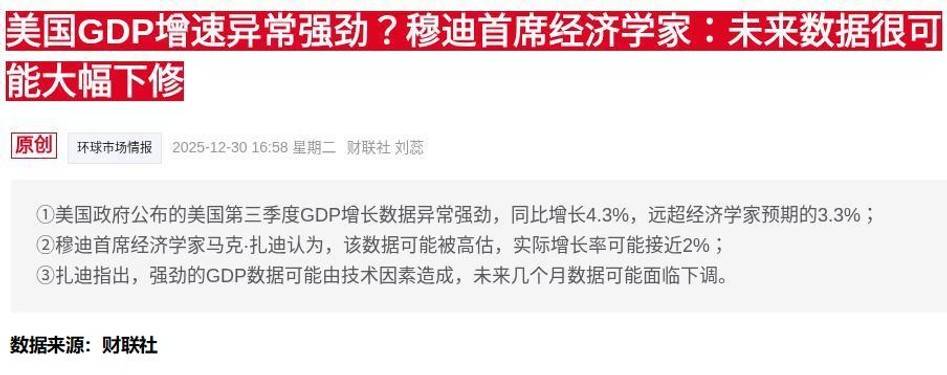
最近刷财经新闻,总能看到玻纤板块集体爆发的消息,不少个股直接封板,连带着被称为"电子工业之米"的 MLCC也因为AI和电动车需求涨价,行情看起来热闹非凡。身边有个老股民朋友,看到利好就急着加仓,结果刚 进去就遇到调整,气得直拍大腿。其实这种场景太常见了,散户习惯跟着消息跑,看到利好就追、利空就卖,却 从来没想过,消息从来不是涨跌的核心,背后的资金交易行为才是关键。今天就用量化大数据的视角,给大家拆 穿市场里的这些"障眼法",帮你跳出追涨杀跌的怪圈。 一、消息只是幌子,资金行为才是核心 很多人以为,利好出来股价就该涨,利空出来肯定跌,但实际市场里的逻辑完全反过来:有时候利好落地股价反 而跌,利空公布后股价却悄悄涨。这不是消息没用,而是消息只是机构用来实现自身利益的工具。比如有些利好 出来前,机构已经提前布局,等散户蜂拥而入时,他们正好借机兑现;而有些利空公布时,散户吓得纷纷卖出, 机构却在背后悄悄低吸。 但机构的交易意图不会写在脸上,他们会把自己的行为伪装起来,比如高位派发时故意拉抬股价,让散户误以为 还能涨。这时候普通投资者靠直觉根本看不穿,但量化大数据能精准跟踪每一笔交易行为,把这些伪装拆得明明 从图里能看 ...

融资盘持续加仓,这种打法机构常用
Sou Hu Cai Jing· 2026-02-05 07:47
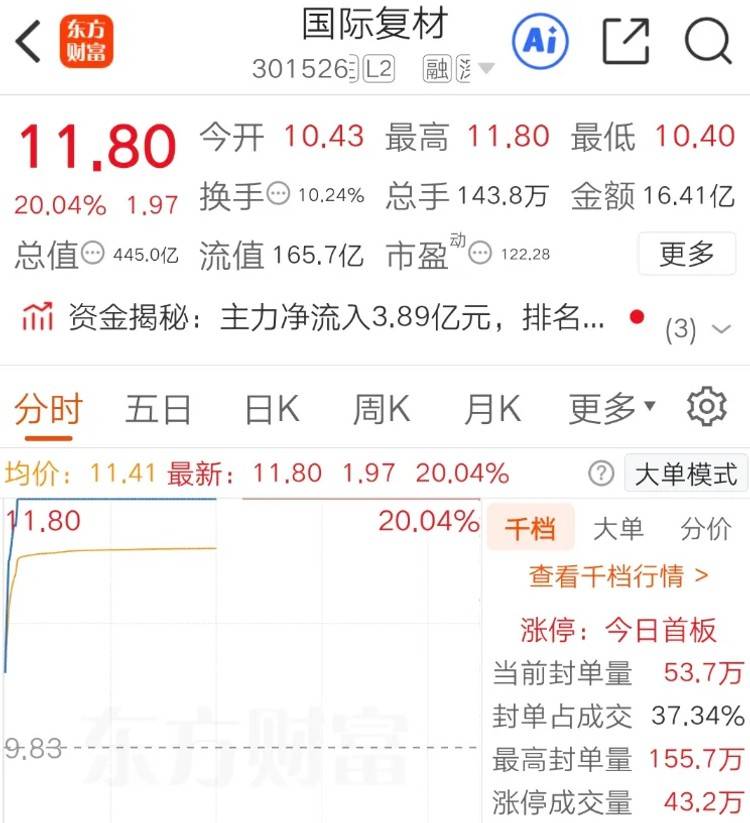
近期据统计,沪深两市已有81只个股,连续5日或更久获大资金持续关注,其中有个股已连续19个交易日获青睐,还有不少市场熟 知的公司在列。很多人看到这类消息,第一反应就是想着赶紧进场,却往往陷入要么踏空、要么被套的尴尬循环。其实问题的根源 不在消息本身,而在于大多数人只盯着表面的价格变化,完全没看懂背后真实的资金交易行为。量化大数据的核心价值,就是帮我 们跳出这种主观判断的误区,用客观数据还原市场的真实状态,接下来就用具体数据拆解给你看。 一、交易不止买卖,还有两种关键行为 多数人以为市场只有买和卖两种交易行为,但通过量化大数据长期跟踪,实际存在至少四种核心交易状态,其中「获利回吐」和 「空头回补」是最容易被忽略的关键信号,直接关联价格趋势的潜在转向。 看图1: 这张图里的「主导动能」数据,清晰标注四种状态:红柱「做多主导」,代表资金积极参与推升价格;黄柱「获利回吐」,代表前 期获利资金开始兑现;绿柱「做空主导」,代表资金参与意愿降温;蓝柱「空头回补」,代表前期观望资金重新进场。这两种容易 被忽略的行为,正是打破踏空、被套循环的核心。二、价格上行看回吐,避开阶段震荡 很多人在价格持续走高时,要么怕踏空急忙进场,要 ...
GPU企业扎堆上市,我发现股价的关键秘密
Sou Hu Cai Jing· 2026-01-01 14:29
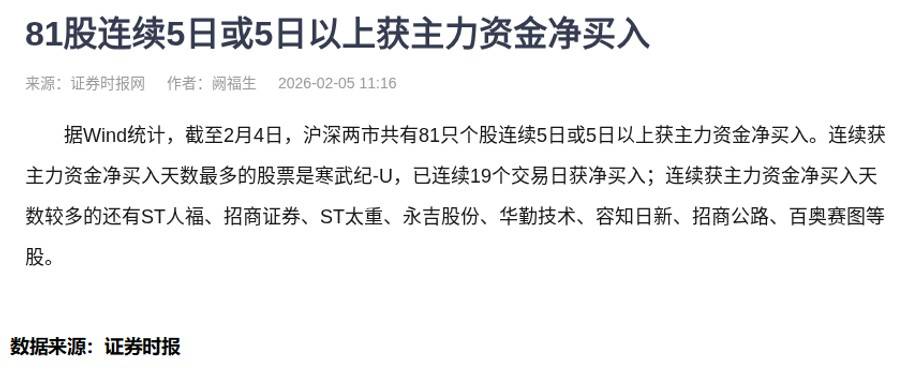
Group 1 - The recent surge in GPU industry news includes multiple companies preparing for IPOs, such as Hanbo Semiconductor and Tianzu Zhixin, indicating a potential boom in the sector [1] - Companies like Biran Technology experienced significant oversubscription, with over 1500 times for their IPO, suggesting strong investor interest [1] - Previous IPOs in the sector, such as Muxi Co. and Moer Thread, saw their stock prices increase by over 600% and 400% respectively on their debut, raising questions about the sustainability of such growth [1] Group 2 - The article emphasizes the importance of understanding market behavior rather than reacting to news headlines, as many investors mistakenly treat news as definitive buy or sell signals [2] - It highlights the concept of "profit-taking," where investors sell their shares to realize gains, which can lead to misleading price movements that do not reflect true market sentiment [2][3] - The author notes that superficial price increases may not indicate genuine demand if they are driven by profit-taking rather than new buying interest [3] Group 3 - The article discusses instances where negative news led to price increases due to "short covering," where investors who had bet against a stock buy back shares to limit losses, countering the initial negative sentiment [5] - This behavior illustrates that market reactions can be counterintuitive, as price declines may not always reflect a lack of interest but rather a strategic repositioning by investors [5] Group 4 - The focus shifts to analyzing trading behaviors, with a recommendation to observe whether funds are entering or exiting positions rather than solely relying on news [9] - The article concludes that understanding the underlying market dynamics and fund movements is crucial for making informed investment decisions, rather than depending on news as a sole indicator [9][10]
美国经济数据“爆表”,背后却藏着一个大问号?
Sou Hu Cai Jing· 2025-12-31 16:58
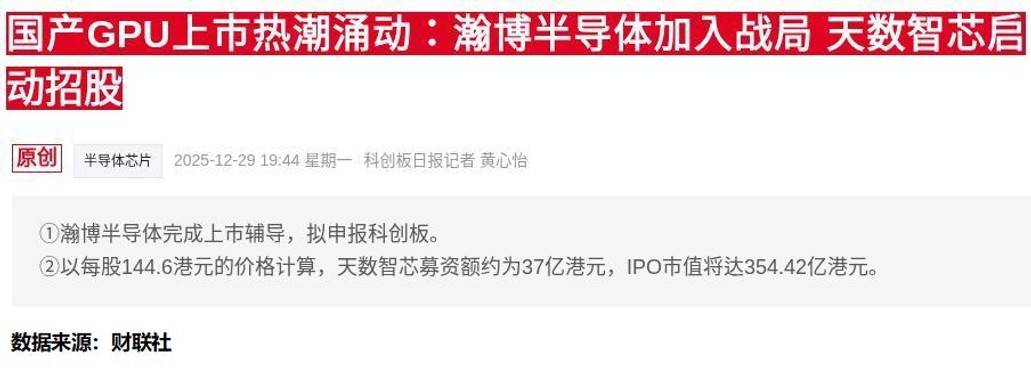
Group 1 - The core point of the article discusses the surprising 4.3% year-on-year growth in the US economy for Q3, which exceeded expectations of 3.3%, but some economists warn of potential downward revisions and possible recession risks [2] - The article emphasizes that the impact of economic data on the market is ultimately determined by the trading behaviors of large funds, rather than the data itself [2] - It highlights the importance of understanding the underlying motivations of institutional investors, as their participation can significantly influence market trends [2][3] Group 2 - The article warns against being misled by market fluctuations during a bull market, where stocks may experience significant volatility despite an overall upward trend [3][7] - It illustrates that even in a bull market, some stocks may weaken prematurely, indicating that not all investors will profit, and some may incur losses [3][13] - The analysis of institutional inventory data reveals that active participation from large funds is crucial for sustaining upward price movements; a lack of such participation can lead to rapid declines [10][13]